Answer Brief
The Answer, Briefly
A practical 10-day China itinerary for a first visit is Beijing, Xi’an and Shanghai: four nights, two nights and three nights respectively. Day 1 is your arrival in Beijing; Day 10 is your departure from Shanghai. That leaves three full Beijing days, one full Xi’an day and two full Shanghai days, with separate days for the Beijing–Xi’an train and Xi’an–Shanghai flight. One Shanghai day is deliberately free or available for a separately quoted activity.
This is AVIORA’s suggested three-city itinerary, not an official minimum-stay rule or the right route for every traveler. It fits visitors who prioritize the Forbidden City, Mutianyu Great Wall, Terracotta Army and Shanghai neighborhoods, accept public-site walking and prefer three hotel bases to adding another city.
Ten days is enough for three well-chosen cities. It is not enough for Beijing, Xi’an, Chengdu, Guilin, Zhangjiajie and Shanghai at a comfortable pace. The quality of a first trip depends as much on what you leave out as what you include.
Is This Route Right For You?
Choose Beijing, Xi’an and Shanghai if this is your first mainland China trip and you want a balanced introduction to imperial history, the Great Wall, the Terracotta Army and a modern international city.
Change the route if one of these statements is true:
- pandas and Sichuan food matter more than Shanghai;
- you strongly dislike changing hotels;
- young children or older parents need shorter sightseeing days;
- landscape and photography matter more than major historical sites; or
- your international flights already create a better regional route.
If you are unsure, ask for a ten-day route recommendation before buying non-refundable domestic transport.
The 10-Day Itinerary At A Glance
| Day | Main plan | Overnight | Important boundary |
|---|---|---|---|
| 1 | Arrive in Beijing; transfer and recover | Beijing, night 1 | Early room access and sightseeing are not assumed |
| 2 | Forbidden City and selected central Beijing context | Beijing, night 2 | Reservations and access conditions govern the date |
| 3 | Mutianyu Great Wall | Beijing, night 3 | Cable car access does not remove steps on the Wall |
| 4 | Temple of Heaven or Summer Palace | Beijing, night 4 | Choose one; workshops and extra visits are separate |
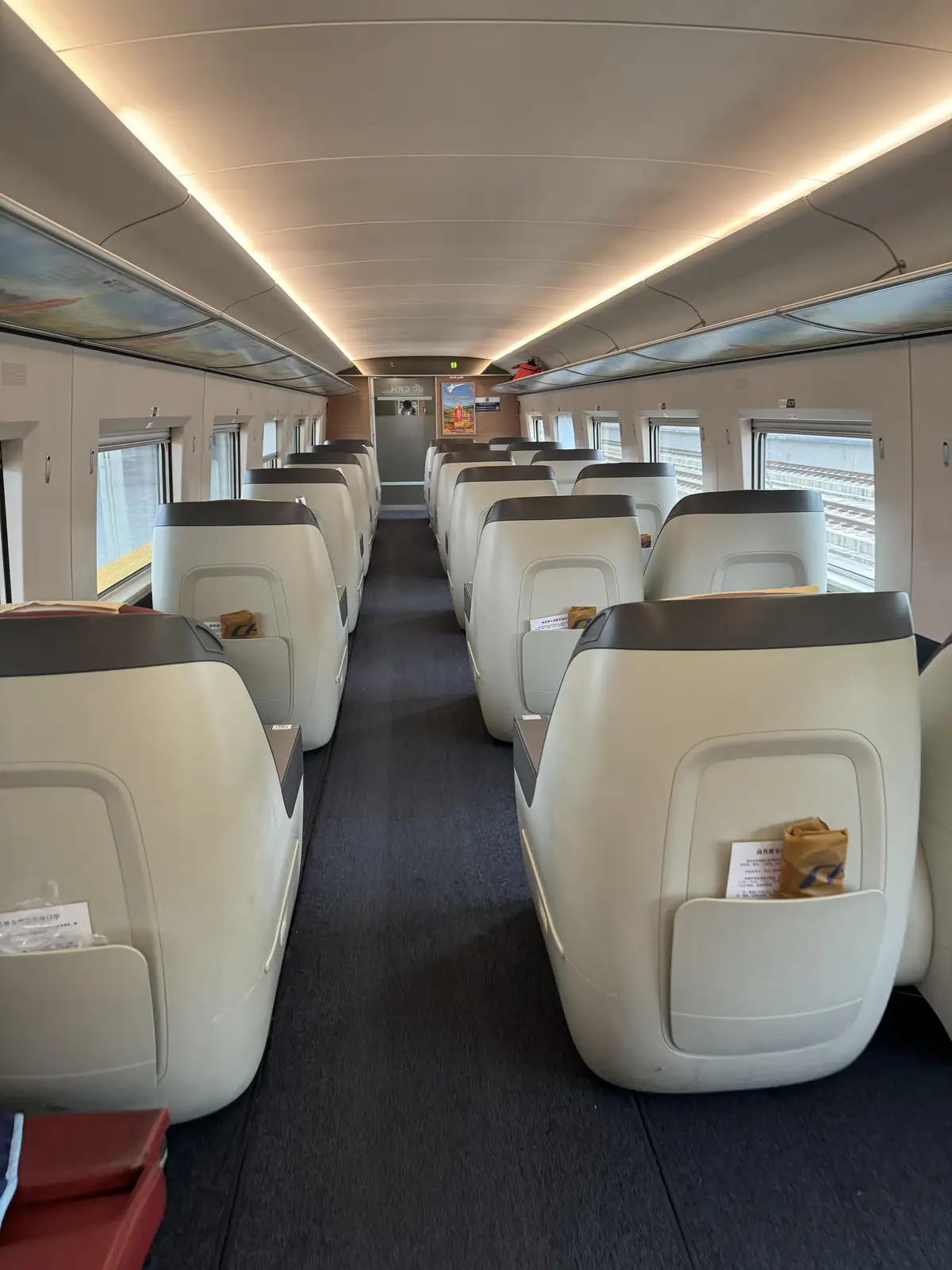
| 5 | High-speed train from Beijing to Xi’an | Xi’an, night 1 | Allow for the whole hotel-to-hotel transfer |
| 6 | Terracotta Army; lighter afternoon or rest | Xi’an, night 2 | City Wall admission and paid extras are not assumed |
| 7 | Fly from Xi’an to Shanghai | Shanghai, night 1 | Flight, fare and baggage require date-specific confirmation |
| 8 | Bund and selected former French Concession streets | Shanghai, night 2 | Observation decks, cruises and paid venues are separate |
| 9 | Free time or one separately quoted activity | Shanghai, night 3 | A private guide and vehicle are not included automatically |
| 10 | Transfer for departure from Shanghai | None | Departure sightseeing depends on the confirmed flight |
This sequence matches our Beijing, Xi’an and Shanghai 10-day private tour. Beijing sightseeing days may be reordered around reservations, opening conditions and weather. The table is a suggested itinerary, not a guarantee of tickets or exact transport departures.
Does Ten Days Include Flights From The US, UK Or Europe?
These ten days begin with arrival in Beijing and end with departure from Shanghai. They do not include time before arrival or after departure. For a long-haul trip, compare the local dates on each flight rather than counting nights aboard as hotel nights. A flight from North America can cross the date line; departures from the UK or Europe may also arrive the next calendar day. Check your confirmed flight itinerary when planning time off work.
Search flights as a multi-city itinerary—into Beijing and home from Shanghai—then compare it with a return ticket to one city including any domestic backtracking, extra hotel night and transfers. Multi-city tickets are not always cheaper. Confirm the exact Beijing and Shanghai airports before committing; an early arrival does not guarantee hotel check-in.
Day 1: Arrive In Beijing
Keep the first day light. International arrivals involve immigration, baggage, airport transfer and an unfamiliar city. A long sightseeing list on arrival day usually produces a poor first impression and little useful time.
Choose a Beijing hotel based on the route, not only the brand. Central access can reduce repeated transfer time to the Forbidden City, Temple of Heaven, hutong areas and dining. Confirm the room category, breakfast, bedding and whether an early check-in is actually included.
If energy allows, take a short neighborhood walk or an early dinner. Do not schedule a major timed attraction immediately after an international flight.
Day 2: Tiananmen Area And The Forbidden City
Use the first full day for the capital’s central imperial axis. The Forbidden City deserves preparation: passport-linked reservations, security access, substantial walking and a guide who can select a meaningful route through a very large palace complex.
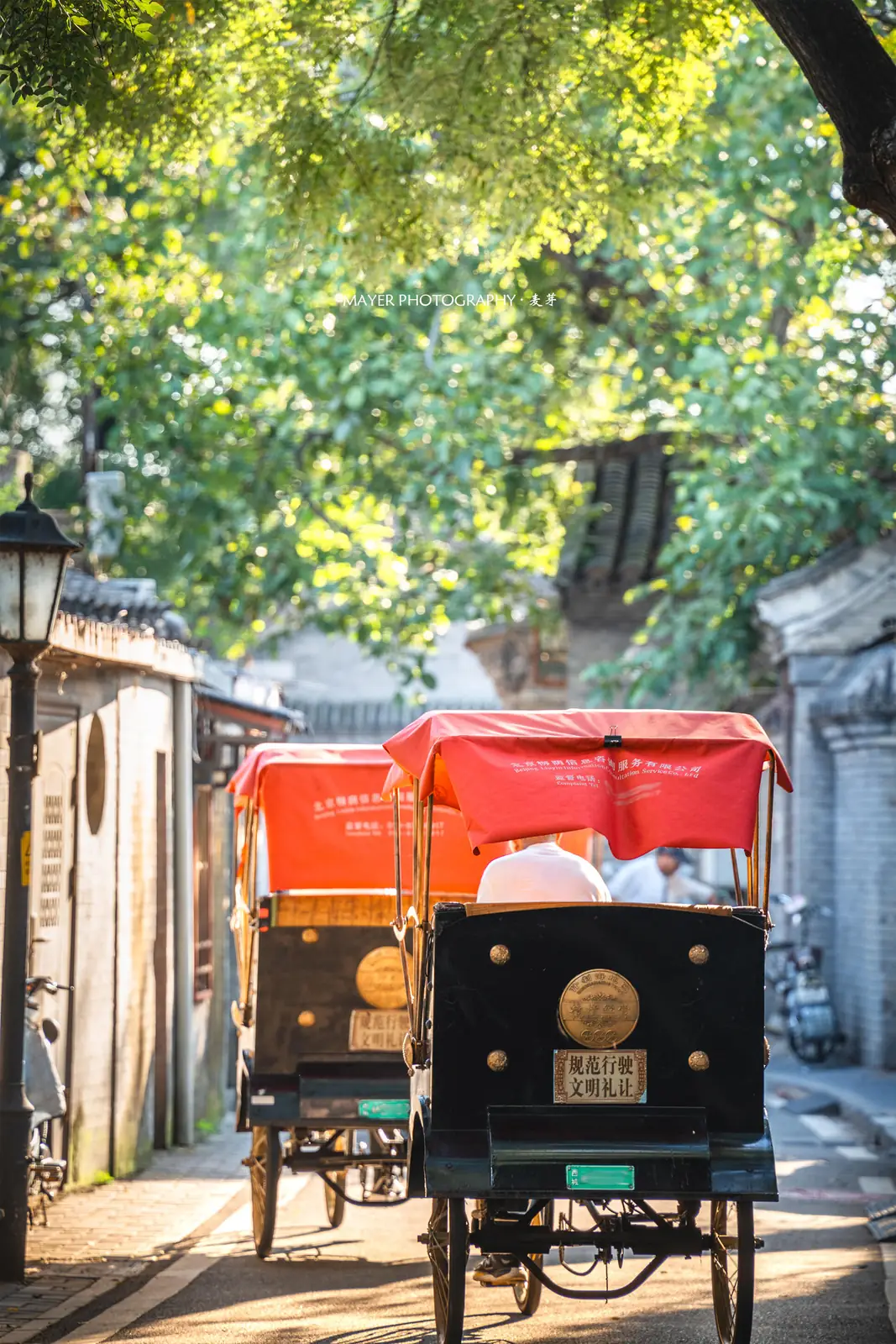
Avoid treating every courtyard as a box to tick. A strong private visit focuses on the political structure, ceremonial spaces, domestic life and architectural details that help the site make sense. Add Jingshan Park only if the party still has the energy for steps and the weather supports the view.
Read the Forbidden City ticket guide before fixing the day, especially if the visit could fall on a Monday or a high-demand date.
Day 3: Mutianyu Great Wall
Give Mutianyu its own day rather than combining it with the Forbidden City. The road journey, mountain transport, time on the ramparts and return to Beijing make a complete outing. Keep the evening flexible.
A round-trip enclosed cable car is the planned ascent option in our ten-day product, subject to operation and confirmation. It reduces the uphill approach but does not make the Wall step-free: uneven paving, steep sections and steps remain. Chairlift and toboggan arrangements are different products with their own operating and safety conditions; do not assume they are interchangeable tickets.
Read the Great Wall walking and stairs guide if balance, heights or mobility matter. For an independently planned visit, compare Mutianyu, Badaling and Jinshanling. Changing the section changes the day’s drive, terrain and arrangements.
Day 4: Temple Of Heaven Or Summer Palace
Choose one main visit. The Temple of Heaven suits travelers interested in ceremonial architecture and park life. The Summer Palace suits those who want an imperial garden and lake landscape. Neither option guarantees a short or step-free visit; the selected route, entrances, weather and walking tolerance matter.
The ten-day itinerary does not promise both visits, a cooking class and a hutong workshop in the same day. Keep lunch and the afternoon flexible. Additional tickets, cultural sessions and service hours should appear as separate items in the proposal rather than becoming implied inclusions.
Day 5: High-Speed Train To Xi’an
Travel from Beijing to Xi’an by high-speed rail. Compare the actual stations and hotel locations; a high-speed station is not necessarily in the historic centre. The day includes hotel checkout, station transfer, security, passport verification, boarding, arrival and another transfer.
Keep the Terracotta Army for Day 6. After check-in, an independent short walk or dinner can remain an option if energy allows. City Wall admission and a guided evening visit are not included automatically.
Carry the original passport used for booking and confirm the exact Beijing departure station. The passport-to-platform rail guide explains tickets, station timing, seat classes and baggage.
Day 6: Terracotta Army And Xi’an
Use one full, well-guided day for the Terracotta Army. The museum’s scale becomes more meaningful when a guide explains the pits, construction, individual figures and the wider Qin imperial project instead of only identifying photo positions.
Reserve with the correct passport and allow for the transfer from central Xi’an. The visit involves walking and standing, so plan lunch and the afternoon around the party rather than automatically adding several more monuments.
If energy remains, return to the city for the Muslim Quarter area, Great Mosque surroundings or another food and history focus. Treat halal dining and prayer needs as specific planning requirements to be checked, not as a blanket guarantee.
See the Terracotta Army ticket guide for reservation and visit details.
Day 7: Fly From Xi’an To Shanghai
The proposed ten-day product uses a domestic flight for this sector. Allow time for the full journey: hotel checkout, airport transfer, check-in, security, flight, baggage collection, the Shanghai meeting point and the next hotel. A short scheduled flight is not a short hotel-to-hotel transfer.
Rail is a possible redesign if you prefer it, but needs a new timing and cost comparison. It is a change to the planned itinerary. Confirm the checked and cabin baggage allowances for your booked fare before packing; those conditions can differ from your international ticket. See the multi-city luggage guide for planning questions.
After arrival, keep dinner or an independent riverside walk optional. The standard itinerary does not promise a guided arrival-evening tour or Huangpu River cruise.
Day 8: Historic And Modern Shanghai
Use a coherent Bund and former French Concession neighborhood route to understand Shanghai’s contrasts. The Bund explains the city’s international commercial history; selected former concession-era streets add architecture and everyday context. Pudong can be viewed across the river, but an observation deck, paid museum or cruise is not automatically included.
A guide adds value by selecting a coherent sequence rather than moving randomly between famous names. Families may want shorter architecture blocks and a more interactive food stop. Couples may prefer a slower neighborhood walk and an evening view. Avoid building the entire day around shopping unless that is a stated interest.
Day 9: Free Time Or One Separately Quoted Shanghai Activity
The standard ten-day itinerary leaves this day free: no private guide or vehicle is included automatically. Explore independently, rest, or ask for one activity to be quoted with its actual tickets, transport and service hours. Options to discuss include:
- contemporary art, architecture or design;
- local food and market context;
- a slower neighborhood and café day;
- a museum selected around a real interest;
- a carefully planned nearby water-town visit; or
- free time with a confirmed evening reservation.
A water town should not be added automatically. Transfer time and crowd conditions can consume the day, and many first-time visitors gain more from understanding Shanghai itself.
Day 10: Depart Shanghai
Protect the departure. Shanghai has two principal airports, and the transfer time depends on the hotel, traffic and terminal. Confirm whether the flight leaves from Pudong or Hongqiao and do not rely on the word “Shanghai” alone.
No sightseeing before the flight is guaranteed. International airfare is separate from the local itinerary.
The Pudong or Hongqiao airport guide explains which airport fits international flights, domestic connections and high-speed rail plans.
Should You Add Chengdu?
Add Chengdu when pandas, Sichuan food and local life are more important than keeping the route to three cities—and when you can extend the trip to roughly eleven or twelve days. Trying to insert Chengdu into the ten-day structure usually removes the breathing room that makes the first route work.
AVIORA’s 12-day Shanghai, Chengdu, Xi’an and Beijing tour shows how the additional city can be connected more responsibly.
When To Change This Itinerary
This classic route is not correct for everyone.
Choose Beijing and Xi’an only if history matters more than variety. Choose Beijing and Shanghai if the trip is shorter or the travelers dislike frequent hotel changes. Replace Shanghai with Chengdu if pandas and food are the central interests. Slow the whole route if older parents, young children or mobility concerns make repeated full sightseeing days unrealistic.
The route should follow the people, not the other way around.
A Simple Pacing Scorecard
Use this test before accepting an itinerary. A well-paced ten-day route should include:
- no major timed attraction on the international arrival day;
- a separate day for the Great Wall;
- no more than three hotel bases;
- no major paid sightseeing dependent on spare time after a transfer;
- at least one lighter half-day after a physically demanding visit; and
- enough margin before the international departure.
Treat a failed check as a reason to review the actual day, not as a validated scoring system. Removing an attraction or a city may help more than upgrading a hotel.
Common 10-Day China Itinerary Mistakes
Counting Travel Days As Full Sightseeing Days
Hotel checkout, station or airport transfer, security, boarding, arrival and check-in consume real time. Write those steps into the itinerary.
Adding Too Many Cities
Four or five cities may look impressive in a list but create repeated packing, transfers and guide handovers. Three cities are enough for a first ten-day trip.
Using The Same Daily Pace
The Great Wall, Forbidden City and Terracotta Army all involve physical load. Alternate demanding days with lighter urban or transfer periods.
Booking Hotels Before Fixing The Route
A recognizable hotel name can still be inconvenient for the actual sightseeing sequence. Location and room setup should be evaluated together.
Leaving Tickets Until Arrival
Passport-linked and capacity-controlled attractions should be handled in advance, with alternatives understood for high-demand dates.
What AVIORA Would Tailor First
For families, we would reduce museum density, protect meals and confirm room setup. For older travelers, we would review walking surfaces, vehicle access and rest windows. For couples, we might trade one formal attraction for food, design or neighborhood time. For photographers, we would rebuild selected days around light and crowd patterns.
The city names can stay the same while the trip becomes completely different. Share your travelers and priorities to receive a route direction built around them.
What Should A Private-Tour Quote Include?
Use this guide to plan your trip; your written proposal confirms the services being offered. Our ten-day itinerary includes nine hotel nights, hotel breakfasts on Days 2–10, local private guides on the listed sightseeing days, road transfers, Beijing–Xi’an rail, a Xi’an–Shanghai flight and the listed standard admissions. The written proposal must name hotels, room categories, bed setup, transport class, guide and driver hours and the actual tickets.
Lunches and dinners, international flights, visa costs, insurance, station porters, a guide accompanying you throughout China, paid workshops and Day 9 touring are not assumed. Private guiding and road transport do not make museums, trains, flights or cable cars exclusive to your party. Compare the private-tour inclusions guide before comparing headline prices.
Whether you are traveling as a couple or a family, ask for a total based on your group and room requirements. Confirm the currency, per-party versus per-person basis, single-room supplements, children’s bed arrangements and ticket charges, deposit and cancellation terms. We quote this tour individually for your dates, group and rooms. See the quotation guide for the questions that make two proposals comparable.
Official Sources For The Rules That Can Change
The number of nights and sightseeing pace reflect our own itinerary planning. For ticketing and travel rules, consult the institution responsible: the Palace Museum, Mutianyu Great Wall, Emperor Qinshihuang’s Mausoleum Site Museum and China Railway 12306. Use these official websites to check the latest visitor notices for your travel dates.
A ten-day itinerary does not establish visa-free or transit eligibility. Check passport, route, entry and exit points, onward travel and permitted areas with the National Immigration Administration and the appropriate consular authority. Do not assume a policy applies to every US, UK or European passport holder. UNESCO’s heritage descriptions explain historical significance; they do not establish ticket availability or endorse this tour.
Plan The Route Around Your Travelers
Send your dates, adult numbers and child ages, preferred language, rooms and bed setup, walking and dietary needs, arrival and departure airports, luggage and any fixed commitments. Include your choice for Beijing Day 4 and whether Shanghai Day 9 should remain free. Initial planning does not require passport numbers.
Compare the full ten-day private-tour itinerary and inclusions, or request a route and written quote. A request does not reserve guide, hotel or ticket inventory.