Answer Brief
The Answer, Briefly
Ten days is enough for a focused first trip to Beijing, Xi'an and Shanghai; twelve days is the better choice when you want more recovery and a second full day in Xi'an. AVIORA's ten-day route uses four Beijing nights, two Xi'an nights and three Shanghai nights. Our twelve-day route uses five, three and three nights respectively. Both involve two hotel changes. Eight days can cover the main landmarks, but leaves about four complete sightseeing days once arrival, departure and two intercity travel days are allowed for. These are itinerary-planning judgments, not official minimum-stay requirements.
The extra days let you spread out the major visits, take breaks and explore beyond the headline sights.
| Trip length | Nights | Approximate fully usable sightseeing days | What the route can feel like | Main trade-off |
|---|---|---|---|---|
| 8 days | 7 | About 4 | Beijing highlights, one focused Xi'an day and one Shanghai day | Transfers and major visits sit close together |
| 10 days | 9 | About 6 | A viable classic route with one clear choice about where the extra time goes | Xi'an or Shanghai usually receives less freedom |
| 12 days | 11 | About 8 | Four Beijing days, two Xi'an days and two Shanghai days, with transitions protected | Requires more holiday time and a larger budget |
| 14 days | 13 | About 9-10 | More depth in the three cities or a carefully chosen extension | A fourth base can reintroduce the pressure you added time to remove |
These are AVIORA planning estimates, not a universal rule. They assume arrival in Beijing, departure from Shanghai, two hotel changes and no attempt to count a rail or flight transition as a complete sightseeing day. A useful morning or evening may still be possible when the actual schedule allows. It is treated as a bonus, not borrowed in advance.
If twelve days already sounds closer to the trip you want, see the complete 12-day itinerary at an easier pace. The comparison below explains why the time is placed where it is before the day-by-day plan takes over.
How We Compared The Itineraries
This comparison comes from AVIORA's China-based private-tour planning and on-the-ground operating experience. We count the full sequence of each journey: arrival formalities, baggage, hotel check-in, checkout, station or airport access, security, waiting, the transport segment, the next meeting point and the next hotel. Only then do we ask what a day can responsibly hold.
The method uses four parts of the existing AVIORA Journey Rhythm:
- Usable time: a complete period in which the experience, rather than transport, sets the day.
- Transit load: luggage, vehicle access, security, stations, airports, waiting and handovers.
- Effort concentration: whether the Great Wall, Forbidden City and Terracotta Army are separated or stacked.
- Recovery and choice: whether a traveler can shorten, replace or leave something open without breaking the rest of the route.
These estimates help you compare itineraries; they do not guarantee train times, queue lengths or walking distances. Timetables, attraction rules, weather, hotel location and the international flights must be confirmed for the travel date. The purpose is to stop a advertised trip length from hiding the days that already have a job.
The Four Days A Advertised Trip Length Does Not Explain
Every version needs to allow for arrival, departure and two intercity journeys before sightseeing is added.
Arrival In Beijing
Immigration, baggage, the airport meeting point, the drive and hotel check-in are already a journey after a long-haul flight. A short walk or dinner can remain an option. A timed palace, evening show or cross-city introduction should not be required for the day to feel successful.
Beijing To Xi'an
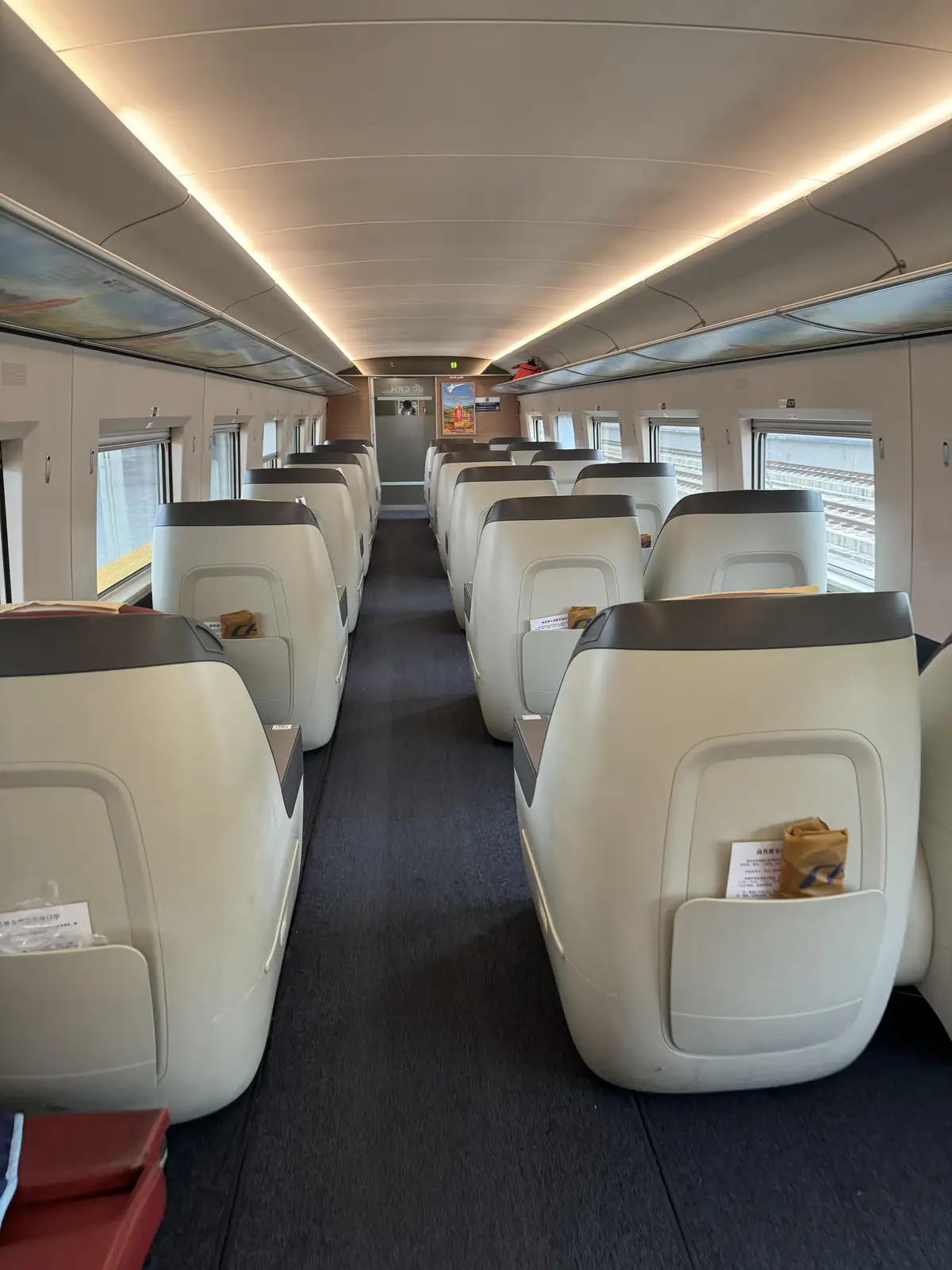
The time printed on a high-speed rail ticket is only the middle of the transfer. The actual sequence begins at the Beijing hotel and ends in the Xi'an room. First class can make the train journey more comfortable, but luggage still needs to be moved through security, along the platforms and to the next vehicle. Our China high-speed train guide explains that passport-to-platform process in detail.
Xi'an To Shanghai
Rail and air can both make sense. Rail keeps the journey continuous but occupies much of the day. Flying has a shorter scheduled segment but introduces airport transfers, earlier processing, baggage procedures and disruption risk. AVIORA compares the hotel-to-hotel result for the date rather than choosing from the published journey time alone.
Departure From Shanghai
The final day belongs first to the international flight. Airport, terminal, traffic and check-in margin determine whether anything else is sensible. A late departure can create useful time, but it should not be sold as a guaranteed final sightseeing day before those conditions are known.
_The rail journey is only one part of the hotel-to-hotel transition between cities._
What An 8-Day Beijing, Xi'an And Shanghai Itinerary Really Asks Of You
An eight-day route is possible. It is also much more specific than the phrase "eight days in China" suggests. One honest version looks like this:
- Arrive in Beijing.
- Choose a focused central Beijing day.
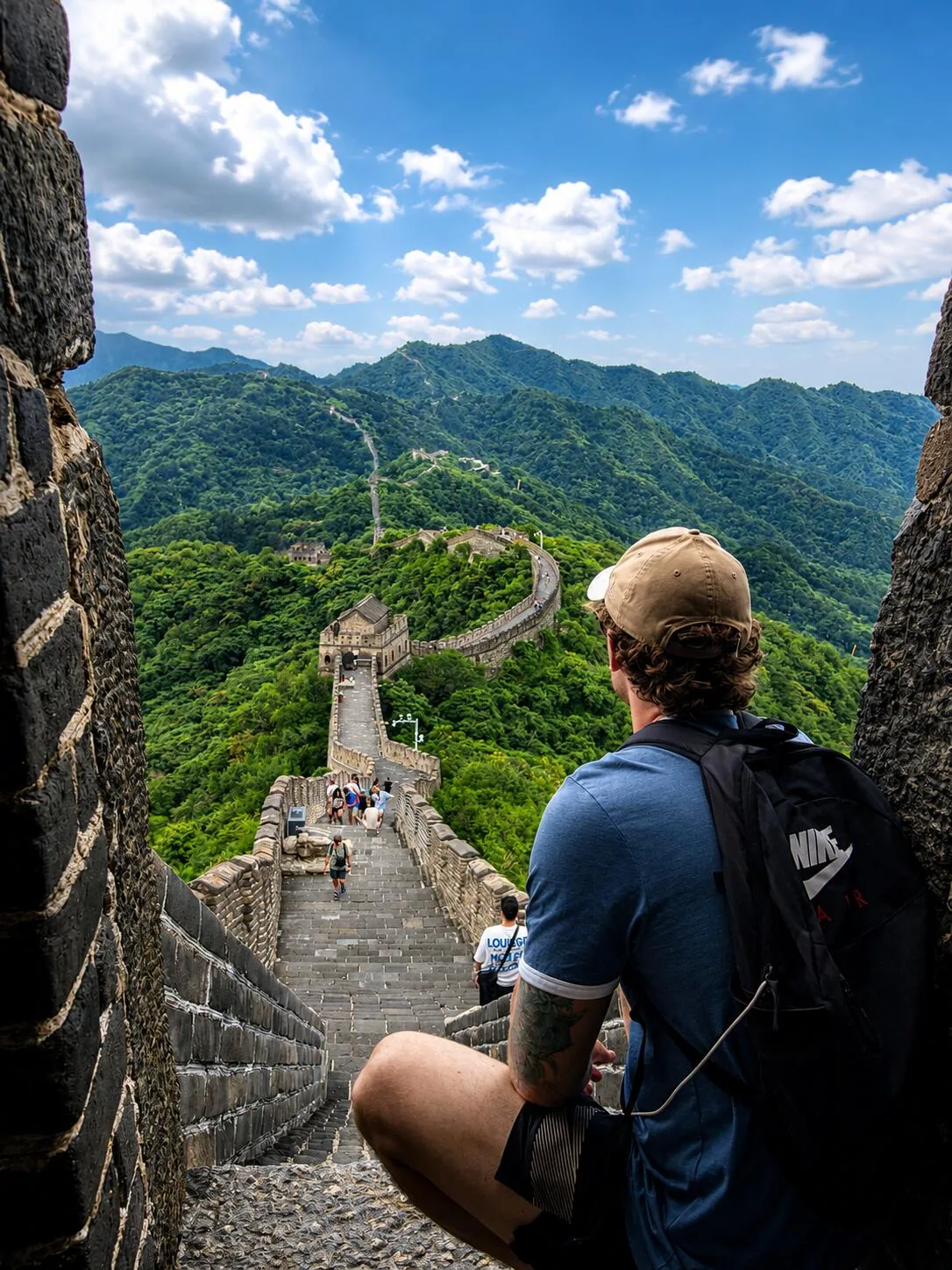
- Visit the Great Wall.
- Travel to Xi'an.
- Visit the Terracotta Army and selected city context.
- Travel to Shanghai.
- See the Bund and one coherent part of Shanghai.
- Depart.
That leaves four complete sightseeing days: two in Beijing, one in Xi'an and one in Shanghai. It can suit travelers with a firm holiday limit who value the defining landmarks over unstructured time and are comfortable making decisions before they arrive.
The compromise is not simply a faster walking speed. Beijing has to absorb the Temple of Heaven, Forbidden City, local life and any special interest around two full days. Xi'an may leave little time beyond the Terracotta Army, while Shanghai becomes a brief introduction rather than a chance to explore your own interests.
Coordinated transfers and a knowledgeable guide can help you use your time well, but they cannot create another full day. If an eight-day proposal appears to contain considerably more, look for the cost: an early start after arrival, sightseeing after a transfer, two substantial sites joined without recovery, or a departure day treated as fixed free time.
When 10 Days Is Enough
Ten days is a practical middle ground. After arrival, departure and two intercity journeys, about six complete sightseeing days remain. That is enough for a coherent first trip, but the extra two days still need a purpose.
They could give Beijing three complete days, Xi'an two and Shanghai one. They could give Beijing three, Xi'an one and Shanghai two. A very favorable flight or train might preserve a partial period elsewhere, but the basic decision remains: which city should carry less depth?
For many travelers, ten days works when:
- the Great Wall and Forbidden City are both essential, but a Beijing choice day is not;
- one focused Terracotta Army day is enough for Xi'an;
- a guided Shanghai introduction and a free day are enough for your interests;
- hotel changes and substantial visits on neighboring days are acceptable;
- the group is comfortable deciding most priorities before the trip.
Ten days stops working well when every famous attraction is described as essential, when the travelers want several private cultural encounters, or when a demanding morning reliably needs an open afternoon. In those cases, allow more time or reduce the number of planned visits.
Beijing, Xi'an And Shanghai: 10 Days Vs 12 Days
The following compares AVIORA's two published private-tour itineraries, not every itinerary sold for these durations. Adding two days gives this route an extra Beijing night and an extra Xi'an night; it does not add another city or remove the walking at historic sites.
| Decision | 10-day private route | 12-day Easier Pace route |
|---|---|---|
| Total accommodation | 9 nights | 11 nights |
| Beijing / Xi'an / Shanghai nights | 4 / 2 / 3 | 5 / 3 / 3 |
| Hotel changes | 2 | 2 |
| Arrival and departure | Arrive Beijing; depart Shanghai | Arrive Beijing; depart Shanghai |
| Complete days between arrival and onward travel in Beijing | 3 | 4 |
| Complete days between travel days in Xi'an | 1 | 2 |
| Complete days before departure in Shanghai | 2; Day 9 is free or a separately quoted activity | 2; Day 11 is independent; guided additions cost extra |
| Key compromise | One focused Xi'an visit; Beijing Day 4 chooses Temple of Heaven or Summer Palace | More room for a Beijing choice or recovery day and a second Xi'an day |
| Mobility implication | Steps, standing and public-site walking remain | More time to distribute effort; no step-free guarantee |
| Price comparison | Quote for the actual party, rooms and dates | Quote for the actual party, rooms and dates; compare the same inclusions |
A complete day in a city is not automatically an included private-guiding day. For example, the ten-day tour's Shanghai Day 9 and the twelve-day tour's Beijing Day 5 and Shanghai Day 11 have no scheduled private guide or vehicle; additions require a separate quote. Read the written service schedule rather than assuming every non-travel day includes a guide and driver.
Compare the 10-day Beijing, Xi'an and Shanghai private tour with the 12-day China at an Easier Pace private tour. The ten-day product currently plans high-speed rail from Beijing to Xi'an and a flight from Xi'an to Shanghai. Transport, ticket availability and exact services must be reconfirmed for the travel dates; they are not guaranteed by this comparison.
Which Should You Choose For A First Trip?
Choose ten days if one full Terracotta Army day meets your Xi'an priorities and you accept choosing between Beijing's Temple of Heaven and Summer Palace. Choose twelve if the party needs more recovery opportunities or wants another complete Xi'an day. If the international flight dates are fixed, compare the nine or eleven actual hotel nights before comparing the tour titles. Neither duration automatically establishes visa or transit-without-visa eligibility.
Official Rules Versus Our Itinerary Judgment
The night allocations, estimates of full sightseeing days and ten-versus-twelve recommendation above are AVIORA's own itinerary recommendations. They are not recommendations issued by UNESCO, a museum or China Railway.
For independent rule checks, use China Railway 12306 passenger information, the Palace Museum, Mutianyu Great Wall visitor information and Emperor Qinshihuang's Mausoleum Site Museum.Check entry policy with the National Immigration Administration. Each institution publishes information within its own remit. Check the relevant notices and eligibility requirements for your travel dates.They do not validate our package inclusions or guarantee reservations.
What Changes When You Have 12 Days
The 12-day version uses the extra time to improve sequence rather than inflate the attraction count. In AVIORA's China at an Easier Pace itinerary, you spend five nights in Beijing, three in Xi'an and three in Shanghai, followed by departure on day 12.
That produces approximately:
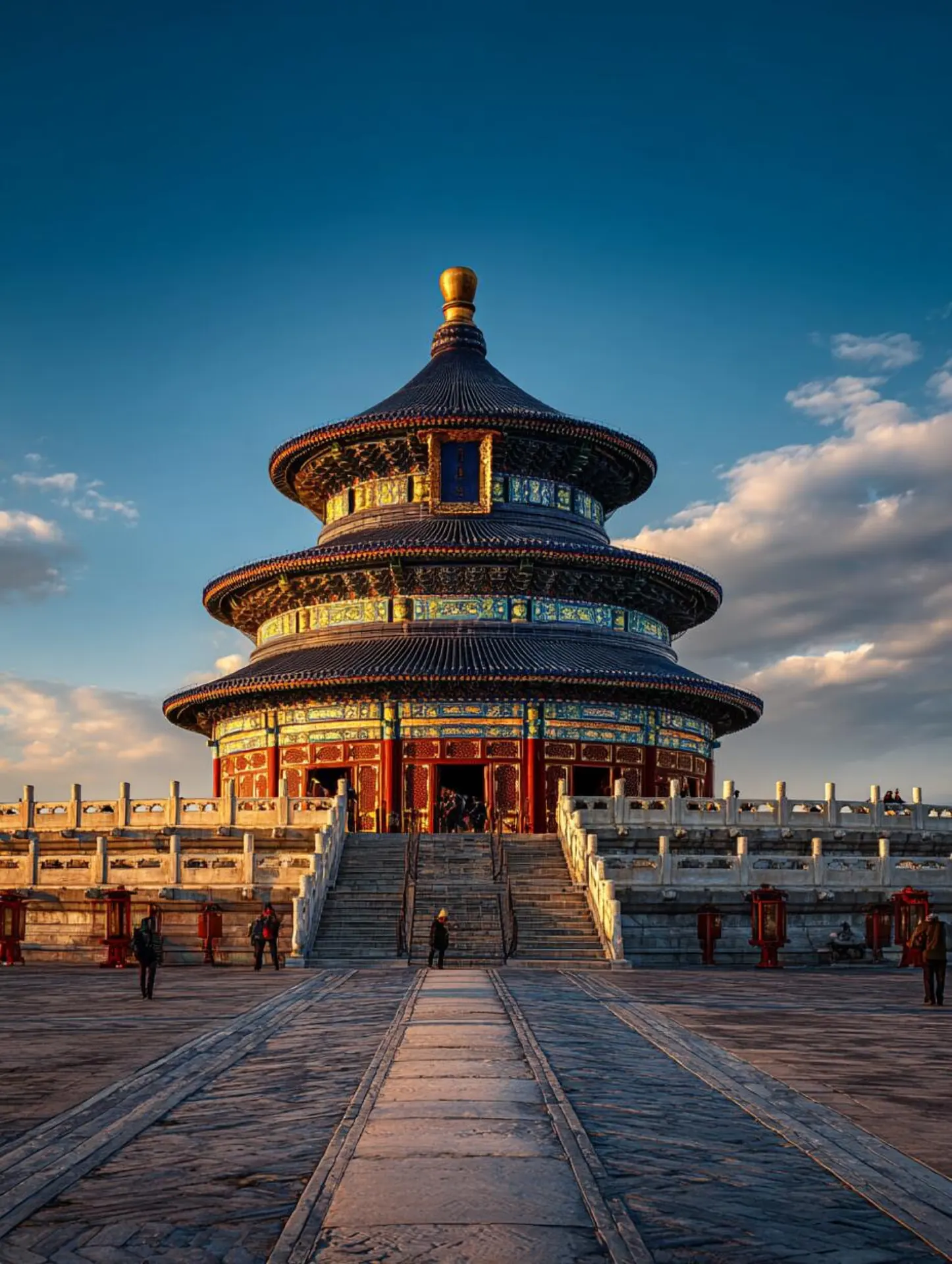
- Four complete Beijing days: Temple of Heaven and orientation; a selected Forbidden City route; Mutianyu Great Wall; and a genuine choice or recovery day.
- Two complete Xi'an days: the Terracotta Army as the main objective of one day, plus a second day for the City Wall, Silk Road context, food, craft or rest.
- Two complete Shanghai days: the Bund with one neighborhood, followed by a final day chosen around architecture, food, a museum, a private experience or recovery.
Arrival and intercity travel days are set aside for getting settled. Major visits do not depend on having energy left after a train journey, flight or hotel change.
The Great Wall Gets A Weather Decision
With five nights in Beijing, the Wall does not have to compete with the Forbidden City and there is room to protect a choice day. Weather still cannot be controlled, and lift operations must be reconfirmed, but the itinerary has somewhere to move rather than nowhere to turn.
Xi'an Becomes A City, Not A Stop
The Terracotta Army deserves the alert part of a day. The road journey, security, museum movement and time spent standing are part of its real load. A second Xi'an day lets the travelers choose what should sit beside that history instead of squeezing another ticket into the late afternoon.
Shanghai Can Be Decided Later
Shanghai is deliberately last because it is easier to edit. A museum can replace outdoor heat or rain. One neighborhood can expand when a conversation, shop or lunch proves more interesting than expected. A hotel break can protect an evening view. The final full day does not need to be empty; it needs to remain useful even when the best decision changes.
_A second Xi'an day allows the archaeology to stand on its own instead of turning the city into a hurried transfer point._
The corresponding China, Considered private journey puts this approach into a proposal for your travel dates with selected five-star hotels, local guides and drivers on the listed sightseeing days, first-class Beijing–Xi'an rail, an economy flight to Shanghai and hotel breakfasts.Days 5 and 11 are independent free days; additional guiding, meals and cultural experiences are quoted separately. The final route is reviewed around the people traveling before confirmation.
The Best Way To Divide 12 Days Between The Three Cities
Beijing: Five Nights
Beijing receives the most time because it carries the international arrival, the widest historic sites and the most weather-sensitive day. The Forbidden City and Great Wall should not be collapsed into one objective. The Temple of Heaven offers a gentler way to begin, while the fourth complete day can become the Summer Palace, a hutong encounter, a specialist interest or complete recovery.
Five nights do not mean five heavy Beijing days. They mean the city no longer has to borrow from arrival, combine its two largest commitments or assume perfect Great Wall weather.
Xi'an: Three Nights
Xi'an needs more than the time printed beside the Terracotta Army. The first night follows the Beijing transfer. One full day belongs to the archaeological story. The other lets the City Wall, Muslim heritage, food, a seated craft encounter or rest become a choice rather than an afterthought.
Three nights also prevent the Xi'an-to-Shanghai transition from beginning immediately after the most sustained museum day of the route.
Shanghai: Three Nights
Shanghai receives the arrival night from Xi'an and two complete days. That is enough to understand the Bund in relation to one neighborhood, then choose how to spend the final day based on the interests and energy of your group.
Adding a water town is not automatic. Bridges, uneven surfaces, road time and crowd conditions may make an architecture walk, museum, food experience or unhurried city day the better ending.
_Two complete Shanghai days leave room for one coherent city story and a final choice shaped during the journey._
What Twelve Days Buys, And What It Does Not
The extra days give you more flexibility:
- a major heritage visit can remain the day's one important effort;
- a transition does not need to masquerade as a sightseeing day;
- a weather-sensitive plan has somewhere to move;
- the guide can respond to attention and energy without deleting tomorrow;
- a cultural encounter or meal can run long without becoming a scheduling failure;
- travelers can choose the lower-load option without feeling they have broken the trip.
They do not buy certainty. Vehicles cannot enter every pedestrian or heritage area. A cable car does not remove every Great Wall step. First-class rail does not eliminate the station. Attraction capacity, temporary controls, weather and transport disruption remain real. AVIORA's responsibility is to describe those limits, confirm the date-sensitive plan and prepare useful alternatives before payment, not hide uncertainty behind the word "private."
This is also why the question is not about age. One traveler may be able to walk all day and still prefer depth to speed. Another may want a substantial Great Wall route followed by complete recovery.A family traveling with parents may need different rooms and transfers without wanting a reduced cultural experience. Read our site-by-site China tour walking guide if distance, stairs or standing will influence the choice between ten and twelve days.
Should You Add A Fourth City?
Chengdu, Guilin, Zhangjiajie and the lower Yangtze can each justify a journey. They do not become free because the trip has twelve days.
A fourth base normally means another checkout, luggage sequence, intercity sector, local handover and arrival. To keep the same length, something has to give: Beijing loses its weather or recovery day, Xi'an becomes more compressed, or Shanghai loses its final choice. The resulting itinerary may contain more famous names while offering fewer complete experiences.
Add a fourth city when it answers a strong personal reason: pandas are central to the trip, a landscape matters more than a city, or the international flights make a different route efficient. Otherwise keep Beijing, Xi'an and Shanghai and let the spare capacity improve the journey already chosen.
Choose Eight, Ten Or Twelve Days
Choose eight days when the holiday limit is fixed, the defining sights matter more than free time and the party accepts a pre-committed rhythm.
Choose ten days when you want a credible classic route, can decide which city receives less depth and do not need several recovery or choice periods.
Choose twelve days when the Forbidden City, Great Wall and Terracotta Army should be separated; when transfers should end at the hotel rather than at another attraction; or when cultural depth, comfortable hotels and the freedom to change the day are part of what you are buying.
Choose fourteen days or more when a fourth destination is genuinely important, or when the three-city route should include several specialist interests without borrowing from recovery.
The right answer is not the longest duration available. It is the shortest version that preserves what matters to the people traveling.If you are choosing between ten and twelve days, use the route-length review.Tell us your flights or available dates, and an Aviora China specialist will show where the real trade-off sits before preparing a proposal.