Answer Brief
The Answer, Briefly
Plan luggage on a multi-city China trip around the hardest handover, not the largest airline allowance. Check the actual railway and flight conditions, then test whether your party can move every piece through security, boarding and the next arrival. Describe cases, strollers and equipment before the vehicle is selected. A private transfer does not automatically include porters or a guide carrying luggage through a station. Keep passports, essential medication and immediate needs with you throughout the journey.
The first-trip planning hub helps connect packing with route design. This guide focuses on how bags move: the rules, the physical tasks and the written arrangements that prevent a workable itinerary from becoming an exhausting transfer.
Key Takeaways
- Check the strictest applicable baggage condition across the actual train and flight bookings.
- Send the operator bag dimensions and equipment details, not simply a passenger count.
- Confirm assistance task by task; first-class rail does not automatically include porters or reserved luggage storage.
- Keep documents, medication and a short-delay kit separate from checked or forwarded bags.
Make An Inventory Before Choosing The Vehicle
List each main case with its approximate outside dimensions and packed weight. Add day bags, a stroller, mobility equipment and any unusually shaped item. Count what will exist at the end of the trip, including likely purchases. “Four people with normal luggage” leaves too much room for different interpretations between the adviser and the vehicle dispatcher.
Record who can move each item. A case that one adult can roll on level ground may still be difficult to lift onto a security belt or maneuver while supervising children. Do a realistic test at home without risking injury. If lifting, standing or balance is difficult, disclose that as an assistance requirement rather than hoping a smaller case solves the entire problem.
Ask the operator to check passenger seating and usable luggage capacity together. A vehicle with enough seats may not comfortably hold four large cases and a folded stroller. Request an appropriate vehicle configuration rather than assuming a premium label describes the boot space. Equipment dimensions and folding instructions are more useful than a general statement that you need a large car.
Compare The Whole Baggage Chain
| Journey stage | What governs the arrangement | Detail to confirm | Common planning gap |
|---|---|---|---|
| Hotel to vehicle | Hotel service and booked road transfer | Bag count, pickup and any lifting help | Assuming every hotel provides immediate bell assistance |
| High-speed train | Railway baggage and safety rules | Item dimensions, weight and manageable boarding | Assuming an airline-sized case automatically meets rail rules |
| Domestic flight | Operating carrier, route and fare | Cabin and checked allowance, restrictions and fees | Applying the international flight allowance to a separate ticket |
| Arrival to next hotel | Public meeting point and vehicle plan | Who meets the party and where bags move | Expecting a driver inside a controlled arrival area |
| Optional forwarding | Carrier contract and hotel acceptance | Delivery date, tracking, restrictions and recipient | Needing an essential item before the shipment arrives |
These arrangements are connected but not interchangeable. A private road vehicle does not change an airline allowance. A higher rail seat class does not remove security screening. A forwarding company’s estimated delivery does not guarantee that your next hotel can accept and hold the shipment without prior agreement.
Read The Railway Allowance Carefully
The official 12306 English FAQ checked on 13 November 2026 lists a free carry-on allowance of 20 kilograms for ordinary adult passengers and 10 kilograms for children, including free-ticket children. It also lists a maximum of 20 kilograms per item and a 130-centimeter total dimension limit for each item on EMU trains. Measure the actual case, including protruding parts, against the current instruction for your service.
These figures describe the official page reviewed, not a claim about how consistently a particular bag will be measured at every station. Do not plan around reports that oversized luggage sometimes passes unchecked. If your case exceeds the published condition, ask the railway about an accepted arrangement before the day of travel or change the packing and transport plan.
The same FAQ treats foldable wheelchairs used by disabled passengers separately from the stated allowance. That does not establish acceptance or handling for every powered device, battery or unusually large chair. Give the railway and operator the actual equipment specifications and confirm the process. A private guide cannot waive a carrier restriction or certify that a device will fit through the route.
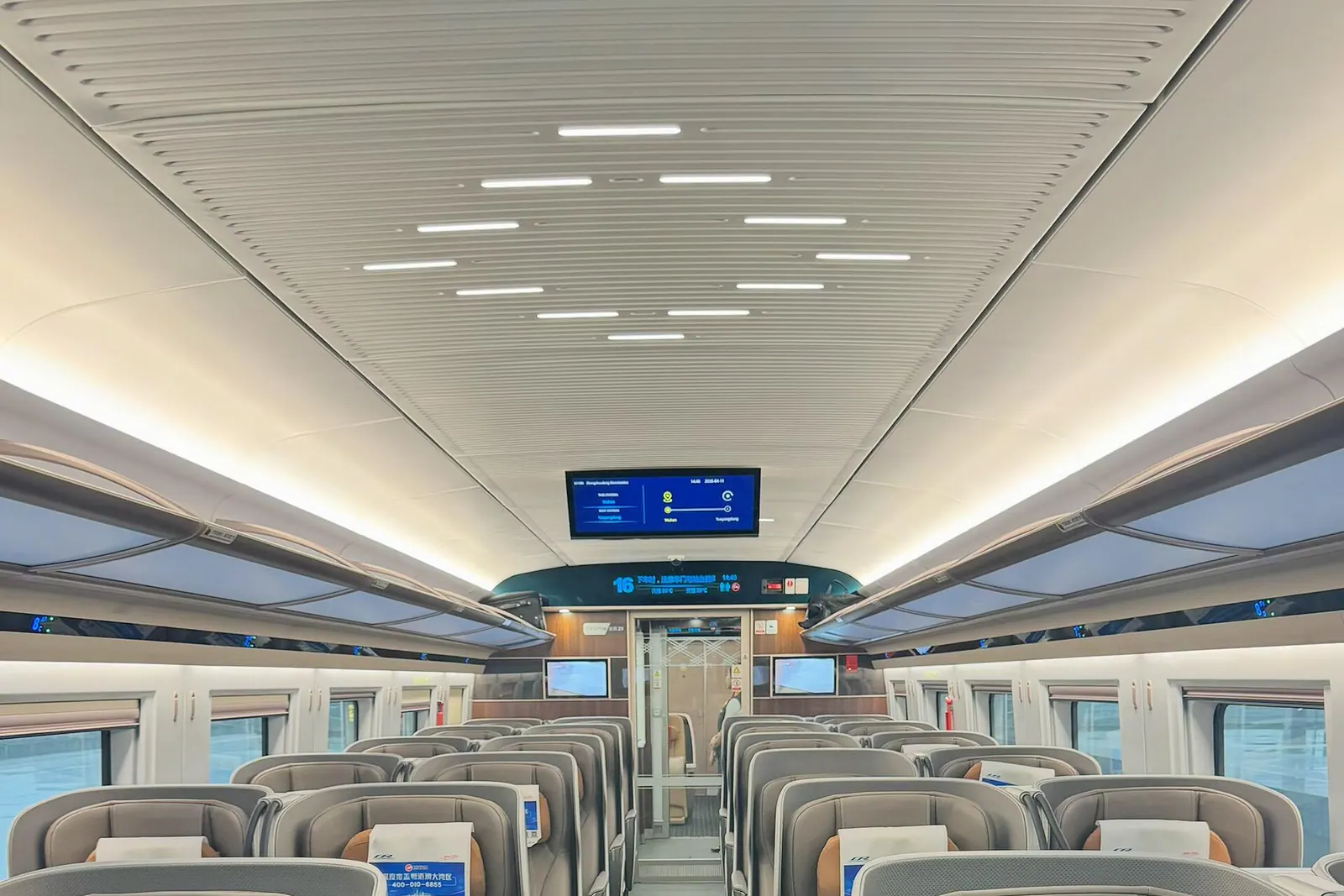
Admission to the train also involves identity and security checks. Keep the original booking document accessible and allow time for the actual station procedures. Luggage should not obstruct aisles or passenger movement. Do not assume that your seat reservation includes a particular large-bag space or that arriving at the last moment will leave a suitable place nearby.
Design The Boarding Tasks Before Departure
Divide responsibilities so that children and travelers needing help are not left unattended while someone lifts cases. One adult might supervise children while another manages manageable luggage, but that only works if the total load is realistic. A guide cannot automatically replace an adult’s supervision or act as a dedicated porter for the whole party.
Ask where the departing staff member’s responsibility ends. Station controls can limit access, so “assistance at the station” must not be interpreted as guaranteed platform escort. If you require help beyond the public area, request the specific task and wait for confirmation from the relevant service. Do not make a tight train connection depend on unconfirmed assistance.
Keep the arrival meeting instruction and next hotel address offline. At the destination, you may need to move from the platform through the station to a public exit before meeting the local team. The private-tour handover guide explains how to name those boundaries and avoid a gap between the departing and receiving teams.
Domestic Flights Need A Fresh Baggage Check
Check the operating airline and the exact fare product for each domestic segment. Record checked baggage, cabin pieces, weight, dimensions and additional charges separately. A booking platform’s general baggage article is not the same as the conditions attached to your ticket. Codeshares and separately purchased tickets make it particularly important to identify the actual operating carrier.
Do not assume a long-haul international allowance carries into a domestic ticket. Ask whether there is a through-check arrangement for the actual itinerary and whether the airline confirms it. If the flights are separate, plan for the published domestic allowance unless the carrier explicitly agrees otherwise. Paying excess charges may not solve every size or restricted-item problem.
The current ten-day private China route combines Beijing–Xi’an high-speed rail with a Xi’an–Shanghai domestic flight. Its proposal specifies travel class, baggage and fare conditions. This makes a single packing plan useful: the bag must work for both modes and for the travelers moving between them.
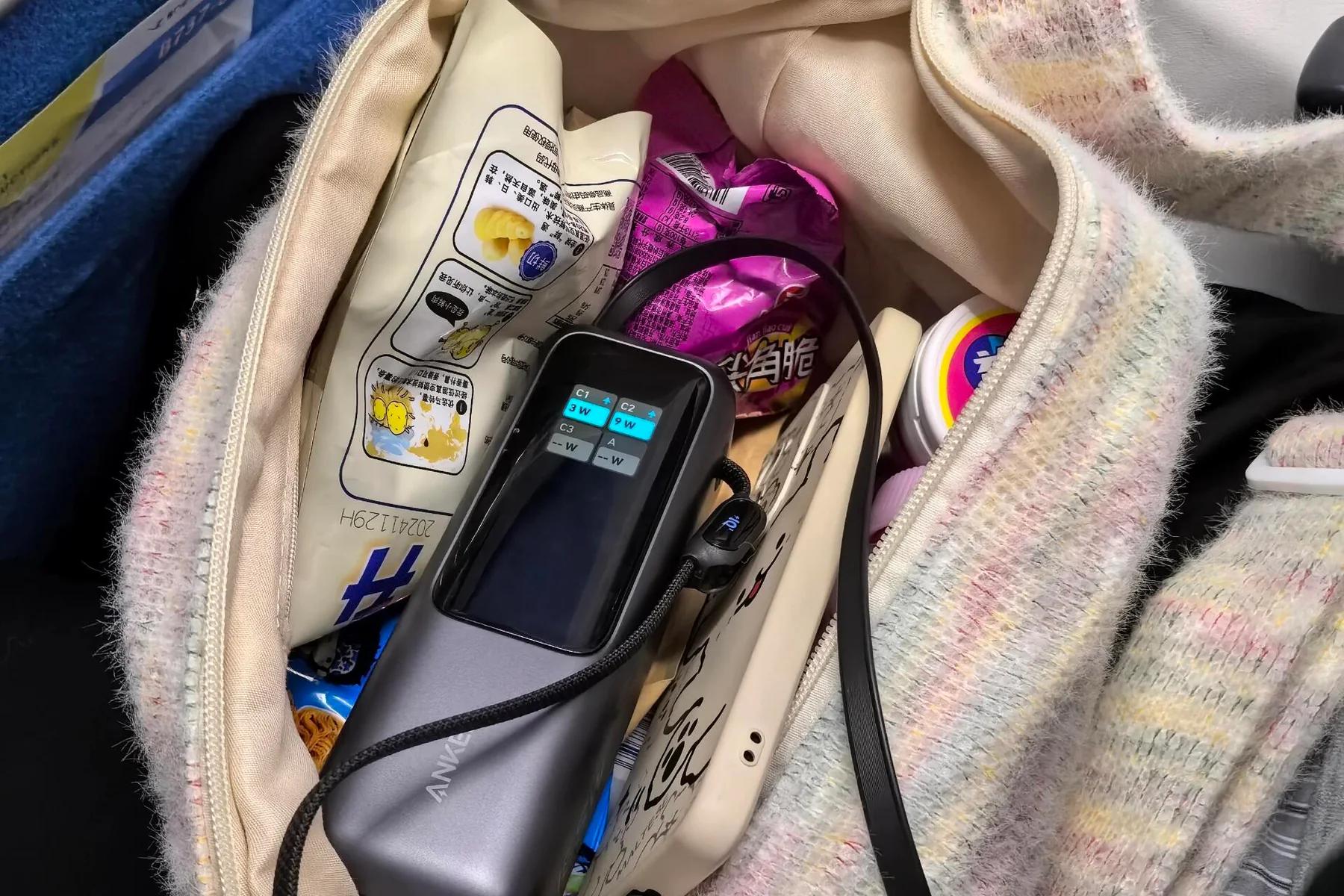
Before check-in, review the domestic-flight power-bank guide and the airline’s current restricted-item conditions. Spare batteries and power banks require particular care and must not be packed casually into a case destined for the hold. If a cabin bag is unexpectedly checked at a gate, tell staff about items that need removal and follow their instructions.
Use A Small Immediate-Needs Kit
Keep original travel documents, necessary medication, a charging solution permitted for the journey, valuables and the next hotel’s details in an accessible personal bag. Add a change of essential clothing and the supplies a child or dependent traveler would need during a delay. This is a continuity plan, not permission to carry restricted liquids or equipment without checking the rules.
A family can divide nonessential clothing between cases so one delayed bag does not leave a traveler with nothing suitable. Keep prescribed medication under its appropriate travel and storage conditions, and carry the documents required for it. If temperature control or powered equipment is involved, seek a specific transport plan before buying the route.
The arrival-day checklist helps decide what must remain available until hotel check-in. Do not put the only copy of the public meeting instruction, hotel address or support contact in a checked case. Keep a second accessible copy where one lost phone will not remove every fallback.
Hotel Changes Create Their Own Risks
At checkout, count pieces before they leave the room, when they reach the vehicle and when they arrive at the next hotel. Use simple bag descriptions or discreet identifiers that the party can recognize. A quick photograph of the cases can help describe a missing item without displaying document numbers or other personal information.
Ask about hotel storage if arrival precedes room availability or departure follows checkout. Storage, early check-in and late checkout are separate arrangements; do not assume that leaving a bag creates access to a room. Keep essential items and valuables under your own appropriate control, and retain any storage receipt.
Laundry can reduce packing volume, but only if the schedule supports it. Ask about the hotel’s collection cutoff, return time and handling of delicate items. A two-night stop may be too short for a service you have not confirmed. Do not send tomorrow’s essential clothing to laundry on the assumption that it will return before an early train.
Forward Luggage Only With A Confirmed Delivery Plan
Hotel-to-hotel forwarding may be possible through a commercial carrier, but it is a separate service with its own contract. Confirm pickup, acceptance, prohibited contents, identification requirements, tracking, delivery estimate and responsibility for delay or damage. Ask the receiving hotel whether it will accept the shipment under the reservation name and how long it can hold it.
Compare delivery timing with the entire route. A shipment that misses a two-night stay can be harder to recover than a case traveling with the party. Have a plan if the carrier is late, including who contacts the carrier and what happens if the family leaves before arrival. Avoid treating an estimated date as a guaranteed appointment.
Never make forwarding the only way to receive passports, essential medication, valuables or items immediately needed for care. Check whether any medical equipment or batteries may be shipped at all. If the luggage plan depends on forwarding to make rail feasible, confirm that service before committing to the rail itinerary.
A Transfer-Day Packing Sequence
- Check the current train and flight bookings against the packed case sizes and weights.
- Put documents, medication and immediate needs in the accessible personal bag.
- Count all pieces and agree who moves each one through the public areas.
- Confirm the vehicle, meeting point and any specifically booked assistance.
- Keep the arrival contact and hotel address offline before leaving the hotel.
- Recount at each handover and report a missing item before leaving the location.
If an airline bag does not arrive, use the carrier’s baggage service process before leaving the relevant area and retain the reference. Tell the pickup team that the procedure may delay your exit. Record the next hotel and onward travel accurately, then ask how delivery and follow-up will work. A private operator can help coordinate, but should not promise control over the airline’s tracing or delivery outcome.
Expert Insider Tips
Let The Bags Influence The Route
The ten-day itinerary uses nine hotel nights across Beijing, Xi’an and Shanghai, with dedicated intercity travel days. Keep those days available for the complete hotel-to-hotel movement rather than adding a timed attraction simply because the train or flight itself appears short. Fewer loose items and a clear division of responsibility protect both comfort and timing.
Request the ten-day route’s dated transport proposal with your bag inventory attached. Ask for the actual flight allowance, railway conditions, vehicle configuration and confirmed help. If the result is still physically unrealistic, change the transport, assistance or number of moves before booking rather than relying on a porter who has not been arranged.