Answer Brief
The Answer, Briefly
Use your first 24 hours in China to complete arrival formalities, meet the confirmed pickup team, check into the hotel and make the next morning clear. Keep the passport, hotel address, public meeting instruction and support contact accessible. A private transfer does not decide admission, provide automatic access inside baggage claim or guarantee an early room. Leave the arrival day light enough to absorb immigration, delayed bags and fatigue. The important result is a settled traveler who knows what happens next.
Return to the first-trip planning hub for route and gateway decisions. This checklist starts with the arrival packet and ends with the first-night briefing, so each issue has a practical owner before sightseeing begins.
Key Takeaways
- Save the terminal, public meeting point and fallback contact offline before boarding.
- Confirm waiting terms, vehicle capacity and the actual pickup language in advance.
- Present the required original documents for hotel registration and verify the booked room setup.
- Protect rest and confirm tomorrow’s guide, documents, meals and meeting point before sleeping.
Prepare An Arrival Packet That Works Offline
Keep the first hotel’s full name, address in Chinese and English where available, telephone number and booking reference together. Add your flight number, arrival date in local time, airport and terminal. Beijing has more than one airport; Shanghai also has separate Pudong and Hongqiao airports. A city name alone is not sufficient for dispatching a vehicle.
Save the pickup instruction as a screenshot or document that does not require logging into a messaging app. It should specify where you meet after the controlled arrival procedures, how to identify the representative and what to do if you cannot find each other. Keep a conventional phone number as well as the preferred messaging channel.
Carry the travel documents required for your entry basis and keep onward travel information accessible where applicable. Check current requirements with the relevant official authorities for your nationality, passport and complete route. A tour confirmation can provide useful travel information but does not establish eligibility for a visa exemption or guarantee admission at the border.
Do not send passport numbers merely to ask for an initial itinerary. Once ticket or accommodation procedures require identity information, confirm what is needed and use the agreed collection channel. Keep control of the original passport and understand why it is being presented. Avoid placing the only copy of essential arrival information inside checked luggage.
Divide The Arrival Into Six Handovers
| Stage | Traveler’s immediate task | What to confirm with the provider |
|---|---|---|
| Before flying | Keep documents and offline instructions ready | Correct flight, date, airport, terminal and party details |
| Border and customs procedures | Follow the authorities’ instructions | Operator understands pickup follows controlled formalities |
| Public arrivals meeting | Find and verify the booked representative | Exact point, identification and fallback contact |
| Road transfer | Recount bags and check destination | Vehicle fit, language, waiting and extra-charge terms |
| Hotel reception | Present documents and inspect room arrangements | Named property, room category, bedding and payment hold |
| First-night briefing | Resolve tomorrow’s essentials | Guide, meeting point, reservations, needs and support contact |
The table is a planning tool, not a promise that every stage takes a fixed number of minutes. Gate position, queues, baggage delivery, road conditions and room readiness vary. Use the actual arrival and service terms to set expectations rather than comparing two transfers by an unsupported airport-to-hotel time.
Complete Arrival Procedures Before Looking For The Driver
Follow the airport’s immigration, baggage and customs directions for your journey. Keep required documents available and answer questions accurately. The operator can supply an address or clarify itinerary information through the agreed contact, but the relevant authorities control admission and formalities. A premium service label does not remove those responsibilities.
If checked luggage is missing, complete the carrier’s reporting process and retain the reference before leaving the relevant area. Tell the pickup contact that you are delayed and ask how waiting is handled. Give the carrier the correct next address and onward travel details, because a short hotel stay can complicate delivery.
Do not leave the agreed process simply because someone outside a controlled area claims to be your replacement driver. Verify any change through the booked operator and the information you saved. If there is no connectivity, seek an airport information point or another appropriate official assistance channel to make contact, while keeping your party together.
Make The Public Meeting Instruction Specific
A normal transfer should name a public meeting point after the relevant arrival controls. It must not imply that the driver can enter immigration or restricted baggage areas. If a separately booked airport-assistance service is involved, ask where its permissions actually allow it to operate. Treat that as a specific confirmed service rather than an automatic feature of private travel.
Identification should be usable without broadcasting unnecessary personal details. Ask what sign, booking reference or other agreed information confirms the representative. For a family, decide which adult verifies the pickup while the other supervises children and bags. Do not let everyone scatter into different parts of a large arrivals hall looking for the same person.
Ask whether flight changes are monitored and how included waiting is calculated. Is it measured from landing, a stated meeting time or another agreed event? Who contacts whom after a significant delay, and what additional charges may apply? Monitoring a flight does not mean waiting is unlimited or that the dispatcher knows a baggage report is taking extra time.
The private-tour transfer guide explains how the airport pickup connects with later railway and city handovers. The same principle applies throughout: each transition needs a location, responsible person and next action rather than a broad promise that everything is handled.
Confirm The Vehicle And Staff Before Arrival
Send passenger count together with the number and outside dimensions of cases, folded stroller size and any mobility equipment. The multi-city luggage guide shows why vehicle seating and luggage space must be checked together. Ask about the actual loading and assistance tasks if anyone cannot lift or move a case safely.
A driver-only pickup can be workable when the destination and communication plan are clear. Ask whether the driver speaks your language and how the coordinating team can assist if needed. A local guide meeting the flight is a different service. Neither arrangement automatically supplies childcare, personal care or help with transfers between seats.
The ten-day Beijing, Xi’an and Shanghai route lists an airport-to-hotel transfer on Day 1 and no scheduled sightseeing that day. Its published service uses local guides, separate drivers and coordination, with exact arrangements confirmed in the proposal. Request that the arrival instruction reflects your actual airport and flight rather than a generic example.
Hotel Registration And Room Readiness Are Separate Questions
Article 39 of China’s Exit and Entry Administration Law distinguishes hotels from other accommodation. Hotels register foreign guests and submit accommodation information to the relevant public security authorities. Present the valid original travel document requested at reception and allow time for the process. A prepaid reservation does not remove registration.
For a private residence or another non-hotel stay, the foreign guest or host must complete accommodation registration with the relevant public security authorities within 24 hours of arrival. The NIA announcement dated 21 September 2026 introduced nationwide online registration through official NIA channels while retaining local in-person registration. Confirm the appropriate process for the actual address, rather than assuming the hotel workflow applies everywhere.
Registration does not determine whether a room is ready early. Ask about the property’s check-in time and the terms of any confirmed early access. A morning landing can otherwise involve a period with no room. If immediate rest is essential, discuss a suitable booking arrangement before departure and obtain the hotel’s confirmation rather than relying on a request note.
At reception, verify the room category, beds and number of nights. For a family, check what “connecting,” “adjoining” or “nearby” means in the confirmed reservation. A request is not the same as a guaranteed internal connecting door. If there is a mismatch, tell both the hotel and operator promptly and ask who is taking the next action.
Also check breakfast, incidental deposits or card holds, Wi-Fi and the meeting point used by the next day’s guide. A package with hotel costs included may still require a hotel hold for personal expenses. Ask which payment methods the specific property accepts and how any hold is released. Do not assume every international card or mobile wallet is supported.
Test One Payment And One Communication Route
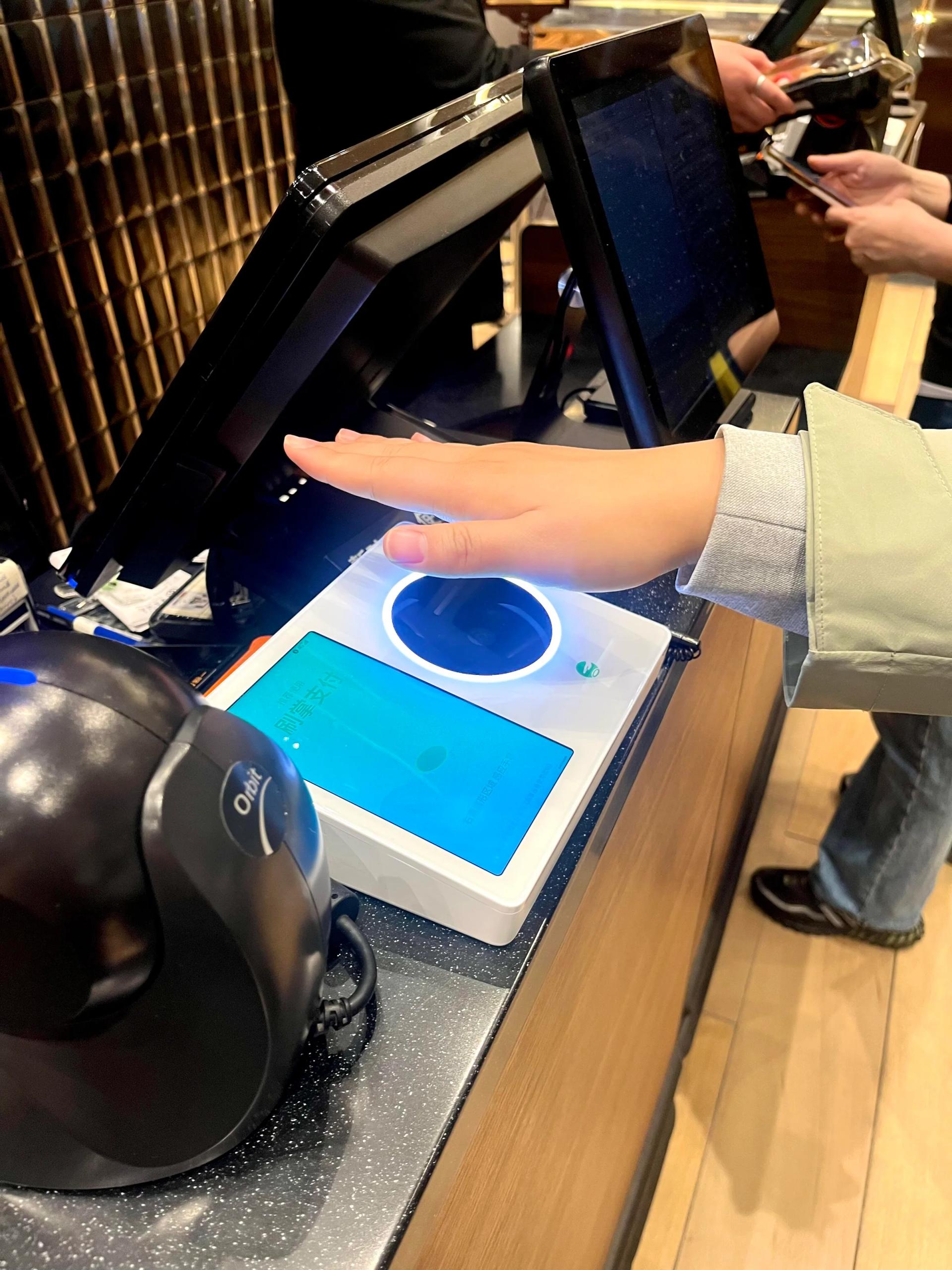
Use the foreign-visitor payment guide to prepare before travel. On arrival, check that the chosen app opens, that your bank can complete any verification and that the contact method works on the network you plan to use. App installation alone does not prove that a transaction will succeed at every merchant.
The State Council’s 2025 working-and-living guide explains international-card linking options and notes that product conditions and issuer verification can differ. It also tells travelers to ask hotels about accepted international cards. Treat those as preparation principles, not a guarantee that every brand, account or merchant will work in your circumstances.
Keep a usable backup, such as an appropriate physical card and some RMB cash, separately from the primary phone. Never give a guide or driver your payment password or one-time code. If a small test fails, resolve it with the payment service or issuing bank before making the phone wallet your only way to pay for an independent meal.
Use The First Briefing To Prepare The Next Morning
Ask for the guide’s identification, exact meeting location and confirmed departure time. Clarify whether the vehicle is booked for that day and where any service ends. Review the weather, expected walking, stairs and standing, together with the documents needed for the first reserved visit. Keep a short written version rather than relying on an exhausted traveler remembering a long conversation.
Confirm food needs and which meals are included. The ten-day route includes hotel breakfasts on Days 2–10; lunches, dinners and arrival-day meals are not automatically covered. If the family needs a simple meal soon after landing, request recommendations or an arranged service with the cost stated, rather than assuming a welcome dinner exists.
Describe any unresolved problem as a task with an owner: a missing bag reference, incorrect bed arrangement, failed contact method or ticket-name discrepancy. Ask when the next update will arrive. A provider cannot solve every supplier issue immediately, but it can explain the current position and the next practical step.
A First-Night Readiness Check
- Passport and required documents are secure and available for tomorrow.
- The party knows the actual guide meeting time and location.
- Phone, permitted charging equipment and backup contact details are ready.
- At least one payment method works, with another available as a fallback.
- Room, food, walking and assistance concerns have been acknowledged.
- The next reservation or transport sector matches the relevant identity details.
If the first full day has an important timed booking, ask how its start relates to breakfast and the hotel departure. Avoid choosing a later meeting time without checking the reservation. Conversely, do not insist on a major paid attraction on arrival day simply to fill a gap before check-in; the current ten-day route deliberately leaves arrival for settling and recovery.
A short walk or nearby meal can help some travelers orient themselves, but keep it optional and easy to leave. Families and older visitors may need a different balance after a long flight. Additional guide or vehicle time must be arranged rather than inferred from the private-transfer booking.
Expert Insider Tips
Request The Arrival Plan Before You Fly
A complete arrival instruction should be short enough to use while tired and detailed enough to handle a missed meeting. It connects the flight, public pickup, vehicle, hotel and next-day briefing without promising control over border decisions, delayed bags or early room availability.
Review the ten-day route’s arrival and service outline, then request your own dated instructions. Include flight details, luggage, room needs and practical limits. Confirm what is booked and what remains a request so the first 24 hours begin with a usable plan rather than a set of assumptions.