Answer Brief
The Answer, Briefly
Private China family tours work best when the proposal starts with your actual family: ages, room layout, reliable meals, comfortable walking and who needs help during transfers. Choose a few shared priorities, then ask for dated services and supplier confirmations rather than a generic child-friendly label. The twelve-day Beijing, Xi'an, Chengdu and Shanghai route is one starting point, not a promise that every request or optional activity is included. This guide shows what to put in the brief before you compare quotations.
Key Takeaways
- Describe essential sleeping, eating and movement requirements before selecting hotels.
- Separate the main family experience from activities that can genuinely be omitted.
- Confirm guide, driver, baggage and supervision responsibilities for each move.
- Compare the same party, rooms and selected services across written proposals.
The China family itinerary hub compares route length and bases. Here the task is different: turn your family's needs into instructions an operator can price and check. Good preparation prevents an attractive itinerary from hiding a room or staffing problem until arrival.
Write A One-Page Brief With The People Traveling
US-based households can use our family travel to China guide to coordinate adults’ and children’s entry documents, arrival recovery, payment backups, and a pace that works for grandparents as well as children.
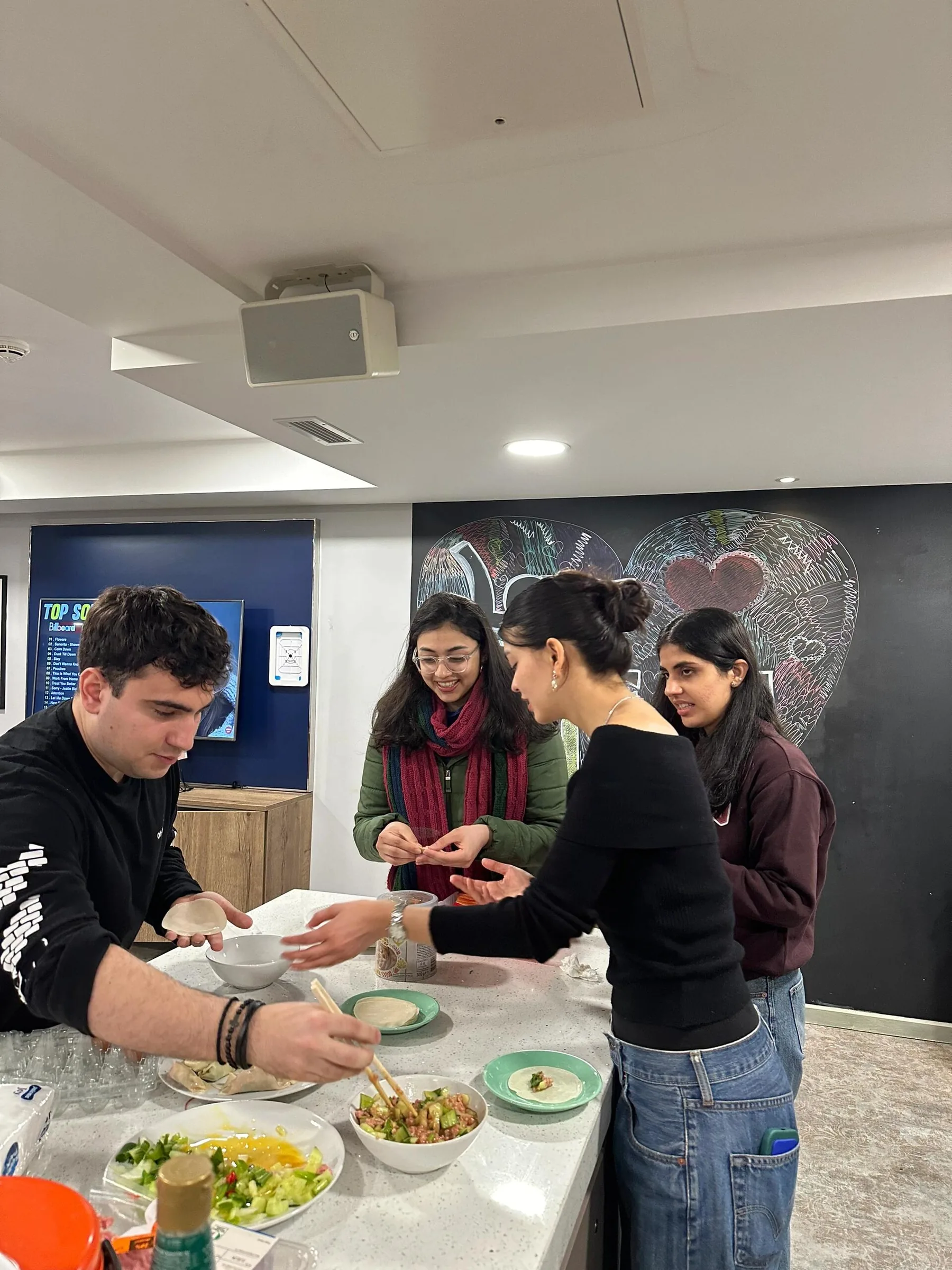
Start with dates, international arrival and departure plans, traveler ages and the essential experiences. Ask children to choose a priority too. Pandas, a train ride or making dumplings may matter more to them than another museum. Ask adults which activities they would happily skip to preserve a relaxed meal or afternoon.
Next describe ordinary routines. Include breakfast needs, useful rest windows, comfortable continuous walking, difficulty with standing or steps, and whether anyone can travel independently. Provide only information relevant to the service. A general inquiry does not require sending a child's full passport or a relative's clinical history to multiple hotels.
Classify requirements by consequence. An internal connecting door may be essential for supervision, while a view is a preference. A severe allergy requires a different response from dislike of chili. Tell the operator what would make the trip unworkable so that those questions are resolved before nonrefundable reservations.
Translate Family Language Into Bookable Details
| Family request | Detail the proposal needs | Confirmation to distinguish |
|---|---|---|
| We need a family room | Occupancy, bed layout and room category in each city | Hotel acceptance versus a request |
| Our children need breaks | Timing, location and service coverage during rest | Independent time versus staffed time |
| We need a child seat | Child's relevant measurements and exact vehicle fit | Suitable restraint confirmed versus general availability |
| We eat carefully | Preferences, allergens and relevant preparation questions | Passing on a request versus kitchen confirmation |
| Grandparents may return early | Accompaniment, vehicle and hotel access | Agreed return arrangement versus improvisation |
| We want no shopping stops | Explicit itinerary and written compulsory-shopping terms | Optional interest visit versus required retail stop |
Keep the language precise without demanding guarantees outside anyone's control. Public operations and availability can change. The useful proposal identifies what is confirmed, what remains open, and which alternative the family can accept if an essential supplier cannot meet the requirement.
Match The Route To Usable Time
The published twelve-day family journey uses eleven hotel nights: Beijing four, Xi'an two, Chengdu three and Shanghai two. It includes two intercity rail sectors, Beijing–Xi'an and Xi'an–Chengdu, followed by a Chengdu–Shanghai flight. Those moves take time beyond the scheduled train or flight duration.
Do not confuse twelve calendar days with twelve full sightseeing days. Arrival and departure arrangements determine usable windows. Shanghai has two nights in this starting route, so it cannot absorb a long list of additional visits without changing another element. Ask which experience matters most before extending the finale.
If the family has fewer days, removing a base can be more sensible than retaining every city with shorter stays. If you have more time, explain whether it should support rest or another destination. Longer is useful when the additional nights serve a purpose rather than simply multiplying activities.
Give Each Principal Visit A Clear Role
In Beijing, separate the Palace Museum and Mutianyu as principal outings. The palace is a large public site with reservation and opening rules, not an indoor stop to squeeze between lunch and the next booking. Choose a focused route and a practical exit, including the movement back to legal vehicle pickup.
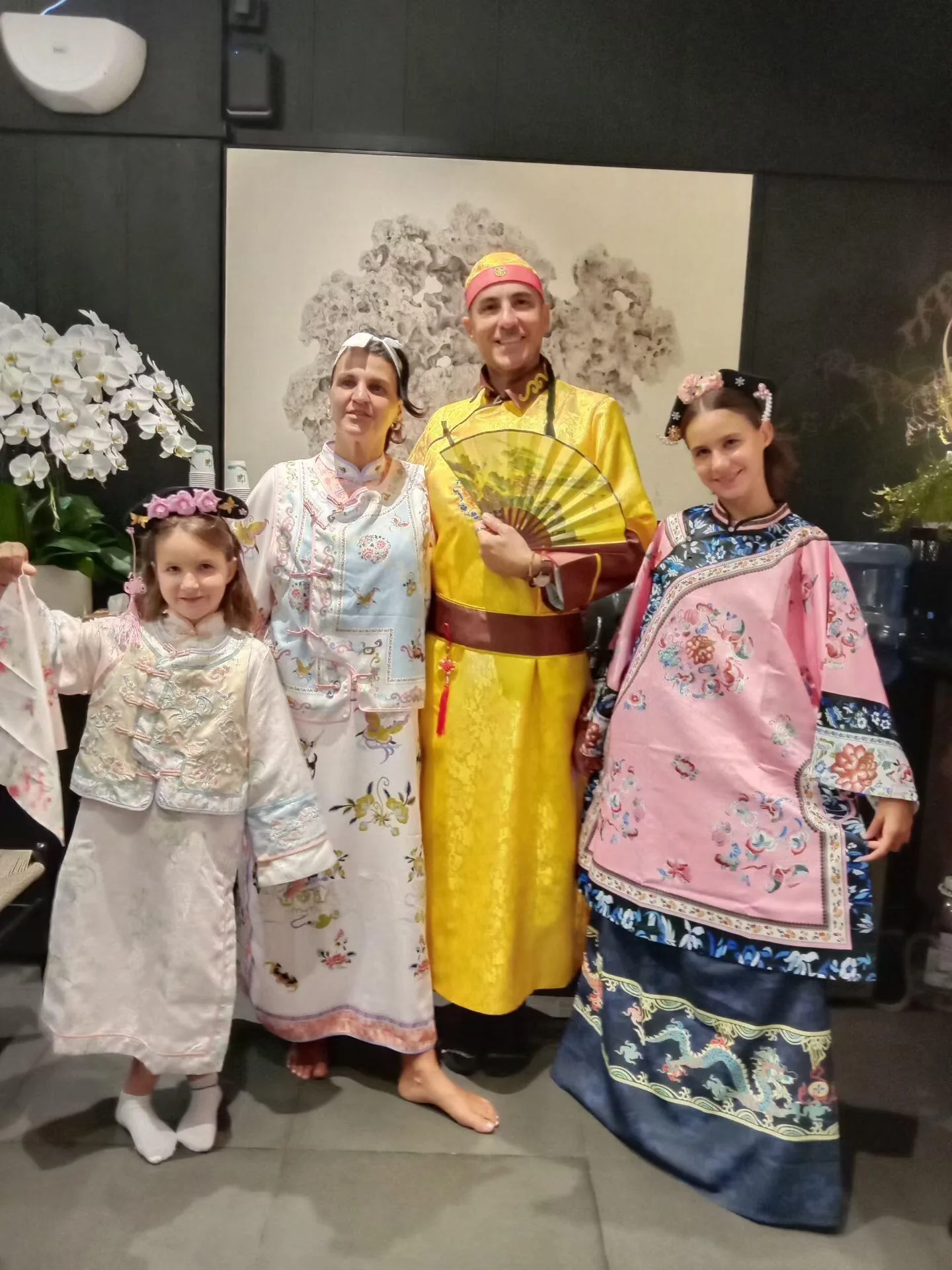
At Mutianyu, identify the selected lift, boarding and walking route instead of promising a stair-free wall. In Xi'an, build the day around the Terracotta Warriors before deciding whether the family also wants a studio or evening activity. A creative workshop is another timed service, not automatically a rest break.
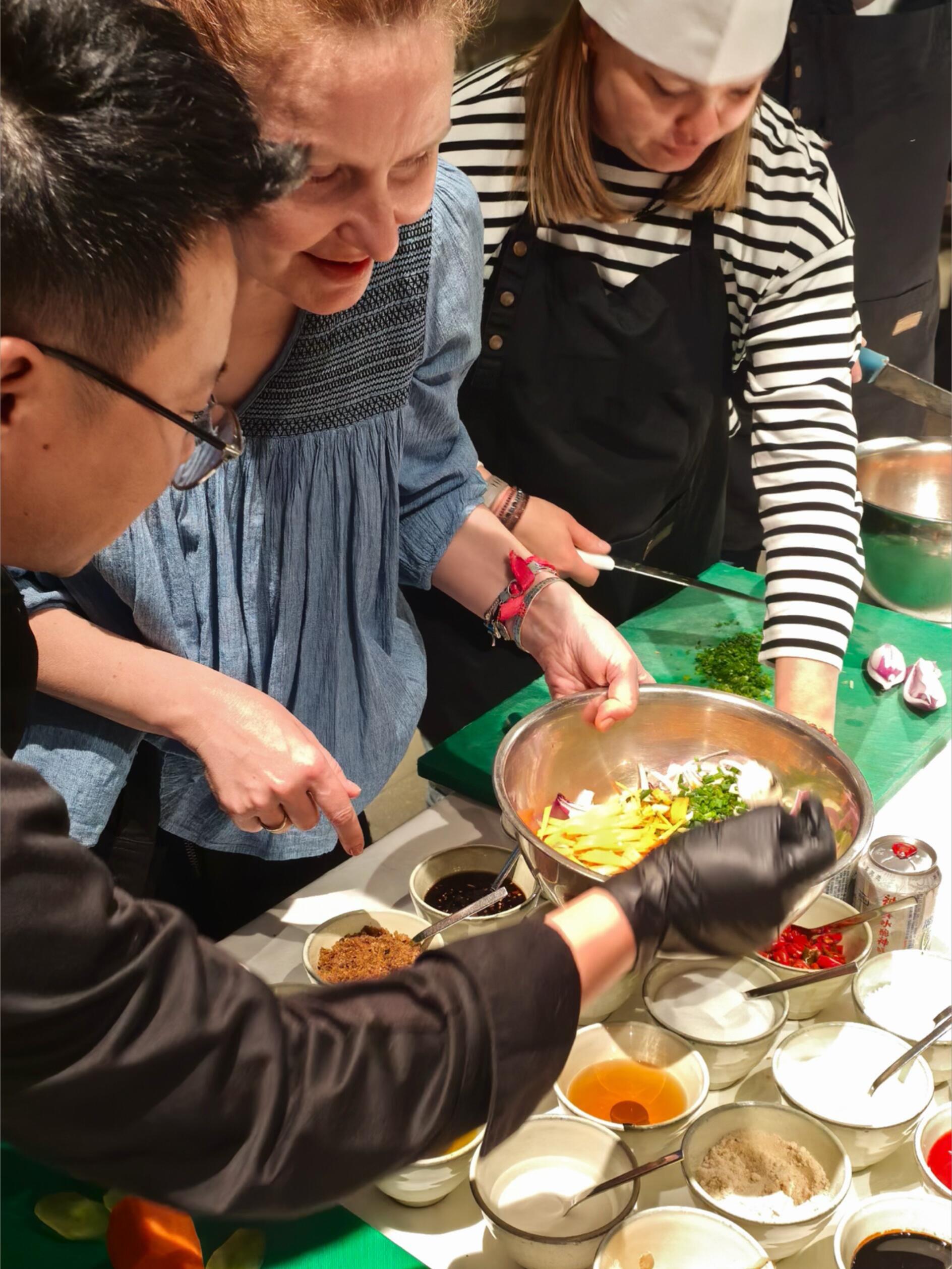
In Chengdu, choose the panda facility and entry plan before fixing the afternoon. In Shanghai, a kitchen lunch, neighborhood introduction and farewell dinner already give the final full day structure. Adding several distant landmarks can remove the recovery window the family thought it was buying.
For a concrete service discussion, review the 12-day family journey with pandas. Request a dated outline identifying the main activity, optional element and included services on each day, rather than assuming every example in a planning conversation is part of the booking.
Confirm Rooms Before Treating A Hotel As Suitable
Connecting rooms have an internal door; adjacent rooms may simply be nearby. Same-floor placement, a family suite and an extra bed are different arrangements. Record the named property, dates, categories, permitted occupancy, bed configuration and breakfast basis. A hotel brand or five-star category does not answer these questions.
Ask whether the exact configuration is accepted in writing or merely requested. If it is essential, review the alternative before committing. Do not assume that a second room automatically permits children to occupy it independently; the hotel's policy and the family's supervision plan both matter.
Consider the approach from the vehicle, bathroom needs and room access after an early arrival. A spacious room on paper may still fail the brief if its bathroom is unsuitable or its pedestrian-lane entrance creates a difficult final movement. Essential equipment and early check-in need their own confirmation.
Plan Meals With Enough Detail To Act On
Tell the planner what each child reliably eats and where the family wants to explore. A simple noodle lunch, familiar breakfast and shorter meal can be more useful than a sequence of formal banquets. Confirm which meals are included and whether the booking specifies a menu, allowance, host or venue.
Separate preferences from allergies, intolerances and clinician-advised requirements. A guide can communicate a request; that does not establish how a kitchen controls ingredients or cross-contact. If a named restaurant cannot answer essential questions, agree a fallback rather than relying on the prestige of the venue.
Carry the traveler's appropriate emergency plan and prescribed medication arrangements independently of the dining reservation. The operator can coordinate travel within the agreed scope, but an included meal is not a medical service or a guarantee that every restaurant can accommodate every requirement.
Make Transport Responsibilities Visible
A private driver operates the vehicle; a guide interprets and coordinates the agreed visit. Station support, an escort traveling between cities, porter work and personal care are different tasks. Ask where the local team meets the family and where the handover occurs at departure and arrival.
China Railway's English guidance describes real-name identification and use of the valid document associated with the ticket. Keep the relevant documents available. An itinerary printout is not a substitute. Child-ticket questions should be checked through the actual booking channel rather than inferred from a generic age discount.
List passengers, bags, stroller dimensions and any mobility equipment before selecting the vehicle. Child restraints need to suit the child and the actual vehicle; confirm availability and installation arrangements. Premium seating or a large cabin does not automatically establish a suitable restraint or capacity for all cases.
Define Supervision And Split-Party Periods
A private guide is not automatically a babysitter. State who remains responsible for each child during workshops, toilets, transport and any split outing. Children should stay with a responsible adult under the agreed family arrangement, even when the activity feels informal or the guide is engaging them in a game.
The multigenerational trip blueprint helps allocate people and transport when grandparents rest and others continue. One guide cannot accompany two distant branches simultaneously. Price the additional service if it is needed rather than leaving an essential return to chance.
For recovery windows across a longer trip, use the senior itinerary recovery guide. Preserve useful rest time for older relatives without assuming children and grandparents want the same afternoon. The right arrangement respects both groups and identifies who supports each.
Compare Quotations On One Common Basis
AVIORA's current published starting basis for the twelve-day family route is USD 5,290 per person for two adults and two children aged six to eleven sharing two rooms outside peak periods. This is a first-party published reference, not an independently verified supplier rate or a quote for different dates and ages.
Ask for the total for your actual party. Record rooms, train class, domestic flight basis, meals, guide and vehicle days, selected Chengdu option and listed workshops. Optional upgrades, a different room configuration or added staffing can change the total. Compare cancellation and change terms alongside the amount.
The practical China-with-kids guide covers how these choices affect the day itself. Use it to test whether a lower quote omits a service the family depends on or whether a higher quote adds something you do not need.
A Preparation Sequence Before Booking
First, agree the family's essential experiences and requirements. Second, select a workable route and night distribution. Third, obtain answers on rooms, transport, dietary needs and necessary assistance. Fourth, review dated inclusions and the total for your party. Resolve essential gaps before accepting the payment and cancellation terms.
Before departure, reconfirm arrangements tied to specific equipment, rooms, tickets or personnel. Keep the operating contact and a readable service outline available to the adults traveling. A sound plan remains usable when a child tires, a public route changes or an optional activity no longer appeals.
Expert Insider Tips
Turn The Brief Into A Dated Proposal
Review the 12-day family journey with pandas with your family's actual ages, room needs and priorities. Request a proposal that separates confirmed services, essential open questions and optional choices. That creates a practical basis for deciding whether the trip fits before you make a commitment.