Answer Brief
The Answer, Briefly
For a China family itinerary, use ten days for three bases, twelve days for Beijing, Xi’an, Chengdu and Shanghai with carefully protected transfers, or fourteen days for the same route with more recovery. Start with the children’s ages, room setup and actual flights. A twelve-day framework has eleven hotel nights: four in Beijing, two in Xi’an, three in Chengdu and two in Shanghai. Adding another city without adding nights replaces time together with packing and travel.
Key Takeaways
- Count hotel nights and full days; arrival and departure are travel commitments.
- Give the Forbidden City, Great Wall, Terracotta Army and pandas separate focus.
- Confirm connecting rooms, child restraints and dietary arrangements before paying.
- Use extra days for recovery before assuming another destination is needed.
The China travel journal provides the wider planning library. The route below is an editorial framework; exact reservations, transport and family services belong in the dated proposal.
Choose The Length By What Your Family Values
A child who wants pandas may be happier with three Chengdu nights than a fourth history museum. A teenager interested in architecture may prefer Shanghai time. Ask every traveler to name one essential experience and one thing that makes travel difficult. These answers make the trade-offs visible before the itinerary becomes a negotiation over famous places.
| Length | Hotel nights and bases | Practical use | Main trade-off |
|---|---|---|---|
| 10 days | 9 nights: Beijing 4, Xi’an 2, Chengdu 3 | Palace, Wall, archaeology and pandas in three bases | Shanghai needs another trip or a replacement city |
| 12 days | 11 nights: Beijing 4, Xi’an 2, Chengdu 3, Shanghai 2 | Four contrasting chapters with three transfers | Shanghai has one full day; transfer periods need discipline |
| 14 days | 13 nights: Beijing 5, Xi’an 2, Chengdu 4, Shanghai 2 | Same landmarks with two additional flexible days | Higher accommodation cost without another headline city |
These are planning allocations, not claims that every family should take the same route. The ten-day version needs suitable international connections from Chengdu. A Shanghai departure requirement may instead favor Beijing, Xi’an and Shanghai, with pandas omitted or more nights added.
A Twelve-Day Route With Eleven Nights
Days 1–4: Beijing, Four Nights
Keep Day 1 for arrival, the hotel and an uncomplicated meal. An early arrival may allow a short neighborhood outing, but immigration, baggage and traffic should not control a prepaid highlight. Clarify the hotel’s check-in conditions rather than assuming rooms will be available immediately after a morning flight.
Use Day 2 for the Forbidden City if the actual opening calendar and reservation allow it. The museum’s published Monday closure pattern, with exceptions, means the dates can force a different order. Set one story for the children, such as how an emperor’s household operated, and choose a coherent route instead of trying to name every courtyard.
Make Day 3 the Mutianyu Great Wall excursion. Check the uphill system, boarding suitability and return arrangement before discussing the length of the walk. Cable access reduces the climb but does not remove uneven stone or steps. Keep a weather alternative in the Beijing period and avoid promising the Wall will operate under every condition.
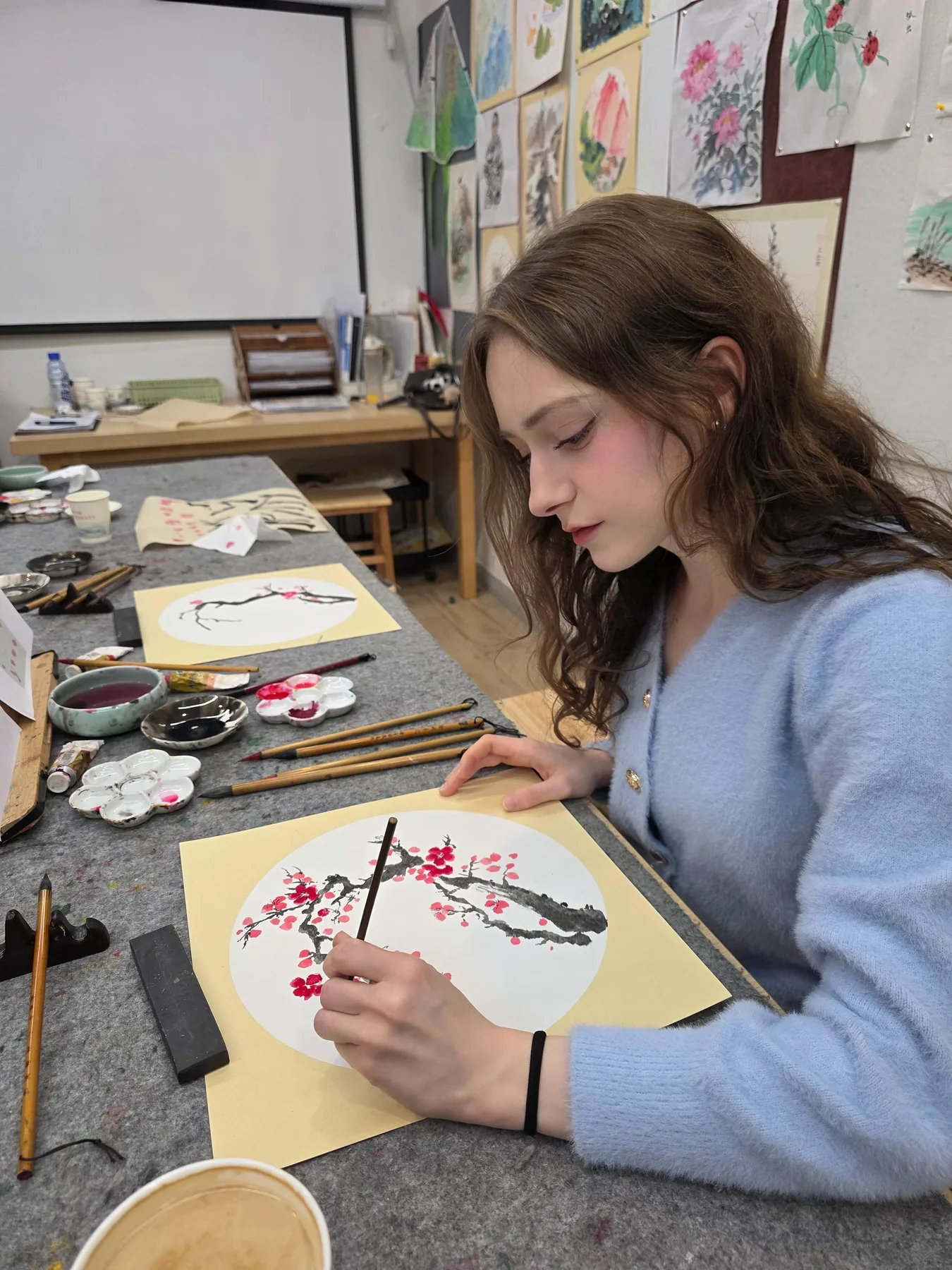
Day 4 can hold the Temple of Heaven, a neighborhood activity or a slower morning. Choose one substantial outing and leave room for laundry, a familiar meal or the hotel. A workshop should be age-appropriate and requested on its own terms; do not assume every craft demonstration is included or free of a retail component.
Days 5–6: Xi’an, Two Nights
Day 5 is the Beijing–Xi’an transfer. Select the actual train and station before assigning an evening activity. Hotel checkout, the station approach, identity checks, luggage and the next meeting point all consume time beyond the published rail journey. A short city-wall or neighborhood visit may fit, but it should not be the condition that makes the day feel successful.
Day 6 belongs to the Terracotta Army. The museum’s ticketing information distinguishes the main pits and Lishan Garden area, with shuttle arrangements. Decide what the family wants to understand and how much walking remains practical. The key archaeological visit should not be stretched by automatic additions simply because they are within the wider admission area.
For younger children, an explanation before entering can help: these figures were created for an emperor’s burial complex, and excavation continues to change what can be studied. A focused question to answer in each pit works better than asking a child to absorb an adult lecture while standing in a crowd.
Days 7–9: Chengdu, Three Nights
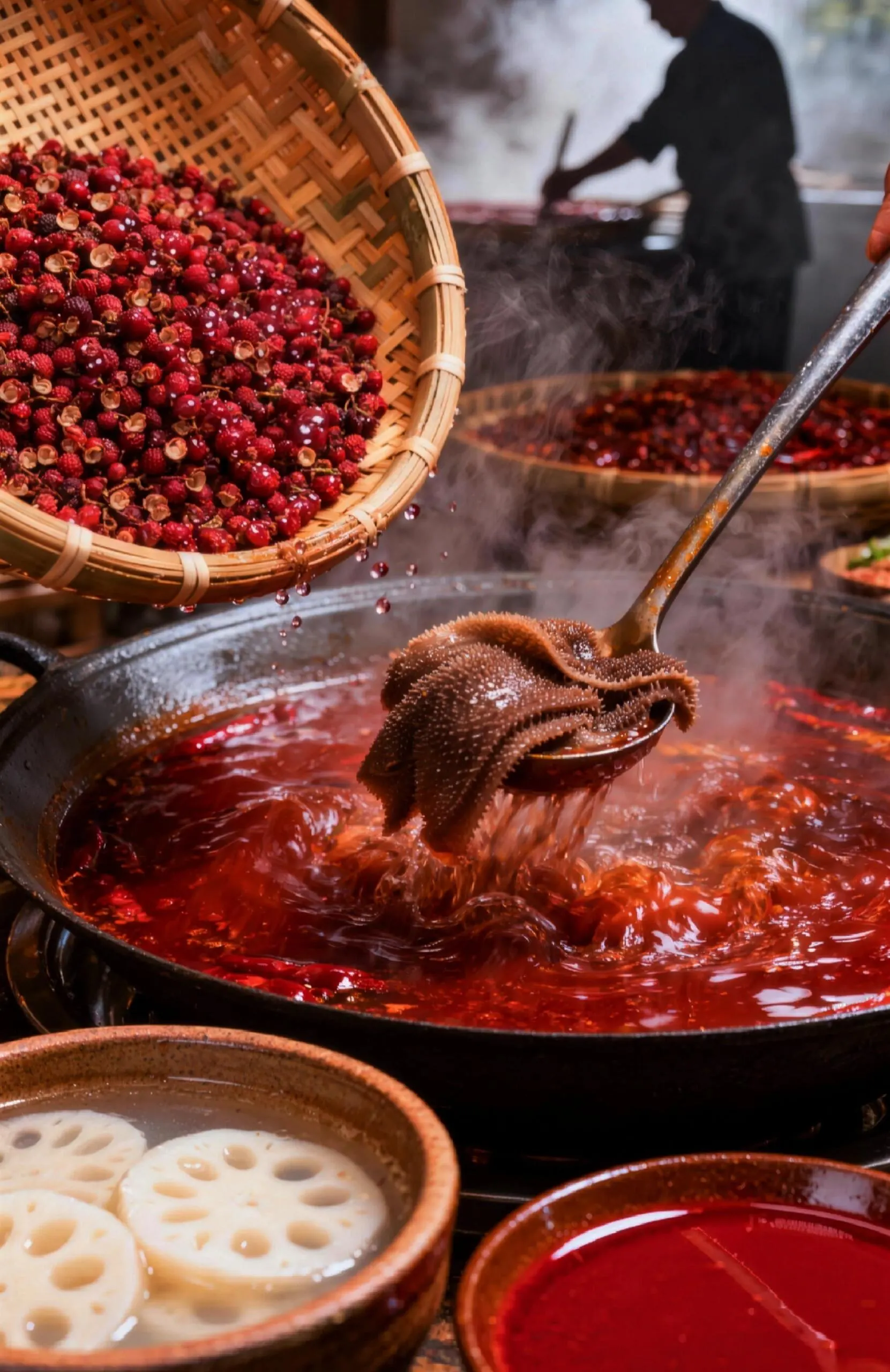
Day 7 is the Xi’an–Chengdu transfer and hotel arrival. Treat the first meal as a practical introduction to Sichuan food, with spice level and ingredients discussed explicitly. “Not spicy” does not establish an allergy-safe meal, and a shared hotpot is not automatically suitable for a traveler concerned about cross-contact.
Use Day 8 for the chosen panda facility. Confirm which facility is booked: the Chengdu Research Base and facilities around Dujiangyan are different places with different journeys. Outdoor animal activity varies with conditions. An earlier visit may suit the plan, but no time of day guarantees a particular animal behavior or an unobstructed viewing position.
Keep the afternoon flexible rather than attaching an ambitious second excursion to the panda morning. Day 9 can offer a park, tea-house context, a food-focused outing or simply more recovery. With three consecutive nights, the family can leave luggage in one room and make a decision based on energy rather than another checkout deadline.
At this point, compare the twelve-day China family tour with pandas. Its published four-city, eleven-night structure matches this allocation. Ask which activities, meals, rooms and transfers are included for your actual family, rather than carrying assumptions from the editorial framework into the contract.
Days 10–12: Shanghai, Two Nights
Day 10 is the Chengdu–Shanghai flight and hotel arrival. Distinguish Pudong from Hongqiao when comparing the hotel approach. A first look at the Bund may be enjoyable if arrival and weather cooperate; keep it optional so a delay does not remove the only planned riverfront experience.
Use Day 11 for a focused Shanghai day. Connect the Bund’s buildings with a neighborhood or museum chapter, allowing for the children’s interests and indoor options in difficult weather. Crossing the river, checking into an observation deck and traveling back are separate movements. They should not be hidden inside a vague instruction to “explore the skyline.”
Day 12 protects the international departure. Choose pickup against the actual airport, flight and current carrier guidance. Do not rely on a final morning attraction to justify the trip length when bags, checkout or traffic may remove it.
Match The Route To The Children’s Ages
For preschool children, room access, nap rhythm, snacks and a manageable evening often matter more than another paid activity. Carrying a stroller into a heritage complex does not establish continuous step-free access. Ask about the complete route, storage arrangements and whether adults can alternate participation when a path is unsuitable.
For primary-school children, use short questions, objects and practical tasks. A guide can compare the height of a watchtower, explain how a pottery figure was assembled or connect a map with the day’s movement. Agree how much explanation the children enjoy instead of equating family expertise with constant entertainment.
Teenagers should have a meaningful choice: food, contemporary neighborhoods, photography or a particular historical subject. Ask before reserving specialist activities. Age restrictions, language, safety conditions and the need for an accompanying adult may determine whether an appealing workshop is actually usable.
Confirm The Room Arrangement In Writing
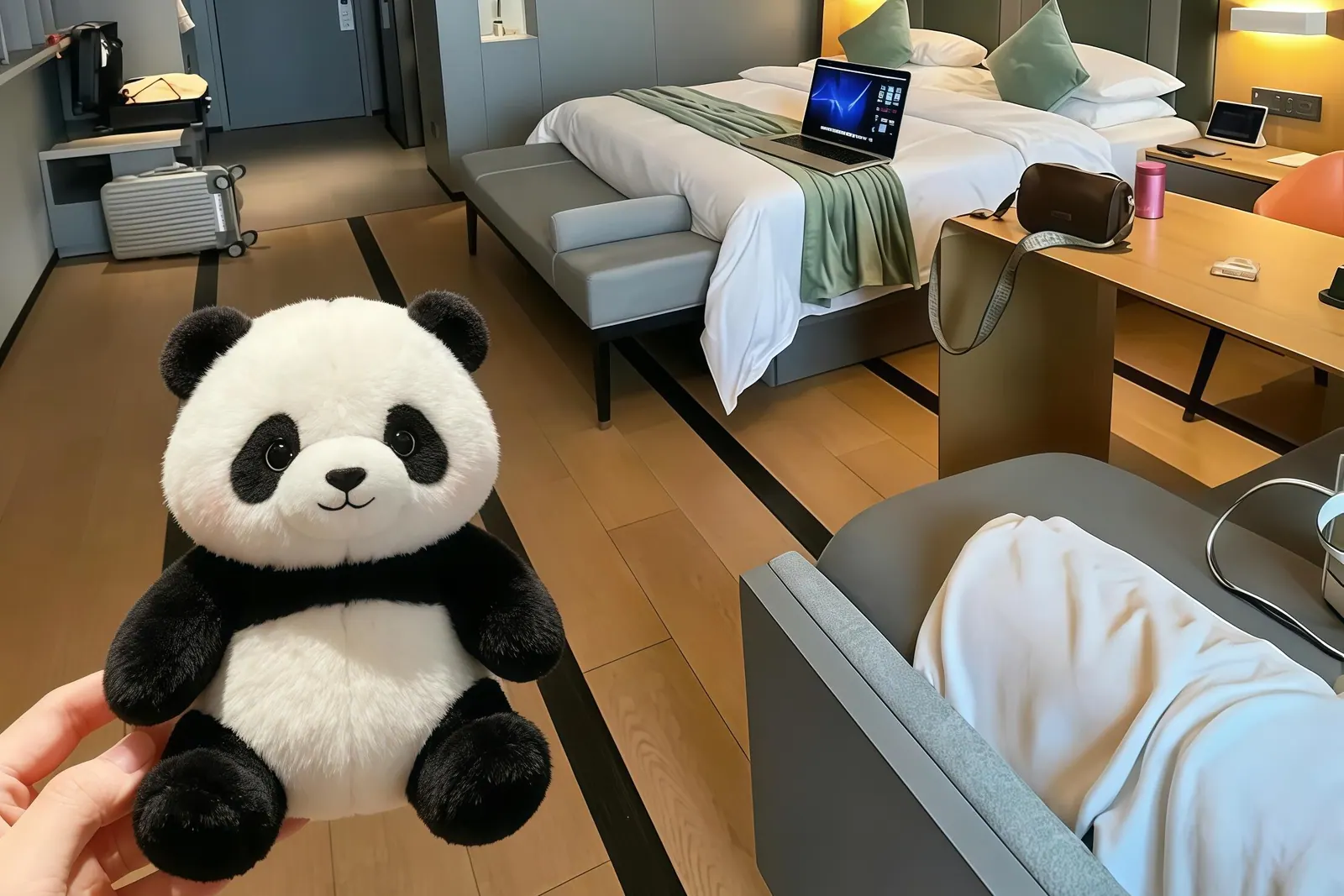
Two rooms, connecting rooms, adjacent rooms and a family suite are different products. Ask whether the connecting arrangement is confirmed or merely requested, which room categories can connect and what happens if the hotel cannot deliver it. Check extra-bed restrictions, occupancy, breakfast and cancellation terms together.
The family hotel rooms and connecting-room guide explains the questions to send before booking. A room photograph does not establish occupancy approval, and an extra bed does not necessarily leave enough practical space for luggage or a stroller.
For mixed-age groups, agree who needs proximity and who can rest independently. A grandparent should not become the default caregiver because the sightseeing route offers no lower-load choice. Build that choice into the schedule and contracted service if it matters to the family.
Food, Transfers And No-Shopping Expectations
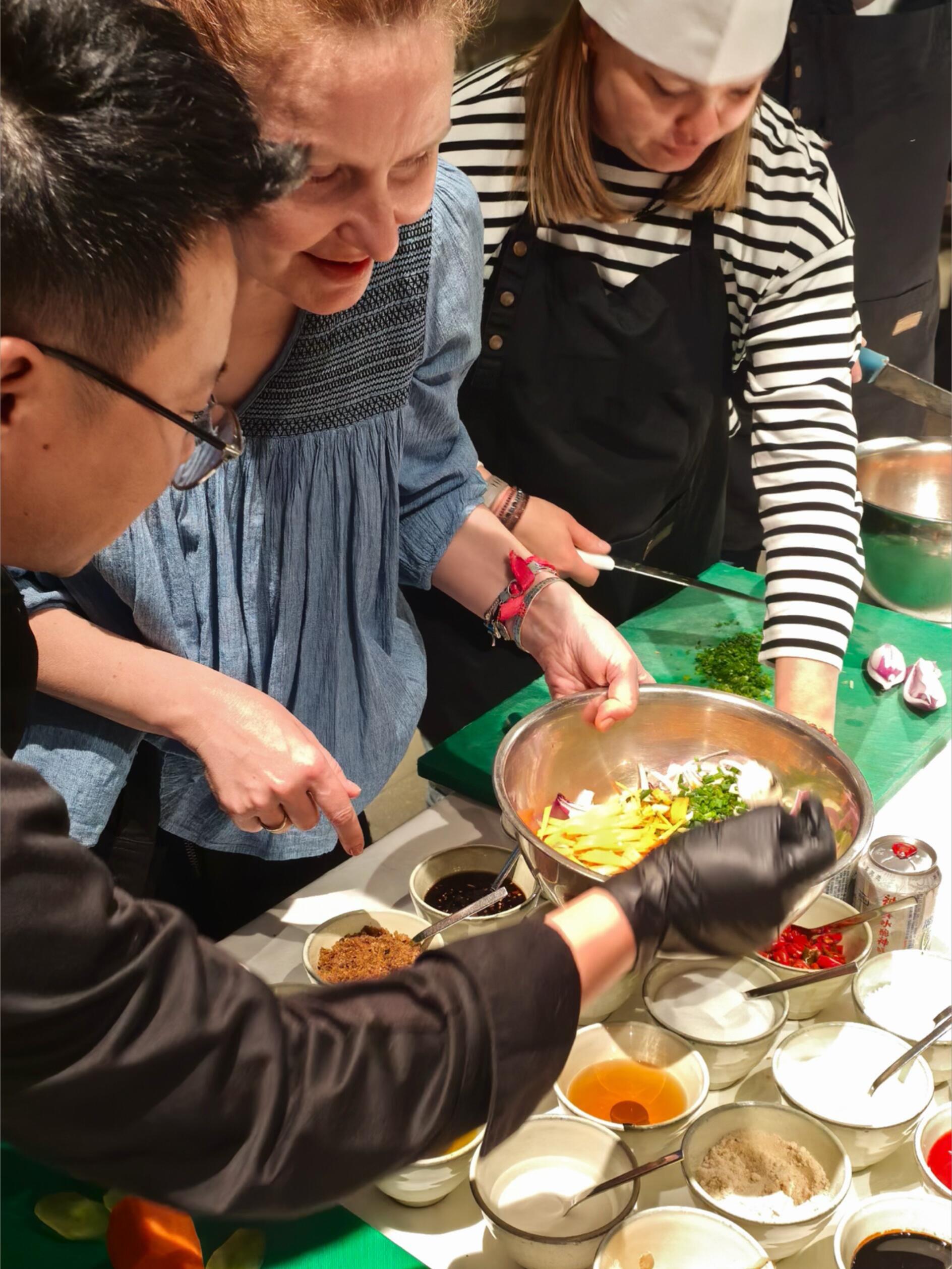
Send an exact dietary brief, distinguishing allergies, intolerances, religious requirements and preferences. Identify ingredients, cross-contact concerns and the traveler’s own emergency arrangements. The China food-allergy planning guide gives a more useful kitchen conversation than a general promise that restaurants can cater for everyone.
For vehicles, count luggage and child equipment as well as passengers. Confirm child restraint requirements and availability for the specific vehicle, age and size; do not assume a private transfer includes an appropriate seat. Discuss long drives, toilet stops and boarding needs before assigning the smallest vehicle that fits the headcount.
If you want no compulsory shopping stops, ask for that wording in the proposal. Clarify whether a craft or tea activity includes sales and whether participation is optional. An educational theme alone does not establish that a visit is independent of retail arrangements.
Preparation Timeline
- Before flights: confirm entry basis, essential experiences, departure gateway and the number of nights.
- Before a deposit: settle rooms, vehicle needs, guided days, meals and change terms.
- Before reservation releases: provide required identity information through the agreed secure channel and name the responsible booker.
- Before departure: test payments and connectivity, confirm allergy and care arrangements, and save transfer contacts offline.
- Each evening: agree the next day’s meeting point, breakfast timing and what can be shortened if energy changes.
For a dated proposal, return to the twelve-day family route with your children’s ages, room needs and proposed flights. Ask what should be removed as well as what could be added. A workable family itinerary leaves enough attention for the places you chose to visit.