Answer Brief
The Answer, Briefly
Traveling in China with a food allergy or dietary restriction is possible, but the plan must be more specific than “no nuts,” “vegetarian” or “gluten free.” Identify the exact ingredients and cross-contact risks, carry a professionally translated card and your prescribed medication, choose suitable kitchens before the day, and keep a simple backup meal available. A guide can improve communication; no guide can guarantee that an ordinary shared kitchen is allergen-free.
For a severe allergy or medical diet, speak with your clinician before travel and follow your own emergency action plan. This article explains travel operations, not diagnosis or treatment.
Key Takeaways
- Explain the exact ingredient and cross-contact requirement, not just the name of a diet.
- Arrange breakfast, long sightseeing days and transfers separately; one restaurant agreement does not cover the trip.
- Carry a checked bilingual card, prescribed medication and your individual emergency plan.
- Have an alternative meal ready when a kitchen cannot provide a clear answer.
Separate Medical Risk From Preference
Tell the planner which category applies:
- A diagnosed allergy with a risk of a serious reaction.
- Celiac disease or another medically required diet.
- An intolerance that causes symptoms but not anaphylaxis.
- A religious restriction.
- Vegetarian or vegan eating.
- A personal preference or food aversion.
The same ingredient may require completely different handling. A traveler who dislikes peanuts can skip a dish. A traveler at risk of anaphylaxis needs an emergency plan, medication and a kitchen decision. Combining both requests under “special meals” makes the serious requirement less visible.
Build A Precise Bilingual Food Card
The card should state the ingredient in English and simplified Chinese, explain whether cross-contact is dangerous, list common forms of the ingredient, and say what to do if symptoms begin. Include a local emergency contact and the number 120 for ambulance services in mainland China.
Carry the card on paper and offline on the phone. Show it before ordering, not after the food arrives. A translation app can help with a conversation, but a saved, checked statement is more dependable when the battery is low or the restaurant is busy.
For a severe allergy, the card should not simply say “I cannot eat peanuts.” It should explain whether peanut oil, shared oil, sauces, garnish, stock and shared utensils are also unsafe. Have a qualified translator review the wording; do not rely on an unverified machine translation for a life-threatening condition.
Understand Where Hidden Ingredients Appear
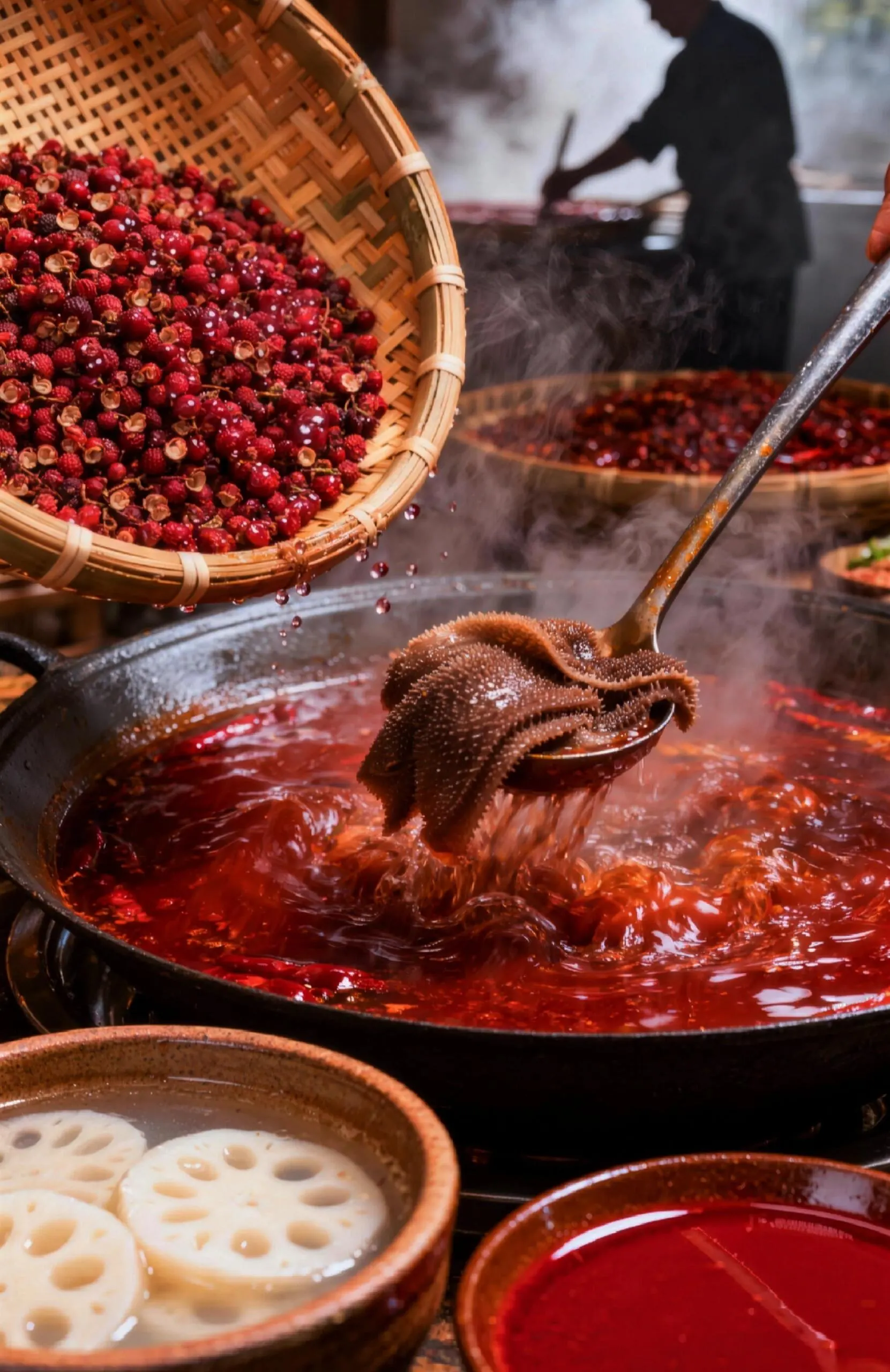
Chinese meals frequently use sauces, broths, marinades, spice mixtures and shared dishes. Wheat can appear in soy sauce, wrappers and noodles. Sesame may appear as oil, paste or garnish. Peanuts can appear whole, crushed, in sauces or in oil. Shellfish can be present in dried seasoning or stock. A vegetable dish may use animal stock or shared cooking oil.
The point is not that every dish is unsafe. It is that appearance and menu titles do not reveal the whole kitchen process. When the risk is serious, choose restaurants that can answer ingredient and cross-contact questions rather than trying to negotiate after a full table has been ordered.
Match The Food Setting To The Decision
The same question needs a different answer in a hotel buffet, a family restaurant and a railway carriage. Use the setting to choose how much can realistically be checked before you eat.
| Setting | Detail to establish | Practical fallback |
|---|---|---|
| Hotel buffet | Shared utensils, labels and separate preparation | A defined item agreed with the hotel |
| Shared restaurant meal | Ingredients, oil, stock and serving utensils | A separately assessed meal or another restaurant |
| Railway journey | Food availability and ingredient information | Suitable food chosen before reaching the station |
| Long attraction day | Restaurants reachable on the actual route | A safe backup carried with the traveler |
| Packaged snack | Current local ingredient label | A product whose full label can be understood |
A written card starts the discussion; it does not certify the kitchen. If staff answer a cross-contact question by saying they will simply remove a garnish, repeat the requirement once and assess whether they understand it. When the answer remains unclear, use the fallback instead of negotiating under hunger and time pressure.
A Safer Restaurant Decision Sequence
- Identify restaurants near the hotel and on long sightseeing days.
- Contact the restaurant in advance with the exact requirement.
- Ask whether the kitchen can prepare a simple meal separately.
- Confirm again at the restaurant with the same written card.
- Keep prescribed medication on the traveler, not in the vehicle or checked bag.
- Carry a known safe snack or meal for transfers and unexpected closures.
- Leave if the staff cannot confidently explain the preparation.
“We will tell the chef” is not the same as a cross-contact plan. For high-risk travelers, an apartment-style room with basic self-catering, a hotel willing to prepare a defined breakfast, or selected restaurants with simpler processes may be more useful than trying to sample every regional specialty.
Hotel Breakfast Needs Its Own Plan
Buffets create choice but also shared utensils, unclear labels and cross-contact. Ask whether the hotel can provide a separately prepared item and who should be contacted on arrival. If breakfast cannot be made suitable, plan an alternative rather than discovering the problem before an early train or Great Wall departure.
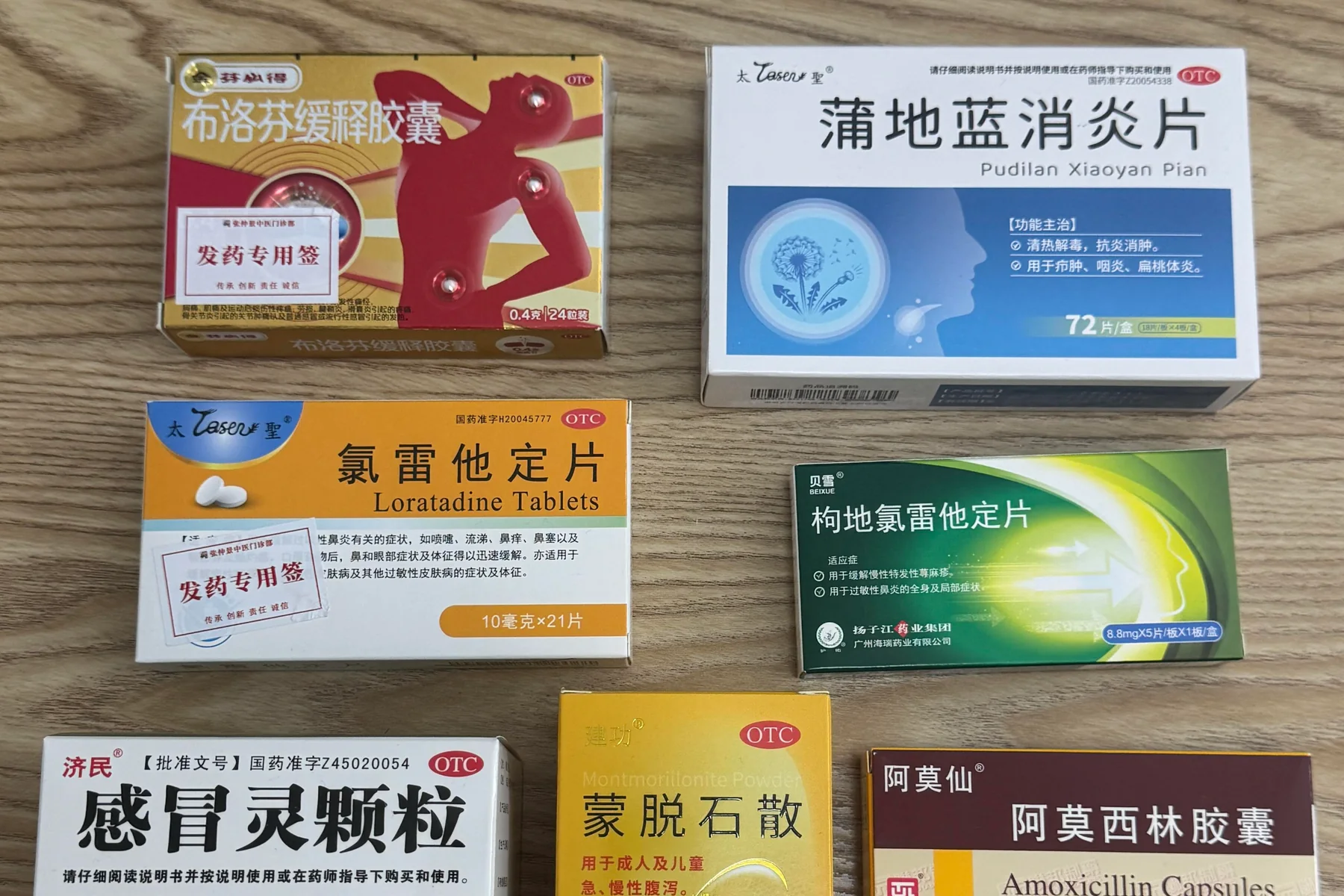
Packaged foods can be useful when the label is understood, but imported brands and formulations can differ. Do not assume that a familiar logo means identical ingredients. Keep enough safe food for travel days without trying to carry an entire trip's meals through customs.
What Changes On A Private China Journey
A private route can place meal decisions before the day begins. The guide can communicate the verified requirement, check whether the planned restaurant still agrees, help read labels and move to a fallback when the answer is unclear. The operations team can keep the same dietary briefing across cities instead of asking the traveler to restart the conversation at every handoff.
That support reduces uncertainty; it does not replace the traveler’s medication, clinician advice or emergency plan. AVIORA will not label an ordinary restaurant “allergy safe” without evidence the kitchen can meet the stated requirement.
The first-trip planning guide explains how food requirements belong in the route before reservations are fixed. The prescription medicine checklist covers documentation and packing. Families can connect these decisions to the 12-day private family journey.
Build The Meal Into The Day Before Choosing Lunch Time
A Beijing Great Wall outing can take you away from the restaurants near your hotel for much of the day. Confirm where food can be obtained before departure. Leaving the decision until after descent can produce an awkward choice between a kitchen that has not been assessed and a long wait until the city.
At the Forbidden City, also consider what you carry and where eating is permitted. A safe snack should be available when needed, subject to venue rules. A packed fallback left with the driver outside the protected area may not be useful when the traveler is already inside.
For a Xi'an museum day, do not turn a lunch stop into a mandatory shopping or demonstration visit simply because the venue says it can accommodate a special diet. Assess the meal and the itinerary separately. Dietary support should not create an obligation to buy something.
On a high-speed train day, arrange suitable food before leaving the hotel. Station choices, queues and short boarding intervals can make detailed ingredient discussion impractical. Hot water or a familiar snack brand does not establish that a product meets the traveler's individual requirement.
For a family trip, review the 12-day family journey with meal arrangements listed as separate decisions. Ask which meals are included, which are independent and which would require a restaurant or hotel confirmation. A tour can provide useful coordination without promising control over every kitchen.
Keep The Same Requirement Across City Handovers
Create one agreed dietary profile and have the traveler approve it. Keep the ingredient wording consistent between the Beijing, Xi'an, Chengdu or Shanghai teams. Repeatedly summarizing a serious requirement as “no spicy food” can lose the actual risk information.
Ask who receives the profile and who confirms each meal. A sales conversation weeks before travel does not prove the restaurant serving lunch has read it. On arrival at a new city, check that the local guide understands the current version before the first meal.
For a mixed group, make serving arrangements explicit. Shared chopsticks, sauces or children swapping snacks can undermine a carefully selected dish. Relatives should understand the traveler's rules and emergency plan rather than assuming the guide alone manages every interaction.
Connect The Remaining Decisions
Use the broader planning guide; consult china family hotel rooms connecting rooms extra beds. Read these alongside the specific checks above before fixing the route.
Expert Insider Tips
What To Send A Tour Operator
Send one clear dietary profile for each traveler:
- Exact allergen or restriction.
- Severity and known reaction pattern.
- Cross-contact requirements.
- Medication the traveler will carry.
- Foods and cuisines that are reliably acceptable.
- Whether a self-catering option is needed.
- The traveler's own emergency instructions.
Ask the operator to state which meals are included, which restaurants are planned, what has been communicated, and what happens when a kitchen cannot meet the requirement. A promise that “the guide will handle it” is not a complete operating plan.
Plan Meals Before The Route Becomes Fixed
Use the family journey as a route reference and send the dietary profile with your dates. Confirm feasible meals, independent time and fallbacks before paying, so that the itinerary reflects the requirement rather than treating it as a last-minute restaurant request.