Answer Brief
The Answer, Briefly
There is no single best age for a China family trip. Decide from the child's interests, sleep, meals, walking and response to transfers, then choose the route that fits. A younger child may enjoy a short city stay while a teenager may dislike an overloaded four-city schedule. AVIORA's twelve-day family route is marketed for ages six to seventeen, but that is a product brief, not a developmental rule. Assess each child and essential supplier requirements before treating an advertised age range as suitability.
Key Takeaways
- Choose the itinerary from the actual child rather than a preferred age label.
- Separate developmental planning judgments from hotel and ticket eligibility rules.
- Give teenagers meaningful choices without assuming unrestricted independence.
- Redesign bases, rooms and service coverage when routines require it.
The China family itinerary hub compares the trip structures available. Here the question is when and how a particular family should travel. The age bands are prompts for discussion, not predictions of endurance, behavior, memory or learning ability.
Begin With Evidence From Ordinary Family Outings
Think about the child's recent museum visit, long car ride or full day away from home. What held their attention? What caused difficulty? How did they recover? These examples help describe a practical brief more reliably than assuming a birthday automatically changes readiness for China.
Ask the child what interests them and give a few concrete options. Pandas, trains, food, architecture or archaeology can each justify a different route. Avoid making willingness to attend every attraction a test of maturity. A good plan can support curiosity without requiring constant enthusiasm.
If a child has sensory, dietary, mobility or other essential needs, identify the practical arrangements that determine participation. Do not treat age as a substitute for individual advice or supplier confirmation. Share the relevant requirements through an appropriate channel and resolve essentials before making restrictive bookings.
Use Age Bands To Frame Questions, Not Rank Families
| Planning stage | Questions to discuss | Possible route response |
|---|---|---|
| Infants and preschool children | Sleep, feeding, restraint, stroller and room needs | Fewer bases, usable rest windows and confirmed equipment |
| Early school years | Continuous walking, meal reliability and simple interests | One main experience and short observation or making activities |
| Later school years | Questions, choices and tolerance for public-site movement | Selected history, food and conservation themes with breaks |
| Teenagers | Genuine interests, independence and desired free time | Meaningful activity choices and explicit supervision boundaries |
| Mixed ages | Shared goals and different routines | A common main outing plus properly staffed alternatives |
A family does not have to wait for every child to reach the same stage. It does need a design that acknowledges differences. Sometimes fewer destinations or another room configuration solves the problem more effectively than adding another child-focused activity.
Infants And Preschool Children: Redesign The Operating Plan
A young child's routine may determine the usable day more strongly than the attraction list. Confirm feeding arrangements, room access, sleeping surfaces and the actual child restraint suitable for the vehicle. A request for a seat or crib is not confirmation of availability, fit or suitability.
Strollers require route-specific checks. Historic paving, thresholds, stairs, crowds and distance can limit their usefulness. A lift in one section does not establish continuous access. Provide equipment dimensions for transport planning and decide what happens if it cannot continue through the selected visit.
Consider one or two bases when several city changes would repeatedly disrupt sleep and meals. This is a planning option rather than a universal rule. If the family strongly values a longer route, review the complete transfer days and services needed to make it workable instead of simply copying an older-child itinerary.
Do not market a discounted or free ticket as proof that the outing is suitable. A child can qualify for an admission category and still find the required movement or environment difficult. Price eligibility and practical participation are separate decisions.
Early School Years: Give The Visit One Clear Purpose
For a child interested in visible detail, the Palace Museum can involve noticing roof figures, comparing courtyards or asking how doors signal status. Keep the explanation short enough to support looking. The goal is not to complete an adult lecture at every building or collect a fixed number of answers.
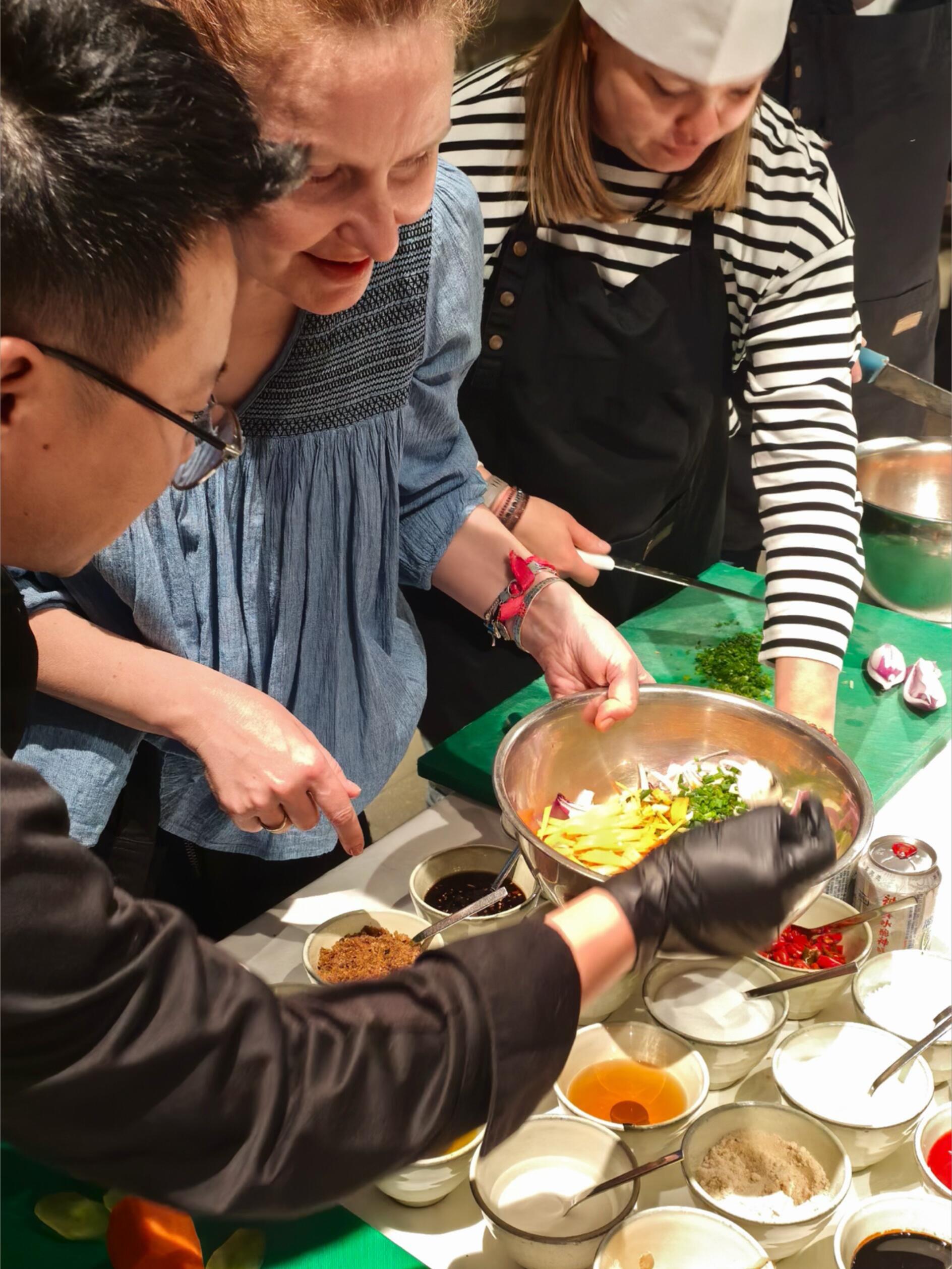
At the Terracotta Warriors, compare visible features or formations while respecting barriers. A clay workshop may extend the interest if its timing and supervision fit. It is another service with a host and practical requirements, not automatically a break from a tiring museum day.
Check meal windows and the return option before adding an afternoon. Some children recover through quiet hotel time, others through a shorter change of activity. Use the China-with-kids daily guide to translate those preferences into an actual day rather than relying on an age label.
Later School Years: Invite Interpretation Without Turning Travel Into School
Children who enjoy questions may value comparing palace hierarchy, archaeological evidence and contemporary city life. Let them choose a question to pursue rather than assigning a worksheet to every place. A guide can adapt discussion without inventing facts or pretending every uncertainty has one neat answer.
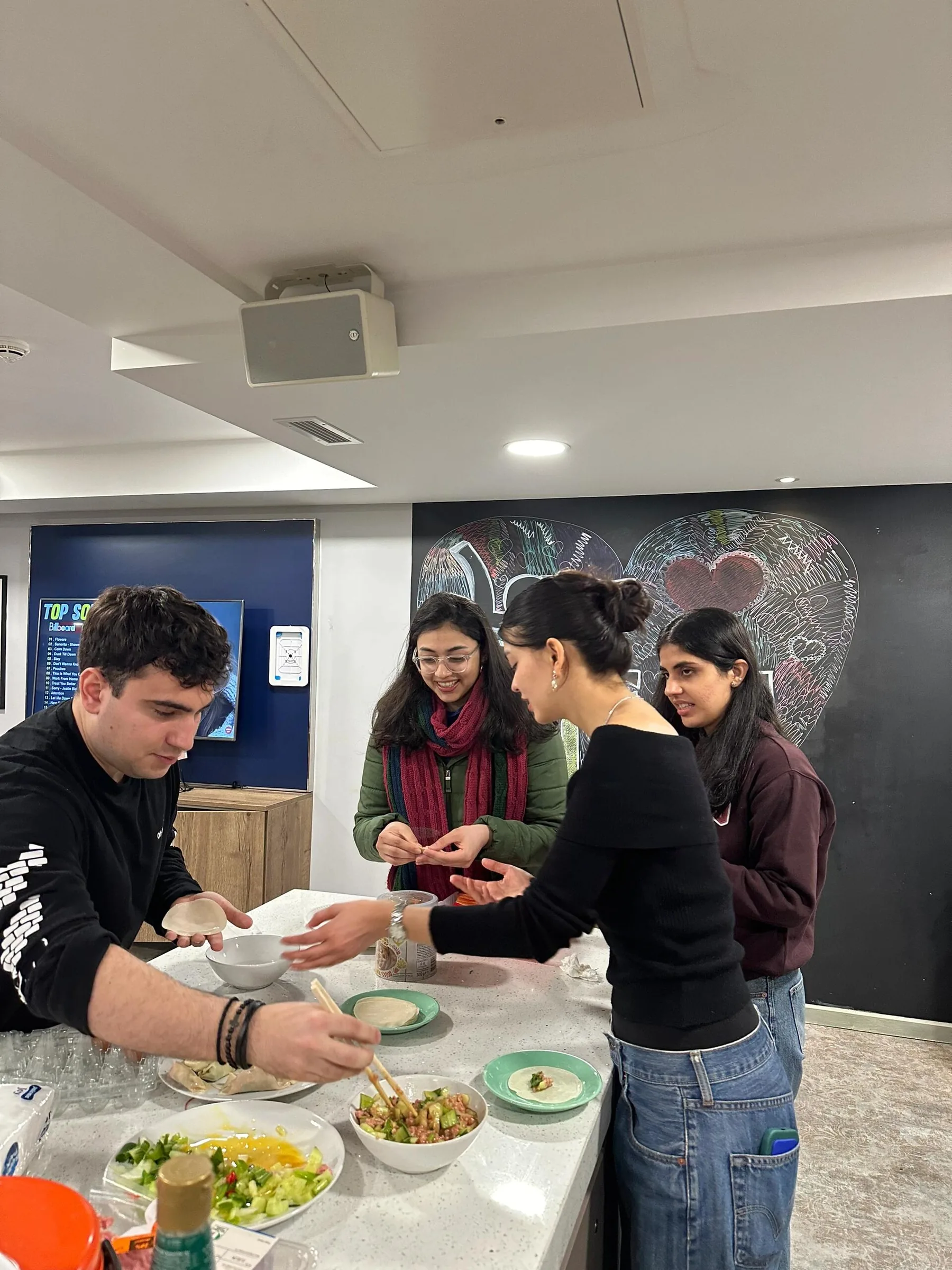
Ask the child to help select one activity. A kitchen, a museum or a panda visit can serve different interests. Explain the trade-off: choosing a distant excursion uses time that could otherwise support another visit or rest. Giving a real choice means accepting that the child may not select the adult's preferred option.
Do not infer stamina from intellectual curiosity. A child who enjoys archaeology may still struggle with standing in a public gallery. Review physical movement and attention separately. A focused visit can serve a strong interest better than a long itinerary justified by the child's apparent enthusiasm.
For a concrete starting framework, review the 12-day family journey with pandas. Its age-aware activities need to be adapted to the actual travelers and confirmed services; the advertised bracket does not automatically establish access, endurance or supplier eligibility.
Teenagers: Offer Ownership And Clear Boundaries
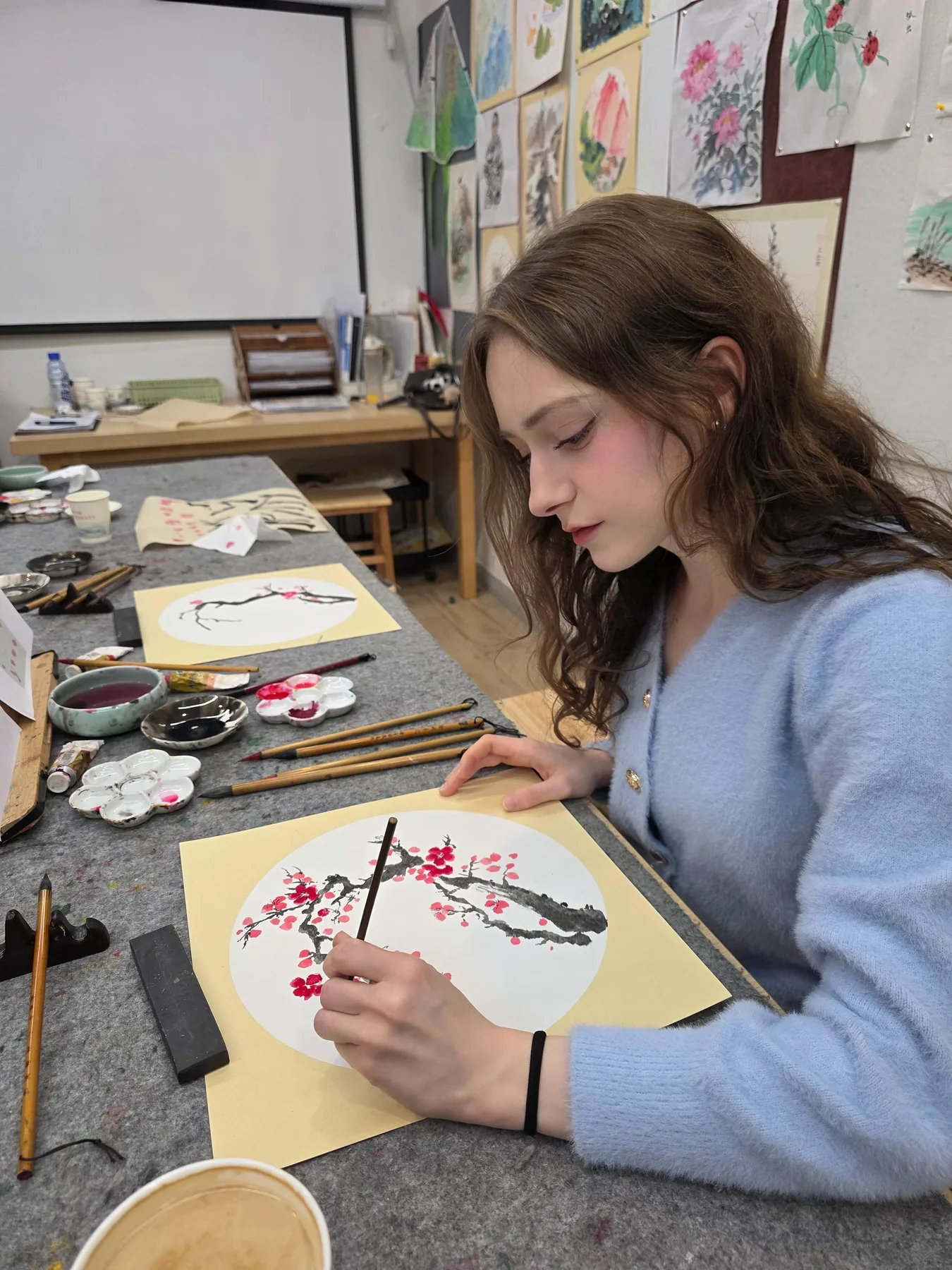
Ask teenagers what they actually want to explore: food, design, history, photography, urban life or another interest. A simplified children's script can miss the reason they would engage. Meaningful interpretation can include uncertainty and competing explanations while remaining grounded in evidence.
Give them a genuine role in choosing a Chengdu option or Shanghai focus. In the published family route, one Chengdu option is selected before booking, so this conversation belongs during design rather than after tickets and hosts are reserved. Later changes can affect cost and availability.
Independence needs boundaries. Agree supervision, meeting points, communication and how any separate activity works under hotel, venue and local requirements. A teenager's confidence does not automatically authorize independent room occupancy or remove the need for adult responsibility in the family plan.
Protect some unstructured time. More endurance is not a reason to fill every evening. Review the next morning too, especially before packing, station travel or a domestic flight. A route can respect a teenager's autonomy without assuming that every service remains on standby indefinitely.
The Great Wall Test Is About The Route, Not The Birthday
Mutianyu involves road travel, public entry, boarding and the selected Wall section. A cable car reduces part of the climb but does not remove steps, slopes or uneven stone. Ask whether the child can manage the actual outing and return, including current weather and standing.
Choose a shared goal and a turnaround. A younger child should not have to reach a distant tower to complete a challenge, and a teenager should not separate without an adult and reunion arrangement where required. The same guide cannot accompany two distant branches at once.
Optional chairlift or toboggan plans need current operator suitability checks. Do not infer a universal age or height rule from a photograph or another site's summary. If one family member cannot use the chosen descent, resolve the alternative before the day's staffing and tickets depend on it.
The Panda Test Is About Expectations As Well As Early Starts
Children should know that pandas may rest, remain indoors or be out of view. Facility decisions prioritize welfare and operations. A successful visit does not depend on a particular animal climbing, feeding or posing. Ordinary admission should not promise holding, touching or keeper access.
Choose the exact facility and entry period, then review breakfast and the road transfer. A winter start should follow the actual published operating window rather than an all-season instruction to arrive before dawn. Internal routes, closures and animal-viewing conditions can alter the plan.
Ask whether the family would still enjoy the excursion if a famous panda or particular area were unavailable. If the answer is no, discuss expectations before committing the entire trip to that one event. The guide can help children observe, but cannot turn the facility into a private performance.
Check Travel-Date Ages Across Separate Suppliers
A birthday can affect a railway ticket, hotel breakfast or attraction category differently. China Railway's official child guidance checked on 13 November 2026 bases age on the travel date: six to under fourteen uses the applicable child ticket with an adult, while fourteen and older uses full fare.
A free child under six must be declared and does not receive a separate seat unless the appropriate ticket is purchased. The family rail guide explains the document and seating decisions. Railway thresholds do not determine hotel or panda-base eligibility.
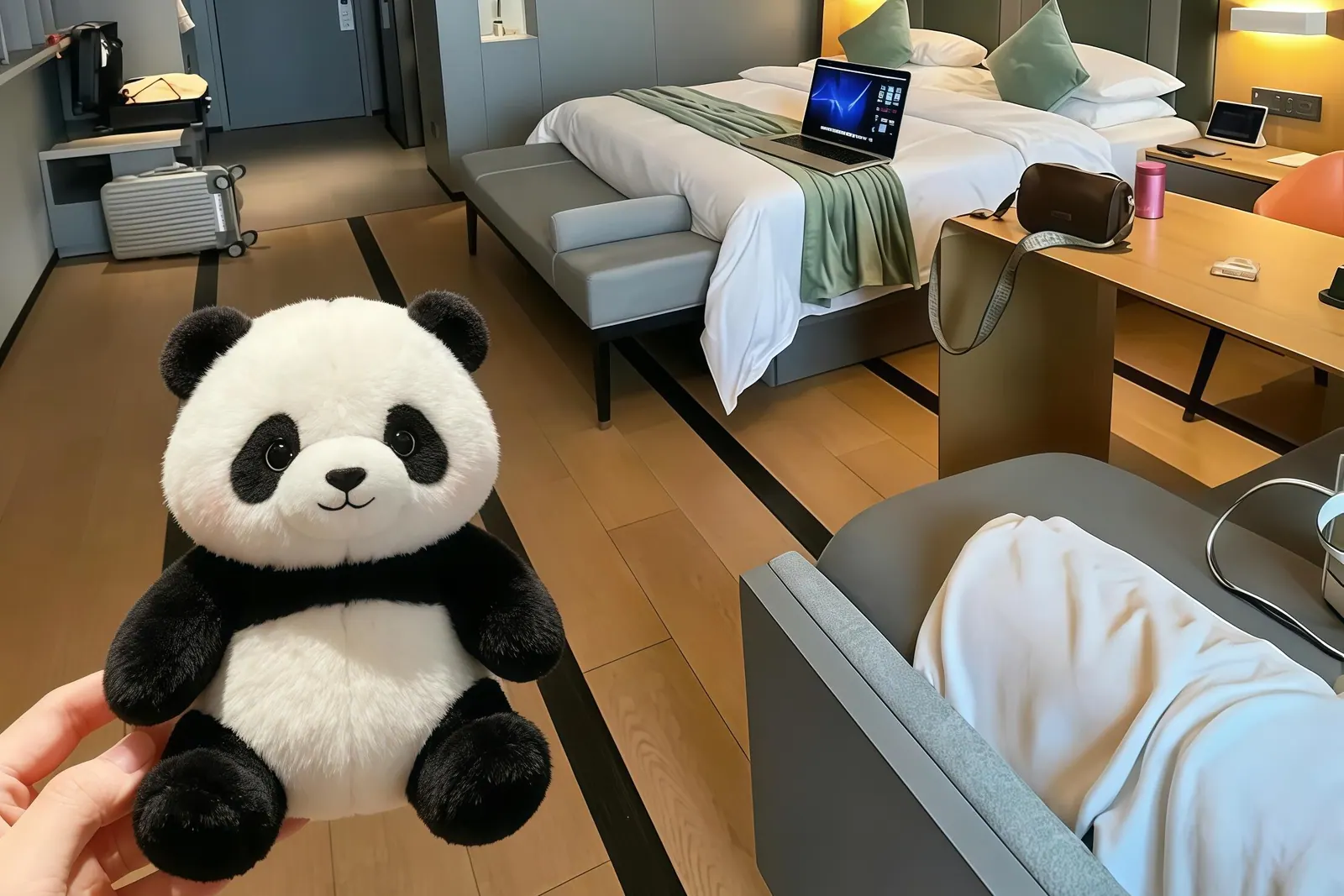
Use the family hotel-room checklist for occupancy, beds and internal connections. Ask each property about the actual occupants. A two-room booking does not automatically permit minors to occupy one alone, and a suite does not necessarily provide a second private bedroom.
A Readiness Conversation Before You Request A Quote
List the child's essential routine and strongest interests. Mark what would make participation difficult: long standing, unsuitable food, missing room features or too many moves. Decide which adults cover supervision and any split outing. Then choose a few shared experiences and a workable number of bases.
Ask for a dated proposal that answers those requirements rather than simply confirming that children of that age are welcome. Review unresolved supplier questions before paying. The right time to travel is when the design and actual arrangements fit the family, not when a generic age chart says the child has reached a perfect year.
Expert Insider Tips
Choose The Design Before Deciding The Year Is Right
Review the 12-day family journey with pandas with the children's actual interests and routines. Request a proposal showing the usable days, room setup and alternatives where needed. If the starting route does not fit, change its bases or activities rather than expecting the children to fit an age-based template.