Answer Brief
The Answer, Briefly
China with kids is easier to plan when each day has one main experience, reliable meals and a realistic way to stop. Choose a selected palace visit, a manageable Great Wall route or a focused panda morning instead of expecting children to complete an adult checklist. Count transfers, toilets, standing and room access as part of the day. Private guiding can adapt explanations and agreed flexible activities; parents still need clear supervision, transport and essential supplier arrangements.
The private family travel planning hub turns ages, rooms and priorities into a booking brief. This guide concentrates on the day itself: what the family does between breakfast and the hotel, and where a promising schedule can become difficult to use.
Choose A Main Experience Rather Than A Long List
Ask the children what they are curious about. A younger child might enjoy counting roof animals, while a teenager may want to understand how palace rules expressed power. The same site can support both interests without giving everyone an identical worksheet or requiring a long lecture at every stop.
Set a modest shared goal. At a museum, it might be understanding one object or comparing two figures. At the Great Wall, it might be observing how towers follow the ridge. Completing that goal gives the family a satisfying stopping point even if weather, crowds or energy shorten the visit.
Do not turn every meal, transfer and spare afternoon into another mission. Children need unstructured time too. A good guide can invite questions and use objects or photographs where permitted, but the most engaging activity is not always the one with the largest collection of props or promises.
A Practical Daily Decision Table
| Part of the day | Useful family decision | Warning sign |
|---|---|---|
| Breakfast and departure | Match the start to a real ticket or activity window | An early departure with no breakfast arrangement |
| Main visit | Select the route and a clear stopping point | Every gallery or tower is compulsory |
| Meal | Choose a realistic location and reliable options | A distant restaurant added only for its reputation |
| Afternoon | Rest, short nearby outing or a specifically booked activity | Free time that depends on unconfirmed transport |
| Evening | Keep the next morning in view | A late show immediately before packing and an early train |
| Return option | Name accompaniment, pickup and hotel access | One guide expected to be with two groups at once |
Use this as a conversation rather than a universal timetable. Some children enjoy an early start; others need a slower morning. The point is to connect activities and services coherently, not to promise the same return hour for every family and date.
Beijing: Make The Palace Visit A Selected Route
The Palace Museum is a large public site with operating and reservation rules. Obtain the appropriate reservation before treating the visit as fixed. Official visitor information states seasonal hours and Monday closure exceptions; a private guide cannot make a closed date available or override ticket inventory.
Before entering, explain what the family is looking for and how the visit ends. Choose a route around interests and actual walking tolerance. Historic paving, thresholds, standing and the approach from permitted drop-off points remain part of the outing. Do not assume an internal sightseeing cart or private shortcut.
Useful questions include why a courtyard is shaped as it is, how a building signals rank, or what a child notices before the adult explanation begins. Pause for observation rather than a continuous commentary. If a planned session uses replica objects or a seated venue outside the palace, confirm that service separately.
Leave the rest of the day in proportion. A substantial palace morning plus another large site may be too much for the actual party. A shorter neighborhood activity or a hotel return can preserve interest for tomorrow rather than making every day feel like a race to finish.
Mutianyu: Make The Return Part Of The Goal
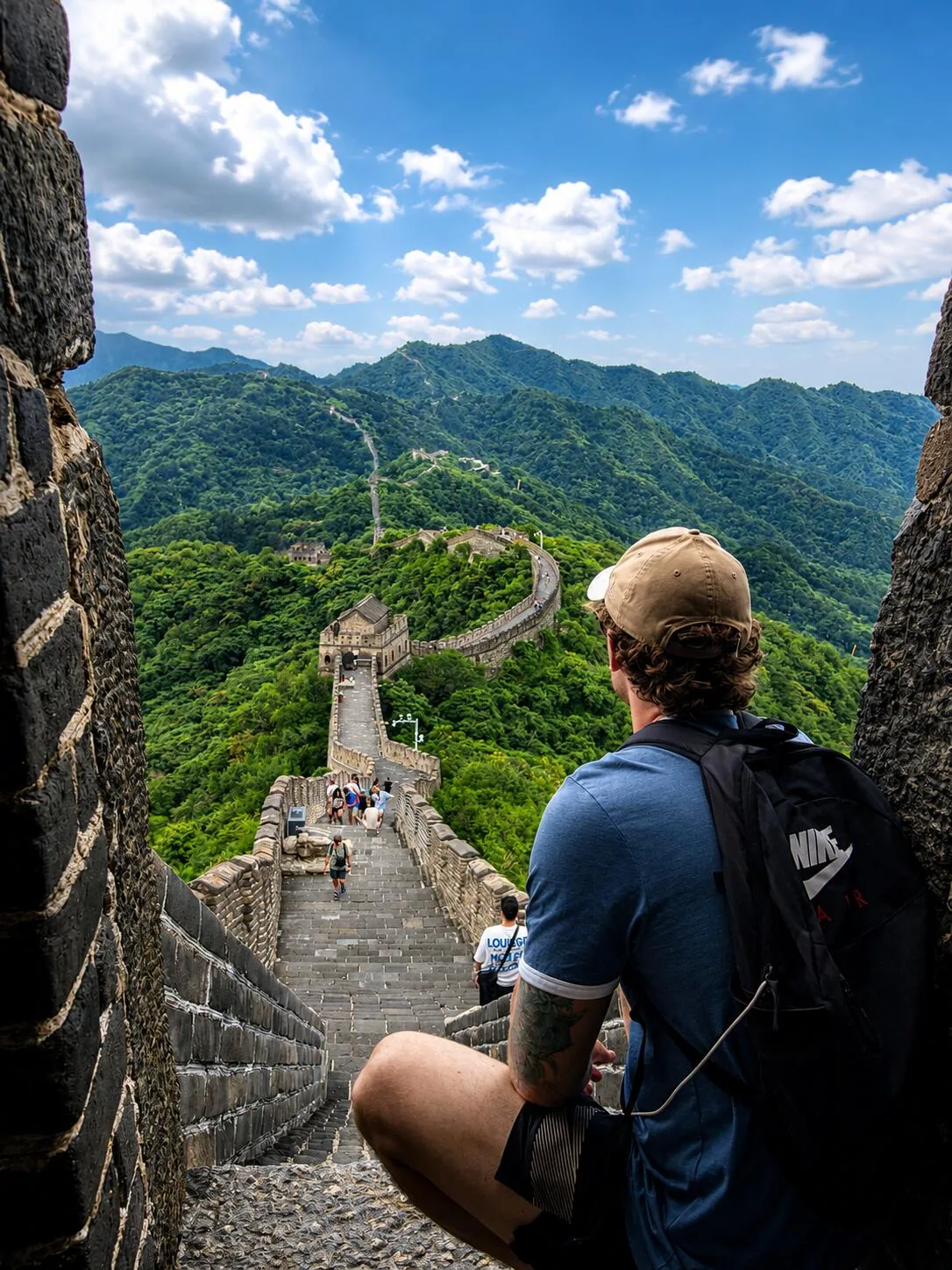
The Wall follows a mountain ridge. Steps, slopes and uneven paving remain after lift travel. Choose the actual ascent and descent, then define the section that the family can comfortably return from. Do not let reaching a farther tower become the only measure of success.
The Mutianyu family guide covers lift choices, mixed ages and reunion plans. Child suitability, current operations and boarding requirements must be checked for the selected service. An appealing toboggan photograph is not evidence that every member can or should use that descent.
Count the road journey, entry procedures and meal as part of this outdoor day. Keep water and layers accessible, follow current staff instructions, and preserve an alternative if weather affects operations. A private vehicle changes how the road segment is organized; it does not remove public queues or create an empty wall.
Xi'an: Connect Observation With A Hands-On Activity Carefully
At the Terracotta Warriors, invite children to compare faces, hairstyles or formations without encouraging touching or crossing barriers. The museum remains a public archaeological attraction with viewing spaces, standing and circulation between areas. Planned entry timing is not a skip-the-line guarantee.
A clay-warrior studio can extend the interest, but it is another booking with travel, duration and materials to consider. Confirm the host, age suitability, supervision and how objects are dried and packed. A family should not discover at departure that a fragile wet piece cannot be carried as expected.
Keep the activity optional in the planning stage if it would overload the day. Some children will prefer the studio; others may want a quiet afternoon after the museum. A short focused experience can be more worthwhile than preserving both at full length simply because they appear together in a sample itinerary.
For a concrete four-city starting route, review the 12-day family journey with pandas. Its eleven nights and three intercity moves need to fit the children's actual routine before individual activities are added or upgraded.
Chengdu: Observe Pandas Without A Performance Expectation
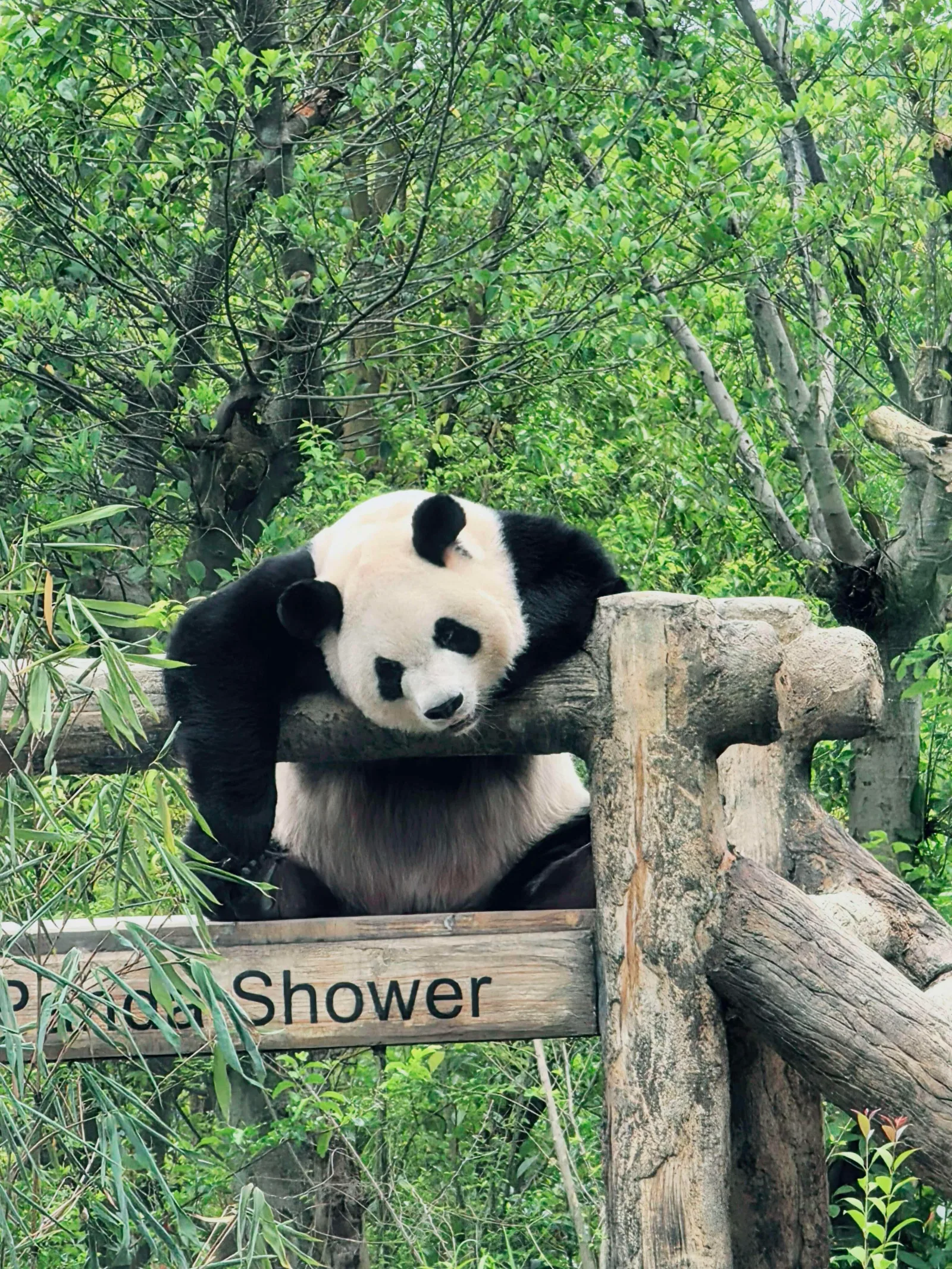
Explain before arrival that animals may be resting, indoors or out of view. A successful visit does not require a panda to climb, eat or pose. Ask children to notice habitat features and what they can actually observe, keeping explanations separate from guesses about an animal's mood.
The panda-base family guide distinguishes the city base from regional alternatives and covers current ticket and visitor notices. The facility controls animal access. An early entry gives more usable morning time but cannot guarantee particular behavior or a quiet viewing rail.
Do not plan touching, feeding or staged contact as a reward. Follow barriers, keep voices down and respect photography rules. A guide can adapt the discussion; a specialist educator, keeper session or other restricted service exists only if explicitly authorized and confirmed, not because the tour is private.
Shanghai: Give The Final Full Day A Clear Focus
In the published family route, Shanghai has two nights after the Chengdu flight. That usually leaves one principal full-day window, subject to the actual flight and departure arrangements. A kitchen lunch and farewell dinner already shape the day; a long additional sightseeing circuit may erase its protected break.
A neighborhood walk can use buildings, street patterns or the river skyline as conversation starters. Keep the route coherent rather than driving repeatedly between distant highlights. Check the selected entrance, crossings and rest option instead of assuming a modern city is effortless for a stroller or older relative.
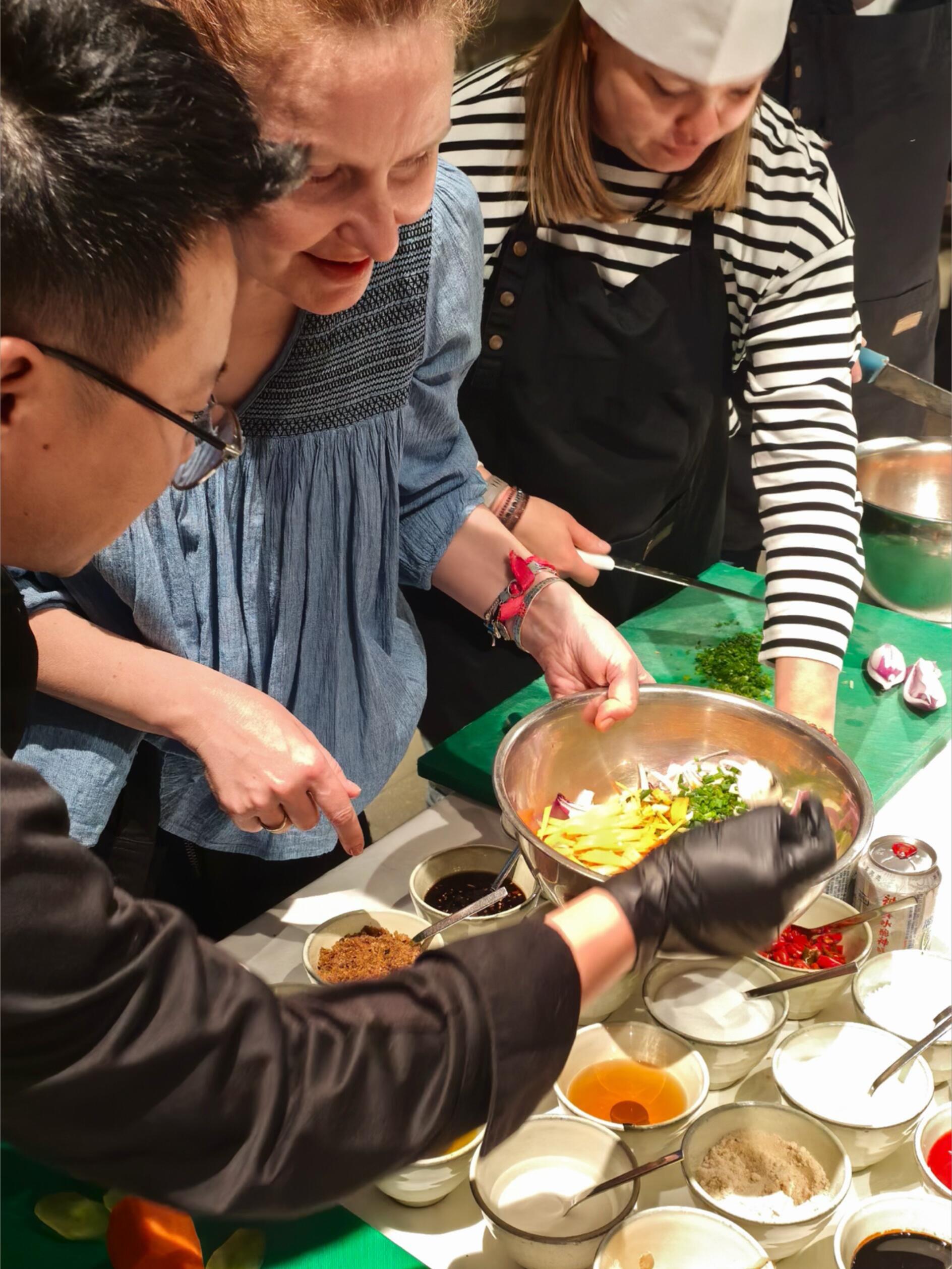
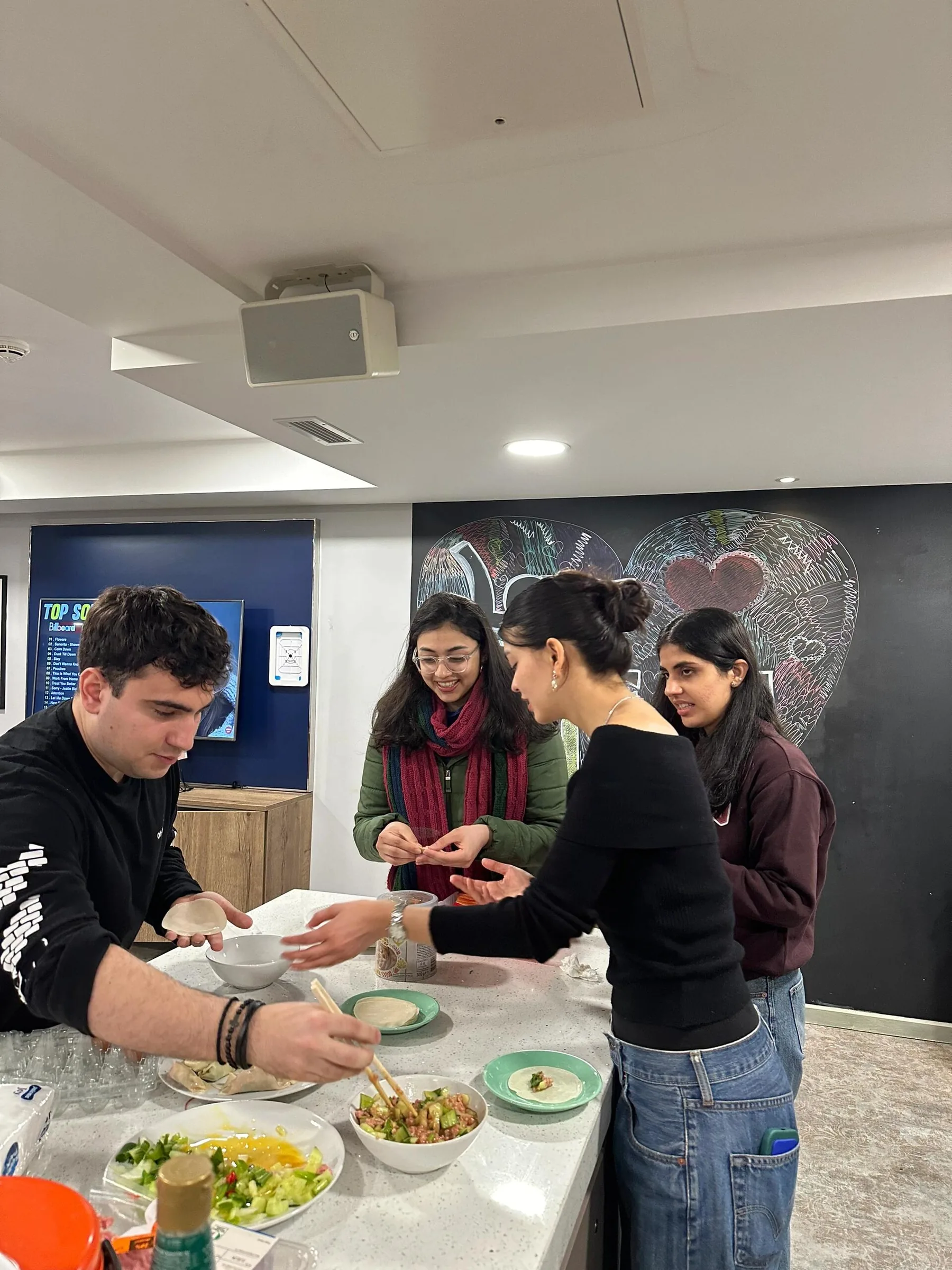
If a workshop is the main experience, ask what is included, how long it lasts and how children participate safely. Do not assume every cooking class can meet every allergy requirement or that the presence of a host transfers supervision away from the parents.
Keep Food Practical Without Making Safety Assumptions
List what each child reliably eats and distinguish flexibility from essential restrictions. Familiar breakfast options and a simple lunch can support curiosity later. Choose a meal that fits the route rather than requiring a long transfer when the children are already hungry.
Use the China food-allergy guide for allergens, cross-contact questions and backups. A translated card or fluent explanation helps communication but does not verify a kitchen's practices. A higher price, private room or international hotel does not establish allergy control.
Keep the clinician-advised emergency plan and prescribed medication accessible to the responsible adult. FARE recommends advance communication and companion preparation. Its US airline and security information should not be treated as Chinese import or aviation rules; check the relevant carrier and authorities separately.
Treat Transfers As An Activity With A Beginning And End
For rail days, write the sequence from room checkout through cases, road transfer, station procedures, train and arrival pickup. China Railway requires the relevant valid identification associated with the booking. Keep documents available and do not treat an itinerary printout as a valid ticket.
Assign bags before leaving the hotel. Keep essential items accessible, including documents, medication, food that meets the child's needs and a change of clothing where useful. The plan should specify who helps at each handover and whether a guide actually travels on the train.
A private family booking does not automatically supply a porter, luggage forwarding, a child restraint or personal care. Confirm the actual vehicle, passengers, cases and equipment. For flights, use the operating airline's current baggage and assistance procedures rather than assuming the rail arrangement carries over.
Supervision And A Simple Fallback
Agree who accompanies each child in public spaces, during toilets and if the party separates. A guide may be leading an explanation or managing a reservation; that does not establish independent childcare. If mobile reception fails, use a pre-agreed meeting point and keep the adults' operating contact available.
Before a demanding day, identify the stop that can be omitted and how the return works. If one adult leaves with a tired child, confirm whether another vehicle or a change in guiding is required. An activity is not genuinely optional when removing it leaves the family without a workable return.
A Short Checklist For The Next Morning
Review the reservation and departure, breakfast, documents, weather, necessary equipment and who carries essential items. Tell children the main goal and what the afternoon may look like. Keep uncertainty honest: the family can control preparation and behavior, while public operations and animal activity remain outside the itinerary's control.
After the visit, ask what interested the children and what was tiring. Use that answer to adjust genuinely flexible elements in the next day, within the confirmed services. A responsive trip develops from the actual travelers rather than demanding they conform to every original plan.
Expert Insider Tips
Choose A Route That Supports The Family Day
Use the 12-day family journey with pandas to request an outline around the children's ages, interests and routines. Ask where each day starts, what matters most and how it can end early. Those answers make a route easier to evaluate than a long list of child-friendly activities.