Answer Brief
The Answer, Briefly
Place recovery time in a China itinerary for seniors around the parts that create the most strain: international arrival, major public-site visits and intercity moves. Extra days help only when they remain useful for rest or a genuinely optional activity. Compare the ten-day Beijing, Xi'an and Shanghai route with the twelve-day version by nights and usable windows, not attraction count. Neither duration guarantees a daily step limit, fixed hotel return or continuous access; the actual travelers and confirmed services determine the fit.
Key Takeaways
- Count hotel nights separately from sightseeing days and calendar-day labels.
- Protect arrival and transfer windows before adding optional visits.
- Put extra time where it helps the route rather than filling every gap.
- Confirm the services available during rest or split-party periods.
Use the China tours for seniors hub to compare the overall service and access questions. This guide focuses on where to place recovery windows within a three-city trip. Recovery here means time reserved for the traveler's preferred rest and rhythm, not a medical outcome or prescribed treatment plan.
Begin With Nights And Fixed Movements
A ten-day itinerary normally contains nine hotel nights; twelve days contain eleven. Those totals do not establish how many full sightseeing days are available. Arrival and departure timings, intercity services and room access determine the usable time. Count those movements before deciding whether another attraction fits.
For AVIORA's current ten-day Beijing, Xi'an and Shanghai route, the published distribution is four Beijing nights, two Xi'an nights and three Shanghai nights. The twelve-day Easier Pace route uses five Beijing nights, three Xi'an nights and three Shanghai nights. Both require current dates and supplier arrangements to become a confirmed booking.
The extra nights therefore sit in Beijing and Xi'an, not Shanghai. That is the practical difference to assess. If a traveler particularly needs more time before the final international departure, ask about changing the distribution rather than assuming the longer product automatically adds a rest day everywhere.
Compare What The Extra Nights Can Accomplish
| Planning point | Ten days: four / two / three nights | Twelve days: five / three / three nights |
|---|---|---|
| Beijing arrival | Rest must fit alongside the selected main visits | Another night can support a more flexible first-city sequence |
| Palace and wall visits | Each needs a realistic principal window | More room to separate demanding visits or preserve a spare window |
| Xi'an stay | One full day between the two hotel nights | Another night can support recovery or a limited second activity |
| Shanghai finale | Three nights, subject to flight timings | Still three nights; extra finale time needs a different request |
| City changes | Two intercity moves | Still two intercity moves |
| Assistance and access | Must be confirmed separately | Must be confirmed separately; extra time does not supply care |
The table describes the published starting routes. It is not a promise of confirmed train times, tickets, early check-in or guide availability. Ask how the specific dated proposal uses each extra window and whether the resulting sequence fits the party.
Protect The Arrival Window
After an international flight, the usable day includes entry procedures, baggage, public arrival pickup, the road transfer and hotel access. A flight's landing time is not the moment the family is ready for a guided visit. Delays can consume an apparently convenient afternoon.
Leave arrival sightseeing optional unless the travelers want it and the service is explicitly arranged. A transfer does not automatically include an evening guide, waiting vehicle or performance booking. If an early room is essential, discuss the actual hotel arrangement and cost; a request for early check-in is not confirmation.
Allow the traveler to choose between rest and a short nearby outing once the real arrival is known. If the optional outing needs advance reservations, identify the cancellation consequences. Do not fill a protected recovery window with prepaid commitments that make resting feel like losing the holiday.
Separate Beijing's Two Principal Site Days
The Palace Museum and Mutianyu Great Wall each involve substantial movement beyond the headline attraction. The palace has public operating and reservation rules, while Mutianyu adds a road journey and site transport. They should be assessed as distinct principal outings rather than squeezed into one catch-all landmark day.
The Palace Museum's official visitor information lists seasonal hours and Monday closure exceptions. Check the actual calendar before positioning the visit. A rest window is not a reliable rescheduling buffer if the replacement date is closed or no eligible reservation is available.
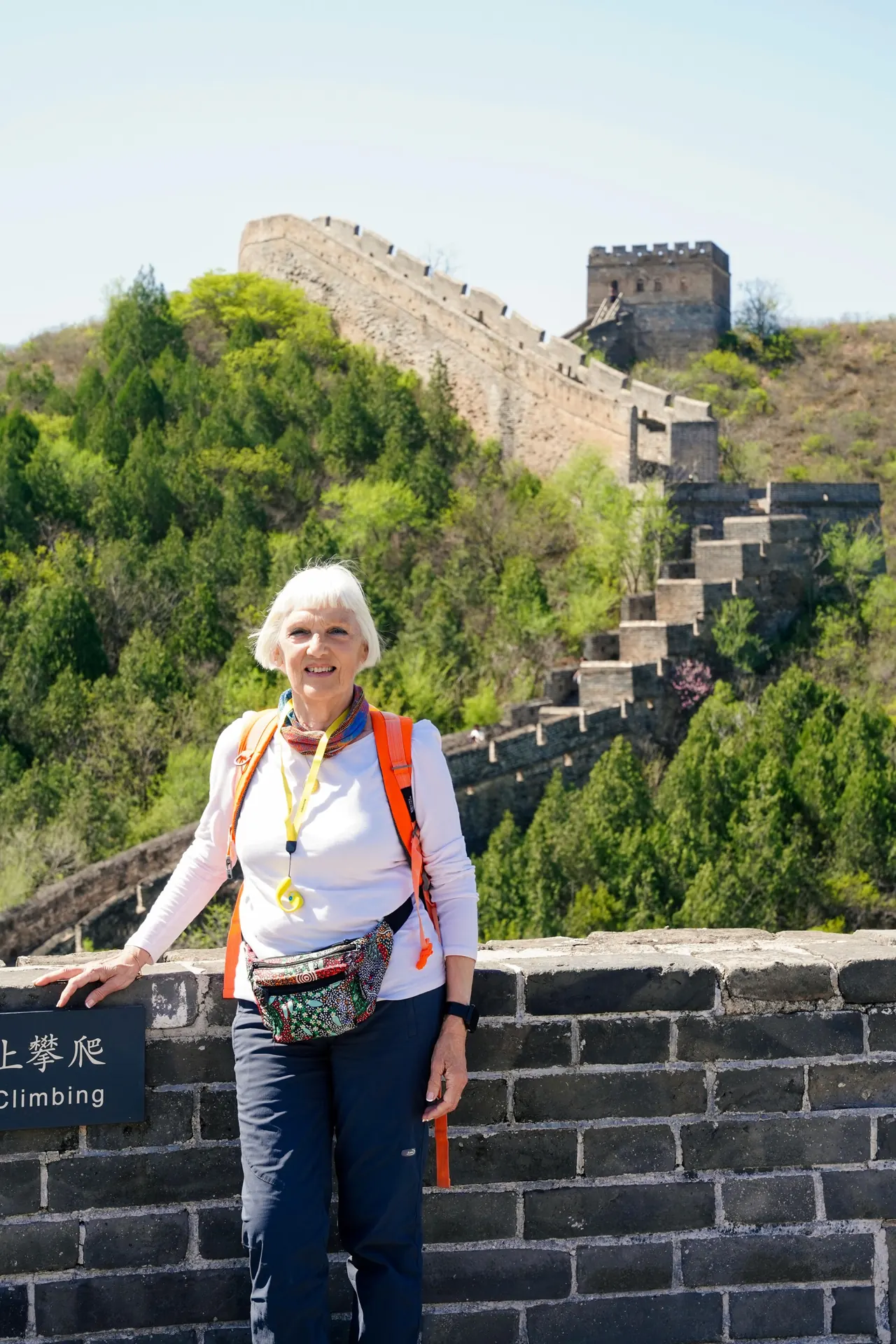
At Mutianyu, a lift can reduce part of the climb but does not establish continuous step-free access. Include boarding, upper connections and the intended viewing area in the assessment. A road or weather disruption can change the sequence. Keep another day flexible only to the extent that tickets, guide hours and supplier terms allow.
Between those outings, a traveler may prefer a fully independent day, a short guided neighborhood visit or simply a later start. These options use different services. Choose one deliberately rather than describing an unstaffed day as flexible support.
Keep The Rail Day Visible In The Schedule
The published three-city routes use high-speed rail between Beijing and Xi'an. Count checkout, cases, hotel pickup, station entry, security, boarding, rail travel and arrival pickup. A comfortable seat improves one segment but does not remove the rest of the day's workload.
China Railway's English guidance describes use of the valid identification associated with the booking. Keep the relevant passport available during station procedures. A printed itinerary sheet is not a substitute for the required document, and a seat upgrade does not establish porter service or a traveling escort.
Avoid using every apparent pre-train or post-train hour for sightseeing. The travelers may value a simple meal and access to the next room more than an extra museum. If an arrival activity is retained, identify whether it can be shortened or dropped without disrupting the essential handover.
Review the 12-day Easier Pace route with the entire rail day visible. Ask which additional night protects recovery and whether the services selected for that window match the travelers' expectations.
Decide What The Extra Xi'an Night Is For
With two Xi'an nights, the day between them is the main full-day window. If the Terracotta Warriors are essential, assess that visit first before adding another major excursion or a full evening. Public galleries, museum circulation and the return movement can occupy more energy than the attraction name suggests.
A third Xi'an night can create another usable window, depending on the actual arrival and onward flight. It might support a shorter second outing, a later start or an independent rest period. It should not automatically trigger another full-day activity simply because a supplier can offer one.
Keep city-wall activity, a performance or another museum tied to genuine interest and practical fit. A traveler can appreciate the ancient capital without completing every standard itinerary stop. Compare the resulting morning and evening together; a late show followed by early checkout can undermine the purpose of the added night.
The 12-day itinerary and support guide explains the wider published route. Use it alongside the night comparison rather than treating every day heading as a full day of included guiding.
Treat The Flight To Shanghai As Another Complete Move
The published routes use a domestic flight from Xi'an to Shanghai. The day includes airport transfer, airline procedures, boarding, baggage and public arrival pickup. Confirm the operating flight and the room arrangement instead of assuming an afternoon visit fits every departure.
If a wheelchair, powered mobility aid or airline assistance is needed, follow the operating carrier's process and confirm the relevant equipment and service arrangements. A private tour reservation does not itself establish airline acceptance or assistance at each handover.
Avoid placing a must-see, nonrefundable Shanghai activity in an arrival slot that depends on an uninterrupted flight day. Discuss a later window or a flexible alternative. This protects both the travelers' energy and the part of the visit they care most about.
Give The Shanghai Finale A Clear Purpose
Both starting routes retain three Shanghai nights. The final city might serve architecture, museums, the waterfront, shopping by choice or simply a less complicated finish. Decide which matters to the travelers rather than treating Shanghai as spare capacity for everything omitted earlier.
Choose coherent outings and practical stopping points. A riverfront walk, historic garden and large museum have different surfaces, entrances and standing requirements. A modern-city reputation does not prove every route is easy. Review the final full day and the international departure morning together.
If recovery before a long flight is essential, ask whether an additional Shanghai night or a different night distribution would be more useful. The twelve-day product is a starting framework. It is not evidence that its default allocation meets every person's particular needs.
A Rest Day Still Needs An Operating Plan
Confirm whether guiding, transport, meals or tickets are included during a free window. If the travelers need accompaniment, an empty calendar may be insufficient. If one person rests while the others continue, specify who stays, which vehicle serves which movement and whether additional arrangements are required.
The elderly-parents pacing guide addresses those split-party responsibilities. A family member should agree to accompany someone rather than discovering that the plan quietly depends on them. The guide cannot remain with two separated parties at once.
Room access, meals and essential medication or equipment should remain practical during the rest period. Confirm dietary requirements and any required hotel features independently. Tour guiding does not include personal or clinical care unless a suitable separate service has been explicitly arranged.
Use A Short Preparation Timeline
Before requesting a proposal, identify the two or three essential experiences, preferred starts and practical rest needs. During route design, mark arrivals, departures and both intercity moves. Then place major visits and protected windows around those fixed movements.
Before booking, check the actual operating dates, hotel nights, service coverage and cancellation terms. Keep unresolved essential access or assistance questions visible. Before departure, review confirmed arrangements and the contact process if a traveler rests or public operations change.
Use the daily pace audit to test the hardest remaining day. A well-positioned recovery window does not repair an unsuitable activity, and an additional night does not establish wheelchair access or a healthcare arrangement.
Expert Insider Tips
Request A Route With Protected Time
Review the 12-day Easier Pace journey with your preferred rhythm, essential experiences and assistance requirements. Ask for a dated outline showing hotel nights, full transfer days, protected rest windows and the services available in each. That makes the purpose of the extra time clear before you commit.