Answer Brief
The Answer, Briefly
A slow-paced China tour for seniors should pass a daily workload audit, not simply contain fewer attractions. Review the complete day from breakfast to room return: walking, standing, boarding, road time, meals and who helps if someone stops early. A private guide can adjust agreed flexible services, but cannot remove public-site distances or guarantee that a reserved activity can move. Ask the planner to show the hardest day and its workable shorter version before booking.
Key Takeaways
- Measure walking and standing separately; a short distance can still be tiring.
- Include the approach, queues, meals and return in the daily assessment.
- Confirm a real stopping option, including accompaniment and transport.
- Compare written services and limits rather than a slow-paced marketing label.
The China tours for seniors hub explains the broader route choices. This article focuses on evaluating one proposed day at a time. It complements a destination shortlist by testing whether the service plan actually delivers the intended rhythm.
Define A Comfortable Day With The Traveler
Ask the person traveling how they prefer to spend a normal active day. Useful details include continuous walking time, standing tolerance, stairs, uneven surfaces, usual meals and the need for a seated break. Ask which experiences matter enough to justify more effort and which can remain optional.
Avoid assigning one limit to everyone of the same age. Two siblings may differ in endurance, hearing, interests and confidence moving independently. If an adult child arranges the trip, involve the parents in the brief instead of interpreting comfort solely as the most expensive available service.
Use functional information rather than broad adjectives. Cannot stand through a long queue is more actionable than needs comfort. Requires an accompanied return is more useful than likes flexibility. Clinician-advised limitations belong with the appropriate professional; the itinerary should reflect the practical requirements without pretending to offer medical clearance.
Audit The Day In Six Parts
| Part of the day | Check | Common gap in a proposal |
|---|---|---|
| Getting ready | Breakfast, checkout and required departure | Late breakfast promised before an early reservation |
| Reaching the visit | Road time, legal drop-off and entrance approach | Only the driving duration is shown |
| Entering and moving | Security, standing, surfaces and required route | One precise step count with no route basis |
| Eating and resting | Suitable seating, meal window and toilet plan | Free time without a practical place to stop |
| Ending early | Exit, accompaniment and return transport | The same guide is expected to stay with two parties |
| Finishing | Hotel arrival, room access and next morning | A late finish followed by packing and an early train |
Ask the planner to identify uncertainty rather than filling every cell with a promise. Road conditions, public operations and crowd flows change. A useful assessment explains what can vary and how the day responds, including any service or cost consequence of the shorter version.
Count Standing, Surfaces And Transitions As Well As Distance
A step count alone misses several sources of effort. Standing at security or a viewing rail can be difficult even when the distance is short. Repeated boarding can also be tiring. Long smooth paths, historic paving, slopes and thresholds have different implications for different people.
If a proposal includes a walking estimate, ask what route it describes and what is excluded. Does it start at the vehicle, entrance or first exhibit? Does it include returning to pickup, finding a toilet or detouring around a closure? Avoid treating a number copied across unrelated sites as a verified limit.
The continuous-access checklist is useful when equipment, boarding or bathroom needs determine participation. Access and pace interact, but they are different questions. An accessible route can still be long, while a short route may contain an essential barrier.
Apply The Audit To A Beijing Palace Day
The Palace Museum has public opening and reservation procedures. Start with an eligible operating date and the actual reservation, then decide the selected visit. A private service does not create admission outside public arrangements or turn a large palace complex into a brief indoor stop.
Ask where the visit begins and ends, which sections are essential and what remains between the stopping point and legal pickup. Plan the break and meal around that sequence. Do not assume an internal cart, folding seat or special entrance unless the relevant arrangement is actually confirmed and permitted.
Treat a nearby additional sight as optional only if it can genuinely be omitted. If the restaurant, driver hours or next reservation require continuing there, it is part of the fixed day. The map may make two sites look close while their entrances and visitor circulation create a longer connection.
Apply It To A Mutianyu Outing
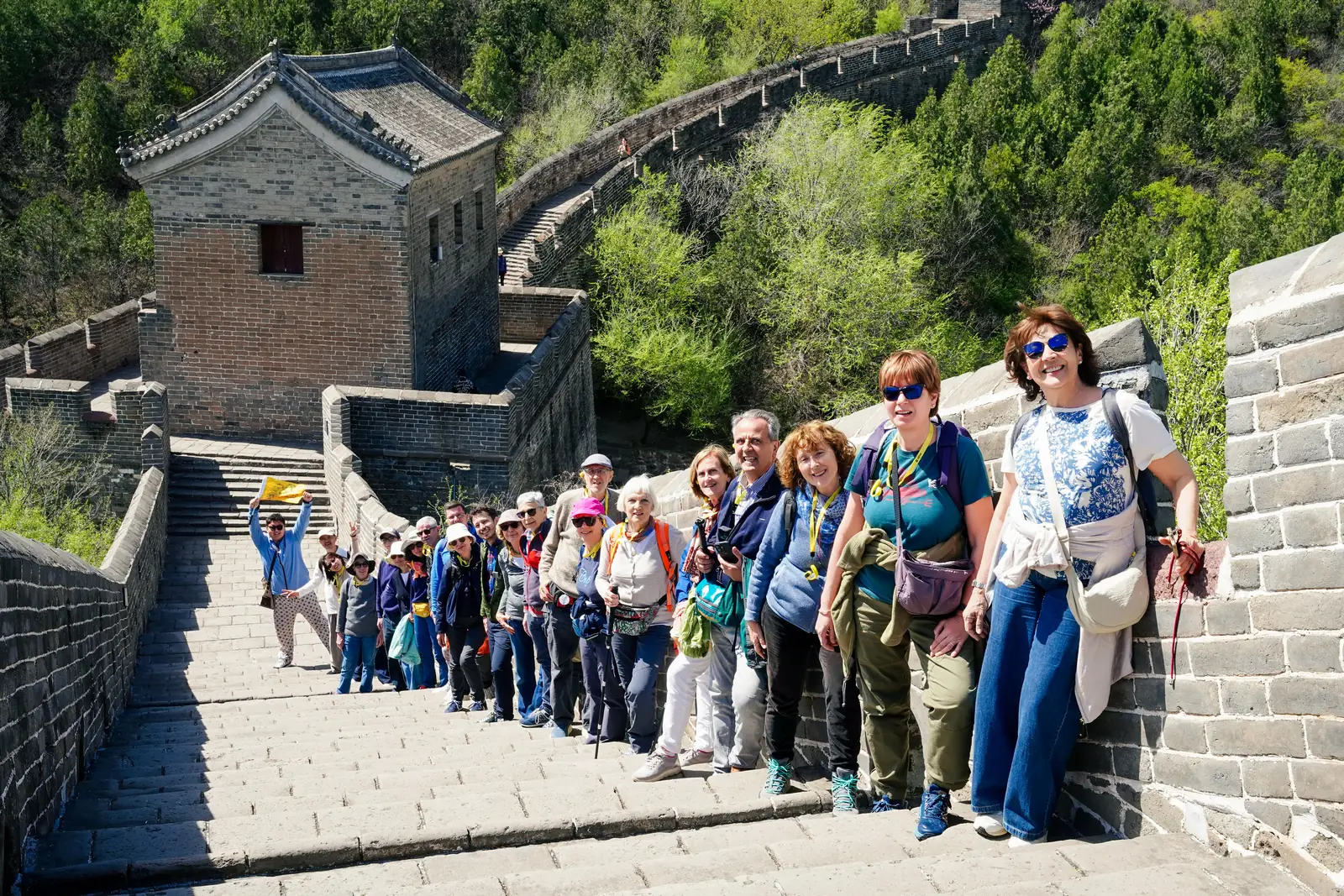
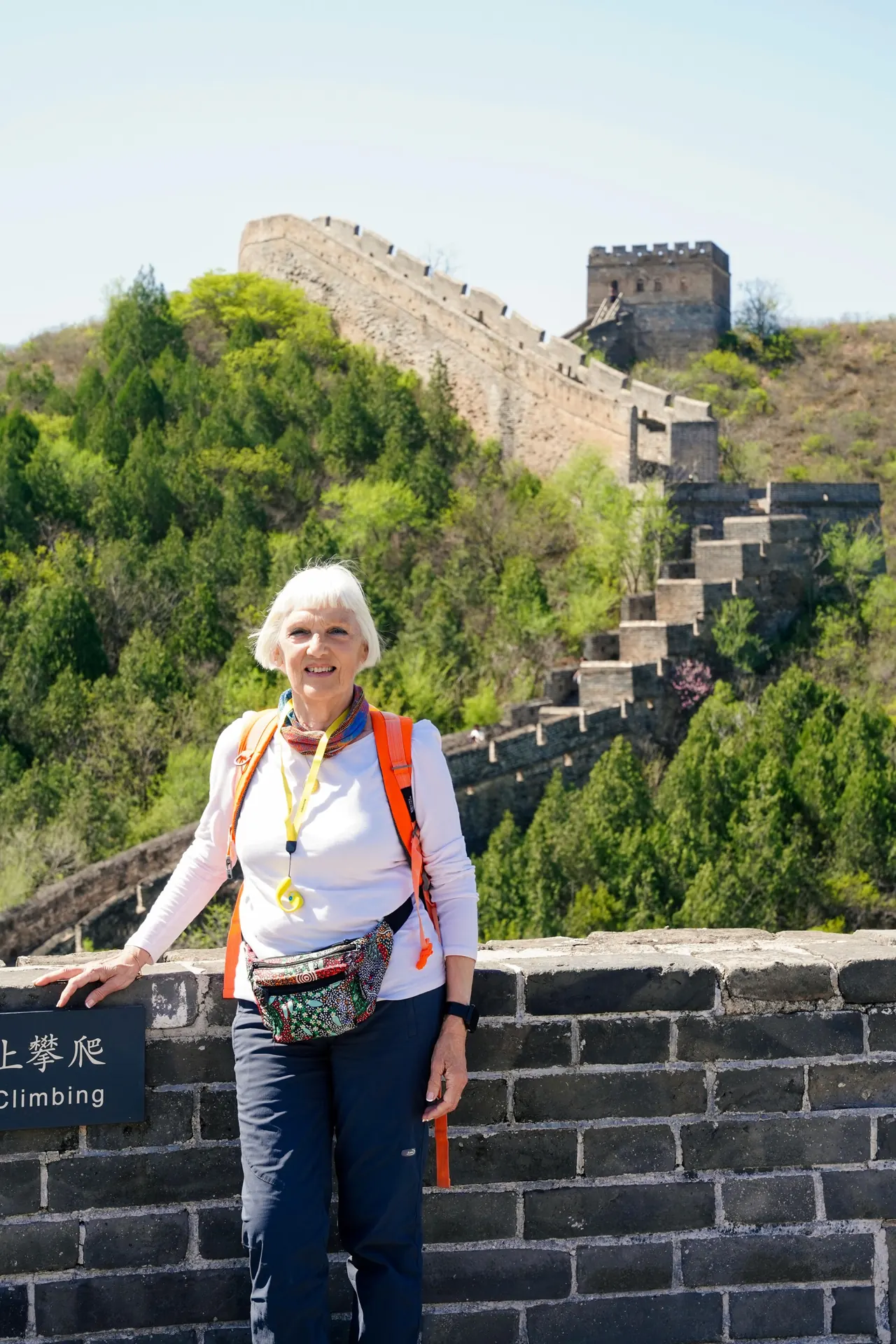
A Mutianyu day combines travel from Beijing, site entry, internal transport where relevant, lift access and the chosen wall-viewing route. The lift is one segment. Its presence does not establish a continuous step-free route or eliminate waiting and standing.
Confirm the selected transport product and boarding requirements, then assess the upper connection and intended viewing area. Public operating notices and weather can affect the plan. Establish whether a shorter visit or replacement activity is acceptable if the essential access segment is unavailable.
The hotel return needs the same attention as the outward journey. A midday finish should be an itinerary intention based on the actual services, not a guaranteed return time repeated across all dates. Road travel and public operations can change the outcome; leave the next commitment flexible where possible.
Put The Main Experience Before The Optional Extension
A useful day identifies what the travelers came to see, what can be shortened and what can be omitted. At the Terracotta Warriors, that means selecting the meaningful museum visit before adding another attraction or a full evening program. A guide can explain priorities without promising empty galleries or control of public queues.
In Shanghai, choose a coherent neighborhood or riverfront outing instead of repeatedly crossing the city to complete a long landmark list. A seated stop is helpful only if it exists on the workable route, at a suitable time, and can meet any essential requirements.
Use the senior destination comparison to decide which places deserve the effort. Reducing an unwanted addition can improve the day more than paying for a premium upgrade while keeping every activity unchanged.
To discuss how this applies to a complete trip, review the 12-day Easier Pace journey and request a service outline based on the travelers' own comfortable day.
Ask What Happens When One Person Stops Early
Write the split-party scenario into the proposal review. If one parent returns to the hotel while others continue, who accompanies them? Is another vehicle needed? Does the guide remain with the sightseeing party? Are the room and essential personal items accessible to the person returning?
A driver can operate a vehicle but should not be assumed to provide personal care. The guide cannot accompany one traveler into the hotel and simultaneously lead others at a distant attraction. If a family member takes responsibility, agree that with them rather than quietly relying on their availability.
The same issue arises on a fixed departure. The group-tour pacing assessment checks the actual opt-out plan and hardest day. Private travel offers different control over services, but neither format makes an incomplete return arrangement workable.
Build Meals And Rooms Into The Pace Assessment
A long drive to a restaurant can undo the benefit of a short visit. Review where the meal fits, how long the traveler expects to wait and whether essential dietary requirements can be addressed. A private dining room or a hotel restaurant does not by itself establish allergy safety or clinical suitability.
Room access matters on arrival and any rest return. Early check-in is a request unless confirmed under the booking terms. A late arrival followed by an early departure can make an otherwise well-equipped hotel less useful for recovery. Check the actual category, required bathroom features and the route from legal drop-off.
Free time also needs a service definition. State whether it includes guiding, a waiting vehicle, reserved tickets or only independent time. If the traveler depends on accompaniment, an unstaffed afternoon may fail the comfort brief even though the itinerary displays an empty calendar.
Treat Transfer Days As Their Own Workload
A high-speed train day includes checkout, cases, hotel pickup, station procedures, boarding and arrival movement. China Railway's passenger guidance requires the relevant valid identification associated with the booking; an itinerary printout is not a substitute. Leave the passport available during the process.
Clarify who manages bags and where the local guide changes. A comfortable seat does not provide a porter or a traveling escort. If those services are required, confirm them separately. The driver at arrival needs a practical meeting arrangement, not an assumption that they can appear on the platform.
For flights, add airline procedures, baggage collection and the public arrival meeting point to the same audit. Compare whole transfer days before deciding that one mode is always easier. The usable timetable and the traveler determine the answer, not the train or aircraft label alone.
Review The Service Plan Before Paying
Ask for a version showing the daily main activity, optional extension, expected service window, essential requirements and unresolved points. Identify what happens if a ticket is unavailable, public operations change or someone elects to rest. Flexible services and fixed reservations should be described clearly enough to assess.
The 12-day Easier Pace journey is a starting point for this discussion. Its additional nights are useful only when the selected days actually serve the travelers' rhythm. Ask the team to apply the daily audit rather than automatically filling the extra time with more sightseeing.
Expert Insider Tips
Request A Day-By-Day Review
Send the travelers' priorities and practical requirements, then use the 12-day Easier Pace route to request a dated service outline. Ask for the main activity, stopping option and remaining uncertainty on each demanding day. That makes pace a reviewable part of the proposal instead of an adjective in its title.