Answer Brief
The Answer, Briefly
The best places in China for seniors depend on the traveler and the actual route through each place. Beijing, Xi'an and Shanghai form a useful first-visit shortlist for imperial history, archaeology and contemporary city life, but none is automatically easy or accessible. Add Chengdu or Guilin only when the extra transfer and the specific visit fit your priorities. Compare required walking, standing, boarding, hotel moves and recovery time before choosing from photographs or an age label.
Key Takeaways
- Choose a manageable sequence of visits, not a city with an easy-travel reputation.
- Treat a cable car, sightseeing cart and river cruise as separate access checks.
- Allow for the full intercity move before adding a scenic extension.
- Confirm personal assistance, rooms and healthcare planning separately from destination choice.
Start with the China tours for seniors hub to compare the wider service questions. This article helps narrow the map without ranking cities by presumed medical safety or promising that modern infrastructure makes every sightseeing route suitable.
Build A Shortlist From The Travelers' Priorities
Ask each person to name two experiences they would regret missing. One parent may want the Terracotta Warriors while another prefers gardens, food and a seated performance. These priorities give you a reason to accept particular travel effort. A fourth city that satisfies no strong interest often adds more packing and transit than value.
Next describe a comfortable ordinary day: continuous walking time, tolerance for standing, steps and uneven surfaces, preferred meal windows and whether independent rest is possible. These details matter more than whether the traveler is sixty-five or eighty. Different members of the same family may need different routes through one attraction.
Do not turn the shortlist into a health clearance. A traveler who needs clinical support, specific equipment or assistance with transfers should discuss the journey with the relevant professional and confirm services before making nonrefundable commitments. A major-city address does not establish appropriate treatment, language support or insurance acceptance.
Compare Destinations By The Visit You Would Actually Make
| Destination | Reason to include it | Effort to investigate | Possible planning adjustment |
|---|---|---|---|
| Beijing | Palace history and a Great Wall visit | Palace-scale walking, standing and wall access | Separate the principal palace and wall days; verify each access segment |
| Xi'an | Terracotta Warriors and the ancient capital | Museum approach, pit circulation and intercity move | Protect one main museum window; keep city-wall activity optional |
| Shanghai | Riverfront, neighborhoods and city museums | Pavement, public crowds and distances within large buildings | Choose one neighborhood cluster rather than repeated river crossings |
| Chengdu | Pandas and Sichuan city culture | Base entrances, internal paths, gradients and queues | Select a limited panda-base route and a separate flexible afternoon |
| Guilin and Yangshuo | River scenery and countryside | Cruise boarding, pier exit and onward hotel transfer | Confirm the actual vessel, docks and luggage plan |
| Mountain or high-elevation extension | A strong personal landscape interest | Stairs, transport interruptions, elevation and assistance limits | Assess the named route separately before accepting the extension |
These are planning questions, not accessibility or hospital ratings. A shorter chosen route in a demanding destination may fit one person; a large flat museum may still exhaust another through standing and distance.
Beijing: Separate The Palace From The Wall
Beijing earns its place when imperial history and the Great Wall are priorities. The Palace Museum is a substantial public site. Its visitor information specifies seasonal opening hours and booking requirements; a private guide does not create extra open days or remove mandatory public procedures. Avoid making it the automatic activity after a long overnight arrival.
Choose the palace route with the traveler, including which sections matter and where the visit ends. Historic paving, thresholds, visitor flows and distance still require assessment. A map showing an accessible facility does not establish uninterrupted access from hotel vehicle to every exhibition. A short description such as central axis is not a measured walking plan.
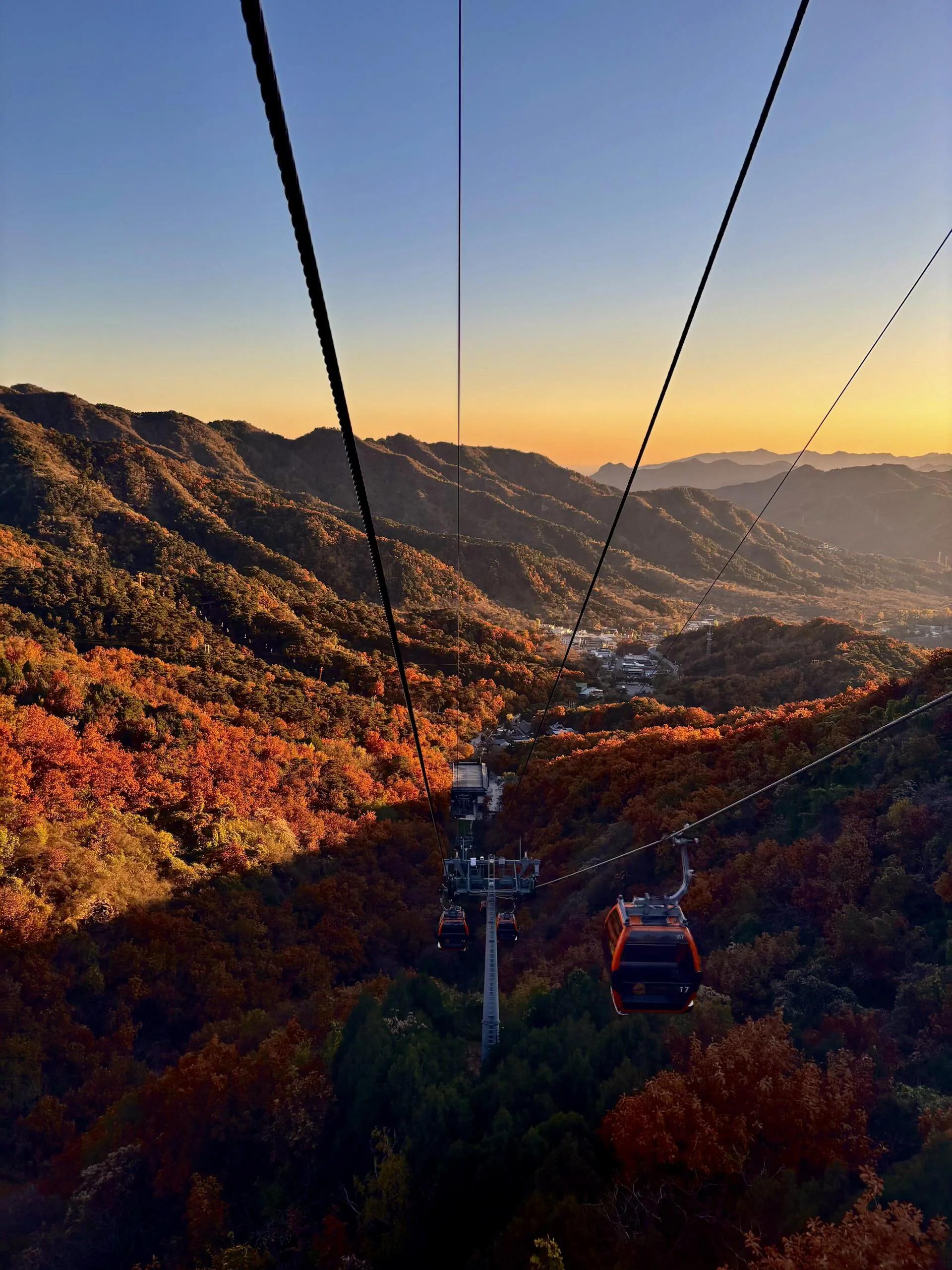
Mutianyu is a separate travel day with road travel, site procedures and the approach to the lift. The Great Wall access guide explains why an enclosed cable car does not prove a completely stair-free visit. Verify boarding, the upper connection and the actual viewing area; do not promise that every traveler can reach the same watchtower.
A useful Beijing stay keeps another window flexible around those two principal visits. It may support rest, a selected neighborhood walk or a replacement if operations change. That flexibility has value only when the proposal identifies which guide, vehicle and ticket arrangements can actually move.
For a practical three-city starting point, review the 12-day Easier Pace route. Request an outline showing how the palace, wall and onward travel fit around the family's preferred rhythm.
Xi'an: Protect The Archaeology Day
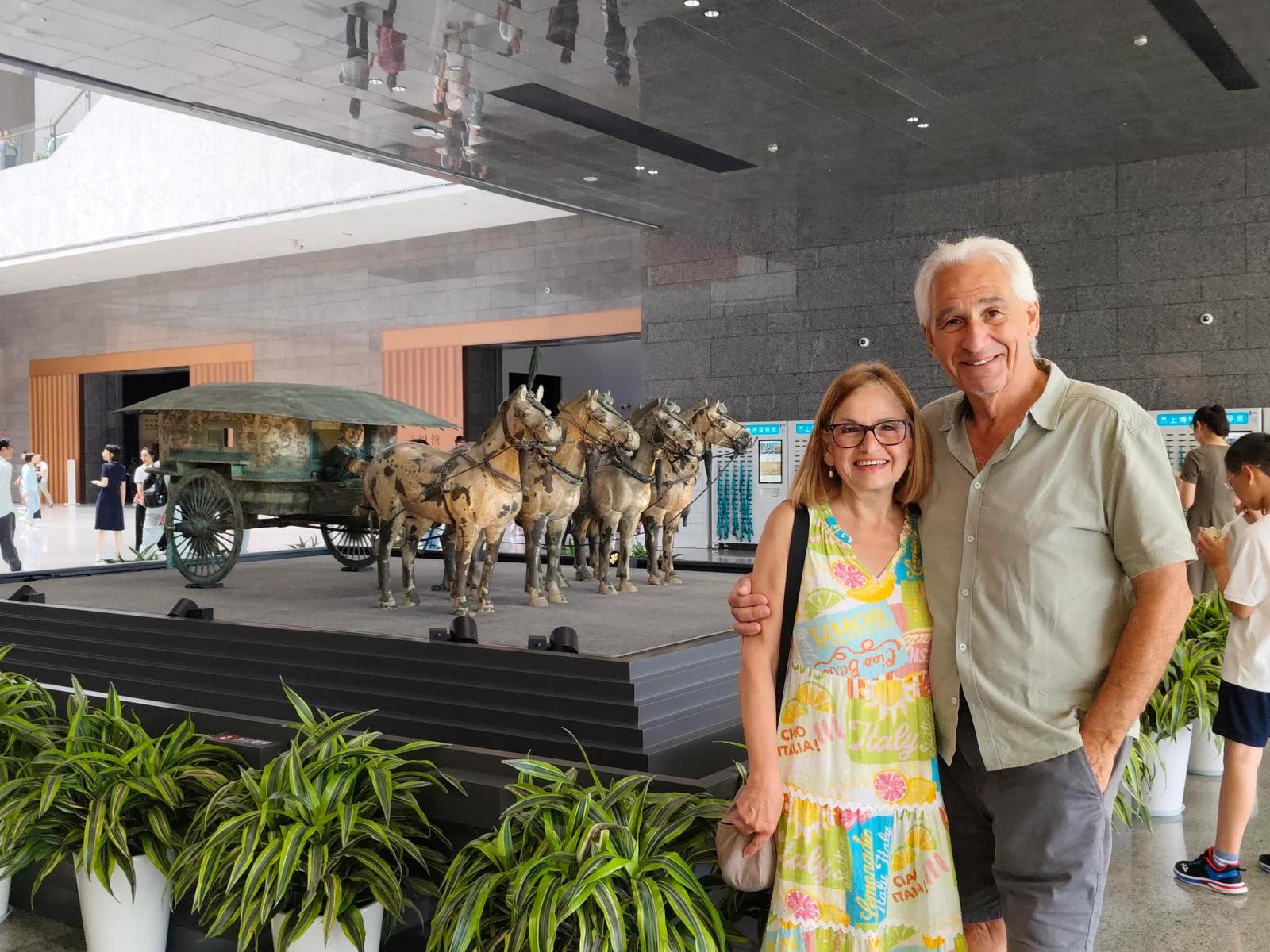
Xi'an is a strong choice when the Terracotta Warriors are a central interest. The museum visit includes the approach, public galleries, pit viewing and the return movement. Flat sections can still involve long standing or crowded viewing edges. Do not describe the whole experience as effortless because the principal attraction is a museum.
Ask which entrance and exit apply, where legal vehicle access ends, and whether any optional site transport serves the relevant segment. A cart, if operating and suitable, does not replace circulation inside every exhibition. Keep a secondary museum or evening performance optional if it would remove the only recovery window.
The city wall is a different access question from the Terracotta Warriors. Confirm the selected gate and feasible activity rather than treating walking or cycling on the wall as compulsory. A traveler can value Xi'an's archaeology and city history without completing every common itinerary item.
Shanghai: Make The Final City Genuinely Manageable
Shanghai works well for travelers interested in the riverfront, architecture, neighborhoods or museums. It can also be a useful final base before an international departure when the actual flights support that sequence. It should not inherit an automatically packed finale because a planner calls it the easy city.
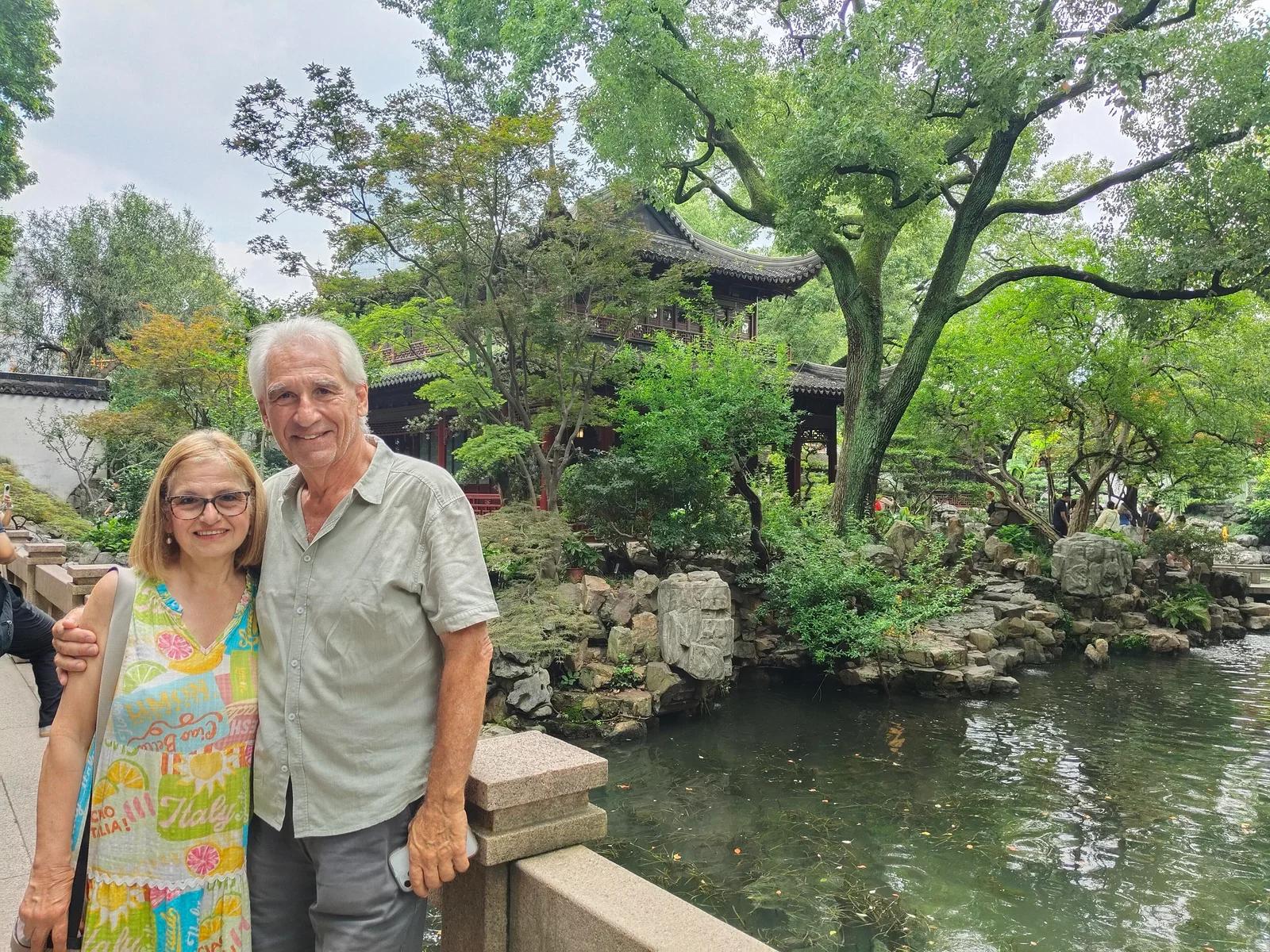
The Bund is a promenade, while Yu Garden has a different circulation pattern and historic features. A neighborhood walk, a large museum and a cruise each need separate assessment. Smooth sections of pavement do not establish a continuous suitable route across crossings, entrances, toilets and the hotel approach.
Group nearby interests into one outing and keep a clear stopping point. If part of the family wants a longer evening, confirm who accompanies the person returning and whether a second vehicle or additional service is needed. A shorter visit works better when the return arrangement is real rather than improvised at the curb.
Should You Add Chengdu For Pandas?
Add Chengdu when pandas or Sichuan culture are a strong reason for the journey and you have time for the move. The panda base is a public attraction with a selected entry point, paths, gradients and animal-viewing conditions. Do not promise a particular animal position or a quiet viewing rail at a fixed time.
An early visit may be worth discussing, but first test breakfast, the road journey, entry time and the traveler's preferred start. A sightseeing vehicle, where available, has its own route and operating conditions; it does not guarantee door-to-enclosure access. Select the meaningful portion of the visit instead of aiming to cover the whole base.
The extension also needs hotel nights and an intercity movement. Compare those costs in energy against another recovery day in an existing base. Chengdu is not an interchangeable rest stop simply because tea houses and parks appear in the proposal.
Should You Add Guilin And Yangshuo For Scenery?
River scenery can provide an appealing change from palace and museum visits. However, being seated aboard a cruise is only one part of the day. Ask for the named departure pier, vessel, seating, toilet arrangement, boarding conditions, arrival point and final transfer before deciding whether the excursion fits.
In particular, moving from a Guilin hotel to a Yangshuo hotel through a cruise requires an explicit luggage plan. Establish whether bags travel with passengers or by a separately agreed arrangement, and where the party reunites. A scenic arrival is less restful when nobody knows who is handling the cases.
Countryside activities also differ. A short drive and a selected stop are different from cycling, a village circuit or a cave with steps. Choose the experience the travelers want and can use; do not bundle every landscape activity into a supposedly gentle extension.
Mountain And High-Elevation Destinations Need A Separate Decision
Zhangjiajie, Huangshan and high-elevation areas of Yunnan are not one category of difficulty. They involve different roads, paths, lifts, elevations and accommodation. Do not reject or approve them solely because someone is older, and do not infer suitability from a cable-car photograph.
Ask for the actual route after each lift, the required stairs and standing, weather-dependent operations, the stopping or return option and the assistance available. For elevation-related health questions, seek individual professional advice. A guide, oxygen product or premium hotel does not establish fitness to travel or remove the need to assess the itinerary.
A shorter low-elevation alternative can preserve the main interest when the original proposal cannot meet essential needs. That may mean focusing on city history rather than a summit, or selecting river scenery rather than adding a mountain transfer. The useful comparison is between complete workable trips.
Turn The Shortlist Into A Route Before Booking
Use this preparation sequence with the people traveling:
- Name the essential experiences and remove low-priority additions.
- Mark the full arrival, departure and intercity days, including luggage.
- Place the hardest public-site visits on separate days where feasible.
- Check the season and actual holiday dates for the selected cities.
- Record room, boarding, personal-assistance and rest requirements.
- Request written answers for essentials and identify unconfirmed items.
The season guide for older travelers helps evaluate the travel window without assuming all of spring or autumn is mild and quiet. Dates can change how the same destination feels, particularly when daylight, heat or public holidays constrain the usable day.
The 12-day Easier Pace journey provides a three-city starting point with five Beijing nights, three Xi'an nights and three Shanghai nights. Ask how those nights support your selected experiences and recovery needs before adding a fourth destination.
Expert Insider Tips
Choose The Route That Serves The Travelers
Return to the shortlist after the operational answers arrive. Keep the experiences that matter, remove additions that undermine rest, and distinguish confirmed arrangements from requests. Review the 12-day Easier Pace route with the travelers' actual requirements to request a dated proposal showing the relevant visits, nights, transfers and open questions.