Answer Brief
The Answer, Briefly
A luxury China travel zero shopping policy should appear in the written proposal, alongside the activities, prices and staffing it is meant to protect. AVIORA’s current twelve-day family product states “No compulsory shopping stops.” Turn that statement into practical questions: can the family decline retail without losing the booked lesson, meal or transfer, and are workshop materials already covered? Compare the complete family configuration and change terms before paying. A premium hotel category alone does not answer those questions.
Start with the China family itinerary hub if the city sequence is still undecided. This article focuses on reading a family proposal: distinguishing included making activities from retail, finding gaps in the price and protecting the time parents thought they were booking.
Translate The Policy Into Something The Family Can Use
“No compulsory shopping” is a first-party product statement, not evidence that every possible supplier interaction has been independently inspected. The useful next step is a written description of what happens on your itinerary. Ask whether a guide or driver may add an unrequested showroom, how an optional market visit is approved and who resolves a disagreement during the day.
A practical proposal should make three points clear. Required sightseeing and transport do not depend on buying something. An activity’s essential materials are either included or identified as an additional cost before booking. Retail the family actually requests is described as optional, with its effect on the day and any fees agreed in advance.
Do not demand a promise that children will never encounter a shop. Museums, scenic areas and ordinary streets can contain retail. The issue is whether the operator builds sales into a compulsory schedule or allows purchases to determine delivery of the agreed service. A gift shop beside an exit is different from an unrequested showroom replacing a museum visit.
The traveler’s no-forced-shopping checklist covers what to ask and how to decline an unexpected stop. Keep this quotation review separate: it establishes what the family is buying before departure, including the workshop and staffing details that a slogan leaves unanswered.
Classify Each Encounter Before Agreeing The Itinerary
| Proposed encounter | What should be written | What the family should be able to decide |
|---|---|---|
| Clay-warrior studio | Instructor, making time, materials, finishing and transport of the object | Whether to buy additional items beyond the booked activity |
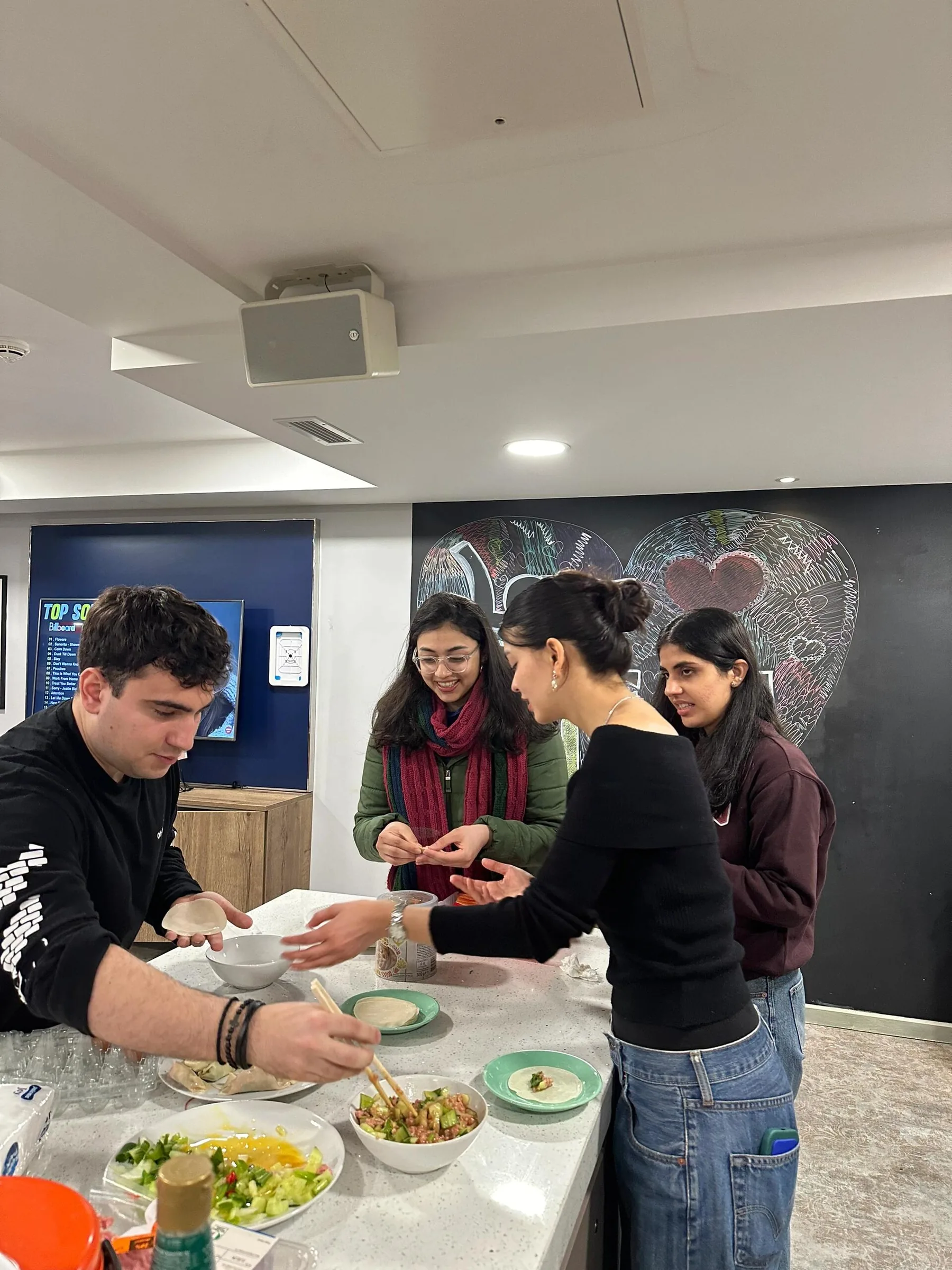
| Private kitchen session | Dishes, teaching, meal, dietary review and participant roles | Whether to purchase any optional products offered separately |
| Market walk requested by the family | Route, guide hours, transport and any paid tasting | Whether to browse or buy, within the agreed time |
| Museum exit shop | Whether passing through is part of the available exit | Whether to stop or continue without buying |
| Retail showroom proposed as a change | Purpose, time, any commercial relationship and effect on booked services | Whether to accept the change at all |
A workshop can be worthwhile even if the craftsperson also sells work. Assess the activity honestly instead of assuming that all retail makes it unsuitable. The important questions are whether teaching is substantive, whether the quoted activity works without extra purchases and whether the family can leave at the agreed finish.
Conversely, calling a stop “cultural” does not explain its content. Ask what participants do, what the host demonstrates and how much time is devoted to sales. If the answer remains vague, request an alternative with a defined scope. Parents should not have to settle the distinction while children are waiting in a showroom.
Audit The Family Route One Workshop At A Time
The current family product lists private tai chi, a Beijing courtyard lunch, a half-day Great Wall photographer, a clay-warrior studio, a selected Chengdu experience and a Shanghai private-kitchen session. These are the first-party inclusions to check against the dated proposal. They should not be silently replaced with a shopping visit or described as services included in every private China tour.
For the Beijing courtyard meal, confirm the host or culinary teacher, participation and lunch arrangements. A private courtyard session does not establish exclusive access to an entire neighborhood or a medically suitable kitchen. Ask how the planned activity accommodates a child who prefers to watch, and distinguish ordinary food preference from an allergy-related requirement.
For the clay studio, separate the making session from finishing. Is clay included? Does the small object need drying or firing? Can it travel immediately, or are collection and shipping additional? Establish the packing and delivery terms before a child becomes attached to an object that cannot safely go into the next day’s suitcase.
For Chengdu, one choice is selected before booking: a kitchen experience, Sanxingdui, Leshan or rest. All four are not included together. If rest is chosen, ask what happens to the price and whether any guide or vehicle remains booked. A free day does not automatically mean an unused activity fee is refundable or a driver is available throughout.
For Shanghai, the main full day includes a private-kitchen lunch and farewell dinner with an afternoon break. Ask which ingredients, drinks and dietary alternatives are covered. Any longer architecture hunt or additional paid attraction needs a documented replacement or extension, including new guide hours. The zero-shopping promise cannot compensate for an itinerary that is too full to deliver its actual inclusions.
Use the published twelve-day family route to build an activity-by-activity comparison. Mark each line included, optional, excluded or awaiting confirmation. Ask the adviser to resolve the last category before taking a deposit for services the family considers essential.
Compare The Whole Price On The Same Basis
The first-party published starting price reviewed on 13 November 2026 is USD 5,290 per person, based on two adults and two children aged six to eleven sharing two rooms outside peak periods. This is a starting basis, not a dated family quotation, an offer for every child age or an independent supplier price check.
Multiplying the current per-person starting figure by four gives USD 21,160 as arithmetic context only. A real proposal must price the actual travel dates, ages, room categories and selected Chengdu option. It must also state the currency, total payable, deposit schedule and what happens if an essential service cannot be confirmed.
The four-person family cost guide explains the configuration in more detail. Compare hotel nights and room setup before drawing conclusions from a headline price. Two unspecified rooms, confirmed connecting categories and a suite can produce materially different totals and sleeping arrangements.
Check included food against each day. Hotel breakfasts and selected meals do not mean all meals, snacks and drinks are covered. Ask which adults and children receive each service, whether an accompanying grandparent changes vehicle capacity and whether a larger room or extra bed is accepted by the hotel. Pricing assumptions should not become arrival-day negotiations.
Check The Staff Who Protect The Day
The family product describes private guides and vehicles on confirmed touring days. A guide interprets the visit, manages the agreed sequence and communicates within the booked scope. A separate driver handles the road journey. The coordinating team helps with the itinerary, but those roles do not imply a traveling guide between all cities, constant vehicle standby or personal care.
Read the private guide versus driver explanation when a proposal uses phrases such as “fully escorted” or “door-to-door support.” Ask where each person meets the family, how long service lasts and what happens in stations or airports where access is controlled. A reassuring phrase does not establish platform access, luggage carrying or childcare.
For a split afternoon, name the responsible adult for each child and the staff needed for each branch. One guide cannot accompany children at a workshop and a grandparent returning elsewhere simultaneously. Additional guiding or transport must be confirmed and priced. Babysitting is listed as excluded from the family product unless arranged separately.
A no-shopping policy should protect choice without creating unrealistic labor promises. Request clear additional-hour terms, the finish point and the contact for changes. If the family asks for an unplanned evening market after dinner, determine whether that is independent time or an additional service before assuming the guide will continue.
Protect Time As Carefully As Money
Ask for the day’s essential sequence rather than a promise that every activity can be moved freely. Museum reservations, kitchen hosts and rail or flight departures constrain changes. Removing an unrequested retail stop should not automatically become permission to add an unrelated paid attraction that conflicts with the next booking.
Keep arrival and transfer days lighter in the quote. The twelve-day route contains two rail journeys and a domestic flight, with eleven hotel nights across four cities. A city-to-city journey includes packing, checkout, station or airport procedures, the main journey and the final hotel transfer. Empty space on a printed calendar is not proof of spare touring time.
Set boundaries for family-requested shopping. A brief purchase can be useful, especially for a forgotten item or a child’s chosen souvenir. Agree whether the stop replaces something, adds vehicle time or can happen independently near the hotel. The policy should preserve informed choice rather than make the family embarrassed to request a practical shop.
A Proposal Review Parents Can Complete Together
- Write down the family’s essential experiences and any activities they want to avoid.
- Match every activity to a named day and identify its instructor, admission or materials.
- Confirm that declining optional purchases leaves the booked service intact.
- Compare total price using the actual dates, ages, rooms, transport classes and meals.
- Identify guide, driver and support roles, including independent and transfer periods.
- Read payment, cancellation, substitution and complaint terms before accepting.
Save the accepted version in a format available offline. Keep the itinerary, inclusions and contact details together so the traveling adults can refer to the same agreement. A short written revision is more useful than several conflicting messages about whether an activity was optional or included.
Do not send passport numbers merely to obtain an initial broad proposal. Start with dates, ages, room needs, interests and practical requirements. When identity details are needed for confirmed reservations, ask which documents are required and use the agreed collection channel. A detailed commercial brief can come before sensitive ticket-booking information.
Expert Insider Tips
Make The Policy Part Of The Final Decision
A useful premium proposal is specific about both delivery and limits. It can explain no compulsory retail, the real workshop content, the number of rooms and the conditions for changes without promising universal access or unlimited staff. Ask for clarification when a broad service phrase conceals a practical uncertainty.
Request a dated version of the family journey and service terms using your party’s configuration. Include the no-shopping wording alongside the selected activities, exclusions and complaint contact. Decide from that complete picture rather than a luxury label, an obsolete price or a long list of optional experiences presented as if they were all included.