Answer Brief
The Answer, Briefly
Book a China tour with no forced shopping by asking for written confirmation that required sightseeing, meals and transfers do not depend on a retail visit or purchase. AVIORA’s current ten-day private route states that it has no compulsory shopping stops. Optional markets and craft studios can still be worthwhile when you choose them knowingly. Before departure, agree how changes are approved and who to contact if an unexpected sales stop is proposed. A clear itinerary is more useful than a promise that you will never see a shop.
The first-trip-to-China planning hub places this decision alongside route, gateways and practical preparation. Here the focus is traveler choice: what to ask, how to distinguish different stops and how to respond calmly if the day begins to diverge from the agreement.
Key Takeaways
- Ask whether you can decline retail without losing the sightseeing or transfer you booked.
- Distinguish an optional market, a paid workshop and a compulsory showroom by what happens there.
- Agree who may approve itinerary changes and keep the operator’s contact available offline.
- Confirm fees, receipts and cancellation terms separately from the no-shopping statement.
Ask Questions That Expose The Actual Policy
Start with the itinerary. Are any stops primarily retail, even if they are described as a factory, cultural center, tea demonstration or local experience? Ask the operator to identify them and explain whether they can be omitted. A recognizable label is not enough to tell you whether the main activity is learning, browsing or buying.
Then ask about consequences. If the party declines the stop, does it retain its booked museum visit, meal and return transfer? Is there a minimum visit duration or purchase expectation? Does an optional visit add vehicle time or a paid demonstration? The answer should distinguish a genuine service charge from pressure to buy goods.
Ask who receives the instructions. A coordinating adviser, local guide and separate driver may all be involved in delivering the route. Have the operator confirm that the accepted itinerary and shopping preference are communicated to the relevant team. You should not have to renegotiate the same condition at every city handover.
Finally, ask for a contact who can resolve a disagreement during the trip. Confirm the channel, expected availability and fallback if internet messaging fails. Do not assume that a website contact form is monitored at the moment your party is waiting outside a showroom. Keep a phone number and a copy of the accepted terms accessible offline.
The tour-company selection guide helps assess the contracting party and the rest of the service. A clear shopping policy is one useful signal, but does not independently establish supplier quality, credentials, financial protection or delivery of every promised activity.
Distinguish Five Kinds Of Stop
| Stop type | Reason a traveler might choose it | What needs to be clear | How to preserve choice |
|---|---|---|---|
| Public market walk | Food, neighborhood context or browsing | Guide time, route and any tastings | State whether you want explanation, purchases or both |
| Booked craft workshop | A defined making activity | Instruction, materials, finishing and extra sales | Confirm that the lesson works without additional purchases |
| Tea or product demonstration | Interest in production or tasting | Fee, duration, retail component and commercial ties | Decide before attending; decline sales independently |
| Museum or attraction exit shop | Optional souvenirs on the way out | Available exit route and meeting arrangement | Continue without buying and meet at the agreed point |
| Unrequested showroom | Proposed change to the original day | Purpose, time and effect on booked services | Ask to retain the accepted itinerary unless you agree otherwise |
Do not treat “authentic” as a contractual description. A craftsperson can provide a good lesson and sell work in the same premises. A large venue can also deliver a properly specified activity. Evaluate what participants actually do, what they pay for and whether purchases remain optional rather than judging only by appearance or a marketing adjective.
If the operator cannot explain a stop before booking, ask for it to be removed or replaced with a clearly described experience. That is easier than deciding under time pressure when other travelers are already seated. Make the preference shared across your party so that one person’s interest in browsing is not mistaken for everyone’s consent to a lengthy visit.
Use The Itinerary To Protect The Day
The published ten-day Beijing, Xi’an and Shanghai route has nine hotel nights: Beijing four, Xi’an two and Shanghai three. It provides agreed private guiding and road transport, while hotels, attractions, trains and flights remain public shared services unless expressly stated otherwise. No compulsory shopping does not mean private museum galleries or priority security.
Look for the main purpose of each day and the commitments that follow it. A retail detour before a reserved admission can create a real timing problem even if no purchase is demanded. Ask the guide to explain any proposed change and its effect on the confirmed visit before the driver sets off.
The ten-day private itinerary is a useful starting document for that discussion. Request your actual dates, selected activities, meal scope and contact details alongside the no-compulsory-shopping wording. Keep optional additions visually separate from included services so a later suggestion does not become an assumed requirement.
In Beijing, this matters around fixed museum reservations and a Great Wall day with substantial road time. In Xi’an, a studio or retail stop after the Terracotta Army should be a conscious decision, with its purpose and duration agreed. In Shanghai, use independent time for browsing if that is what the party wants; do not assume a private vehicle is available on a free day.
The current ten-day product makes its Shanghai Day 9 independent unless an additional experience is selected and quoted. A family wanting a market guide, water-town outing or other hosted activity that day should request the scope and cost. The shopping policy does not convert unbooked staff time into an included service.
Handle An Unexpected Proposal Before It Becomes A Dispute
First ask a neutral question: “What is this stop, and is it part of the itinerary we agreed?” The location may be a necessary service point, the meeting place for a booked activity or an optional suggestion. Establish the facts before assuming bad intent. Ask how long it takes and whether it affects the next confirmed commitment.
If the party does not want it, say so directly: “We would prefer to continue with the agreed visit and skip the retail stop.” Reference the written plan without debating the quality or price of the goods. A clear request gives the guide an opportunity to correct a misunderstanding before it grows into a larger complaint.
If the issue remains unresolved, contact the coordinating team through the agreed channel. Send the itinerary date, location, proposed change and the outcome you want. A concise factual message is easier to act on than a broad accusation. Ask the coordinator to confirm the practical next step and any effect on reserved activities or transport.
Keep safety and basic needs first. Stay with your party, retain essential documents and do not put a child or a traveler needing care into an uncertain split arrangement merely to make a point. If you feel unable to continue, seek appropriate local assistance and clarify alternative transport rather than escalating an argument in a moving vehicle.
Document the outcome once the immediate issue is settled. Save the relevant messages, receipts and itinerary version, and ask for any agreed remedy in writing. This is a practical record, not a guarantee of compensation. Refunds, consumer remedies and dispute procedures depend on the actual agreement and applicable rules; avoid relying on a blog as legal advice.
Optional Shopping Can Remain Optional
A traveler may want a specific souvenir, a practical replacement item or time in a market. Tell the adviser what you are looking for and how much time you want to spend. Ask whether it fits near the hotel or an existing stop, rather than adding a long transfer to a limited sightseeing day.
If another traveler in the party prefers not to browse, agree a nearby meeting point and responsible adult arrangement. Do not assume the driver can take half the party elsewhere while the same vehicle remains available for the shoppers. A split can require additional transport or simply a shared finish time.
Ask the seller about the final price, currency, accepted payment, receipt and any delivery arrangements before paying. Verify the item and the merchant independently where value or authenticity matters. A guide’s translation can help communication, but should not be treated as an appraisal, an authenticity certificate or a guarantee of resale value.
Claims about tax refunds, customs clearance or international delivery need separate verification. A promise that an object can be shipped is not proof it can enter your home country or that import charges are covered. Obtain the seller’s written terms and check the destination’s relevant requirements before making a purchase dependent on those claims.
Workshops Need A Different Checklist From Shops
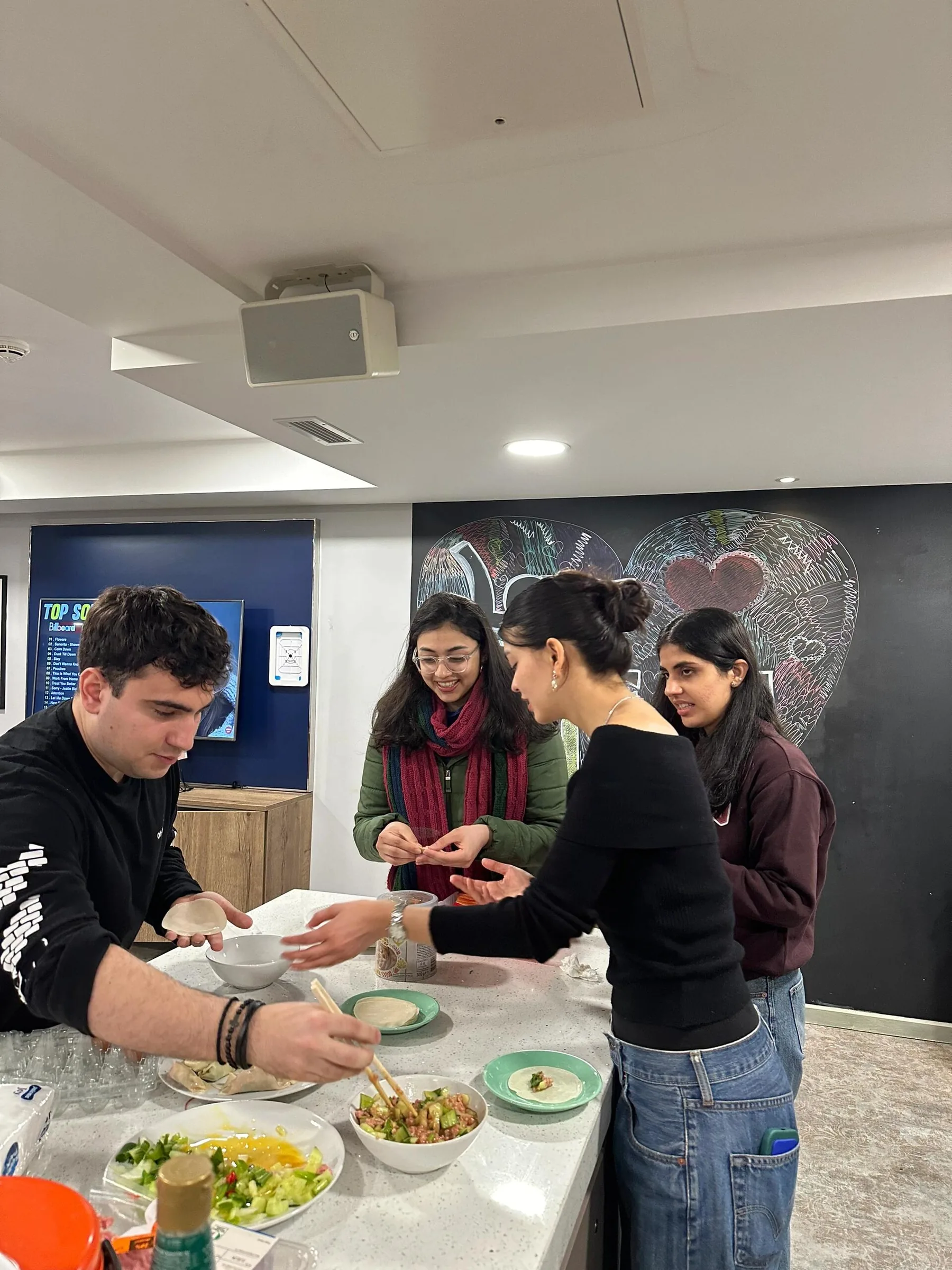
For a paid craft lesson, establish the instructional content, participant numbers, essential materials and included object. Ask what happens if a child cannot participate fully or an adult prefers to observe. Extra purchases should be distinguishable from charges required to complete the activity you agreed to buy.
For clay, ask about drying, firing and packaging. For a kitchen, check dishes, ingredients and dietary suitability. For tea, distinguish an included tasting fee from a retail purchase. These specific questions reveal the service more reliably than a blanket judgment that every demonstration is a sales stop or every workshop is educational.
The family zero-shopping proposal review examines these booking details in the twelve-day family product. It also separates the published price basis from an actual dated quote. Use it if the main concern is whether children’s activities, workshop materials and meals are genuinely included.
Know Which Person Can Change The Plan
A guide may explain the route while a driver handles road positioning and the coordinator manages suppliers. Confirm who can approve a material substitution, extra service or refund request. An informal suggestion by one person does not necessarily revise the contract or authorize the payment they describe.
The private guide versus driver guide clarifies those roles, including station handovers and independent periods. Ask that the same distinction appears in your itinerary. A driver-only booking may not include inside-site interpretation or ticket support, even when the transport itself is private and contains no compulsory shopping.
Avoid assuming a motive or commission arrangement without evidence. It is reasonable to ask whether the operator or staff have a commercial relationship with a proposed venue. Record the answer and decide whether you want the stop. Do not turn an unverified suspicion into a claim that all guides, shops or tours operate the same way.
A Preparation Checklist Before Departure
- Save the accepted itinerary, inclusions and no-compulsory-shopping wording offline.
- Mark any optional market, workshop or demonstration and what it costs.
- Confirm that declining purchases does not remove booked services.
- Agree who may authorize a change and how the party expresses consent.
- Keep the local guide and coordinating contact details in more than one place.
- Review receipts, payment and delivery terms separately for any purchase you choose to make.
Discuss the plan with the whole party before departure. One adult may be happy to browse while another is worried about time, and children may hear “workshop” as a promise to bring home a finished object. Resolving those expectations early makes the day easier for both travelers and staff.
Expert Insider Tips
Put The Preference In The Dated Proposal
A usable no-shopping commitment is specific about required services, optional encounters and the process for changes. It allows the traveler to say yes to a chosen market and no to an unwanted sales presentation while keeping the rest of the booked day understandable.
Review the Beijing, Xi’an and Shanghai private-route terms and request a version for your party. Include the activities you actually want, the purchases you may choose independently and the contact for problems. That gives both traveler and operator a practical reference from the first pickup through the final transfer.