Answer Brief
The Answer, Briefly
Explore Shanghai and Chengdu with teenagers through a few specific questions about how people live, move and eat. In Shanghai, compare the Bund waterfront with the Pudong skyline and a short neighborhood walk. In Chengdu, use a teahouse or a carefully chosen food experience to examine a different urban rhythm. Keep tower tickets, specialist visits and additional workshops explicit in the quote. A contemporary city experience does not require a promised technology demonstration, exclusive rooftop or a full day built around screens.
The China family itinerary hub explains the larger route. This guide helps decide what older children can actually do in the two cities, which choices fit the published journey and what should replace another activity rather than simply being added.
Compare The Cities Through Questions Teenagers Can Test
Shanghai’s river makes a useful starting diagram. The Bund lies on the Puxi side of the Huangpu River, facing the high-rise cluster of Lujiazui in Pudong. Ask what changes across the river: building scale, street patterns, waterfront use and the relationship between an office district and public space. A viewpoint is a way to inspect these differences, not proof that one side represents the whole city.
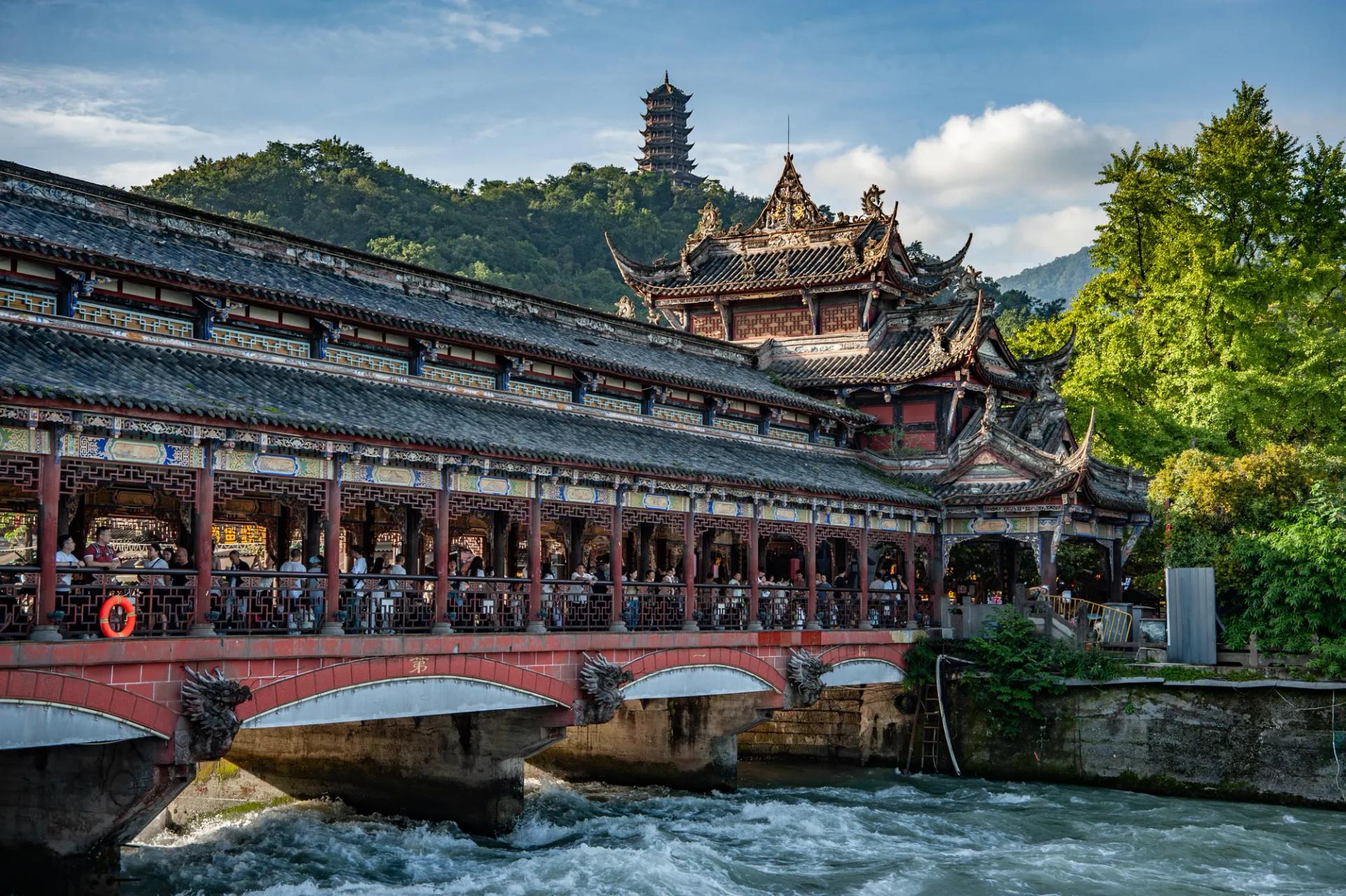
In Chengdu, move the focus from skyline to everyday use. A teahouse can prompt questions about shared tables, ordering, social time and how people occupy a public setting. Ask permission before photographing people and avoid turning residents into exhibits. The conversation should be based on what the family observes rather than a claim that everyone in Chengdu follows one lifestyle.
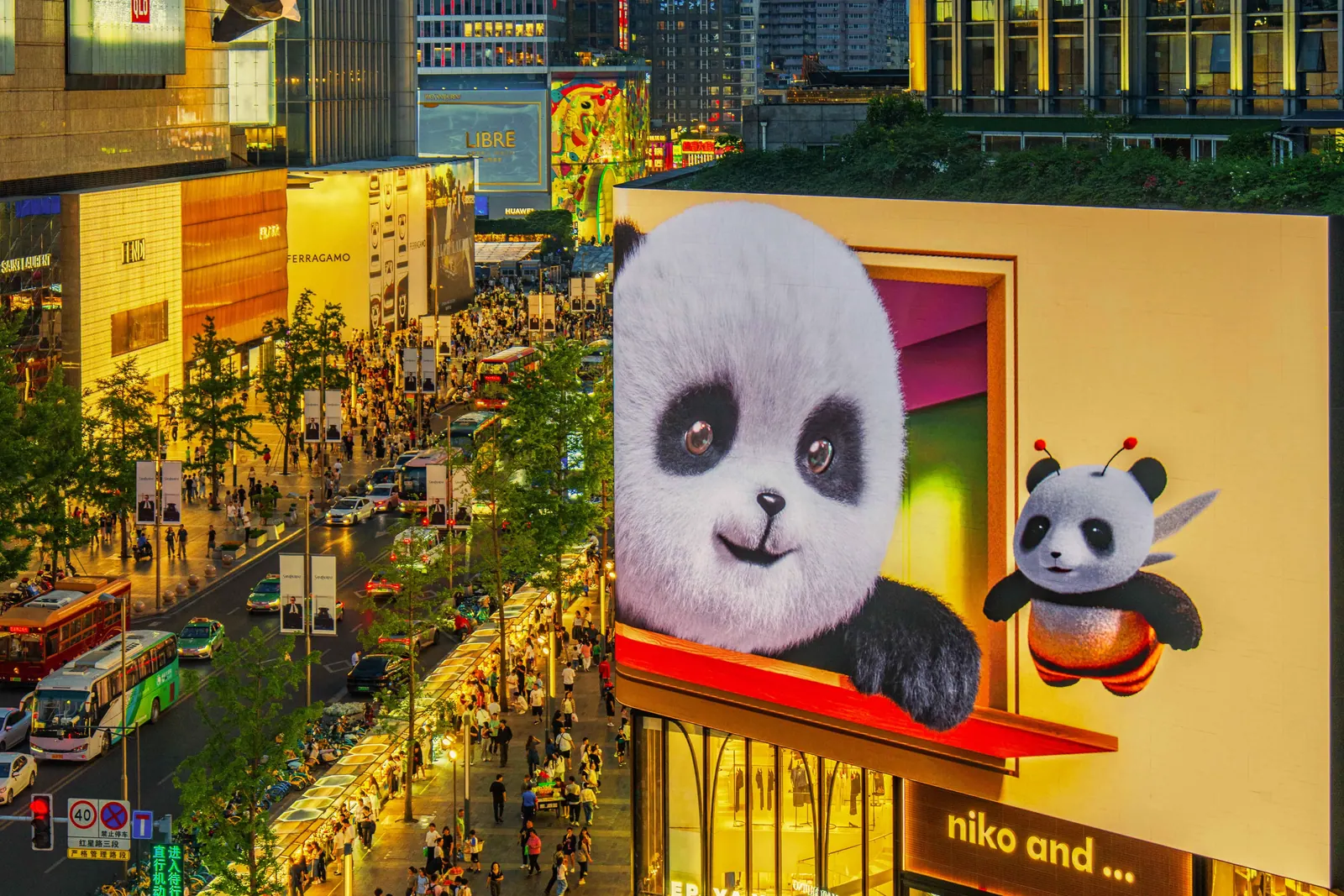
A teenager interested in design might compare signage, shaded seating and pedestrian crossings. One interested in economics might ask how rents, tourism and retail shape a street. Another may prefer ingredients and cooking. Choosing a theme together creates an actual role for the teenager without assuming that age alone predicts enthusiasm for architecture or technology.
| Teenager’s interest | Shanghai possibility | Chengdu possibility | Decision to confirm |
|---|---|---|---|
| Architecture and urban form | Bund-to-Pudong comparison from a selected public viewpoint | Street-level observation near the agreed neighborhood or teahouse | Walking, crossings, weather and what replaces another activity |
| Food and making | Listed private-kitchen lunch on the family route | Kitchen experience if selected as the Chengdu option | Dietary suitability, instruction and included meal |
| Archaeology and evidence | Compare modern display choices with earlier history visits | Sanxingdui option with tickets and interpretation confirmed | Travel time, available admission and specialist upgrade |
| Photography | Riverfront or neighborhood composition practice | Everyday urban details with consent and local rules | Equipment rules, privacy and any commercial permissions |
| A quiet day | Hotel recovery or a short independent outing | The published rest option | Adult responsibility and whether staff or transport are booked |
These are planning possibilities, not a bundle of included activities. A specialist host, museum admission or extra vehicle period needs a confirmed booking. If a teenager proposes something different, assess opening, travel and supervision requirements before putting it on the final day plan.
Read The Twelve-Day Route Before Adding Experiences
The family product allocates four nights to Beijing, two to Xi’an, three to Chengdu and two to Shanghai. Beijing–Xi’an and Xi’an–Chengdu use first-class high-speed rail; Chengdu–Shanghai uses a nonstop economy flight. Intercity schedules, baggage and station or airport handovers remain date-specific. “Three nights” describes hotel continuity, not three empty days waiting to be filled.
In Chengdu, the published pattern includes arrival, a Panda Base visit and a choice day. The Panda Base afternoon stays free. On the choice day, select a kitchen experience, Sanxingdui, Leshan or rest before booking. The alternatives have different travel and operating requirements, so they cannot honestly be described as simultaneous inclusions.
Shanghai begins with the flight arrival on Day 10. A short Bund reveal or other agreed first look is conditional on timing and energy. Day 11 centers on a private-kitchen lunch, a brief neighborhood introduction where practical, afternoon rest and the included farewell dinner. Day 12 is departure. This leaves one principal full city day, not an open invitation to add a tower, water town and evening show.
Use the twelve-day private family itinerary to mark the experience the teenager most wants. Then identify the activity it replaces, any new cost and the recovery period that remains. A strong preference deserves a real place in the plan rather than a hurried optional stop between fixed commitments.
Shanghai: Make The Waterfront An Observation Exercise
Start by checking the weather and visibility, then choose the meeting point, viewing stretch and finish. A skyline visit can be short and still useful. Ask each person to choose one building, one river activity and one feature of the public walkway. Discuss what the view explains and what it cannot reveal about daily life away from the river.
Do not make an evening waterfront walk mandatory after a delayed flight. Airport arrival includes baggage, road transfer and check-in, and an attractive photograph does not erase fatigue. If the family arrives late, a meal and sleep can be the better first encounter. The next day should then be reviewed rather than quietly expanded beyond the agreed guide and vehicle hours.
For a neighborhood walk, select a compact area with a clear topic. Ask the guide to connect architecture with present use, not simply point out fashionable cafés. Confirm the actual walking route, road crossings and a place to stop. A short introduction before lunch should not be advertised as an exhaustive architectural survey of the former French Concession or central Shanghai.
The Shanghai stay-length guide helps judge when another night is justified. If both a detailed architecture walk and a high-rise observation visit matter, extending the stay may be more realistic than sacrificing lunch, rest and departure preparation. Hotel location and airport choice also affect usable time.
A Tower Visit Needs More Than A Building Name
Shanghai Tower is a possible request, not a listed inclusion in the current family route. Its official homepage retrieved on 13 November 2026 exposed only a minimal landing page in this review. That response did not establish current observation-deck hours, ticket products, age concessions, weather policies or a fast-track arrangement. Obtain those terms through the actual operator’s booking channel before promising the visit.
Ask which attraction or floor the ticket admits, which entrance is used, what identification is required and whether a timed reservation still involves waiting. A building can contain several separately managed experiences. Avoid allowing the general phrase “Shanghai Tower included” to conceal an unconfirmed product or an additional on-site payment.
Poor visibility can reduce the value of a high viewpoint. Discuss the change and refund terms before paying, together with a ground-level alternative that fits the day. A family cannot assume that disappointment with the weather creates a refundable ticket. Nor should the alternative become an unpriced shopping stop because it is easy to reach indoors.
For teenagers interested in engineering, a public observation visit does not establish behind-the-scenes access, a control-room demonstration or a meeting with an engineer. Such requests need named hosts, permission and a confirmed scope. The city remains worth examining even if a specialist facility is unavailable.
Chengdu: Choose One Deeper Encounter
A teahouse introduction is optional on the family route’s arrival day. Confirm whether the chosen venue, tea, seating and guide time are included or paid separately. A guide can explain ordering and etiquette, but cannot promise a quiet table or control the people nearby. If arrival is tiring, move or omit the stop under the agreed change terms.
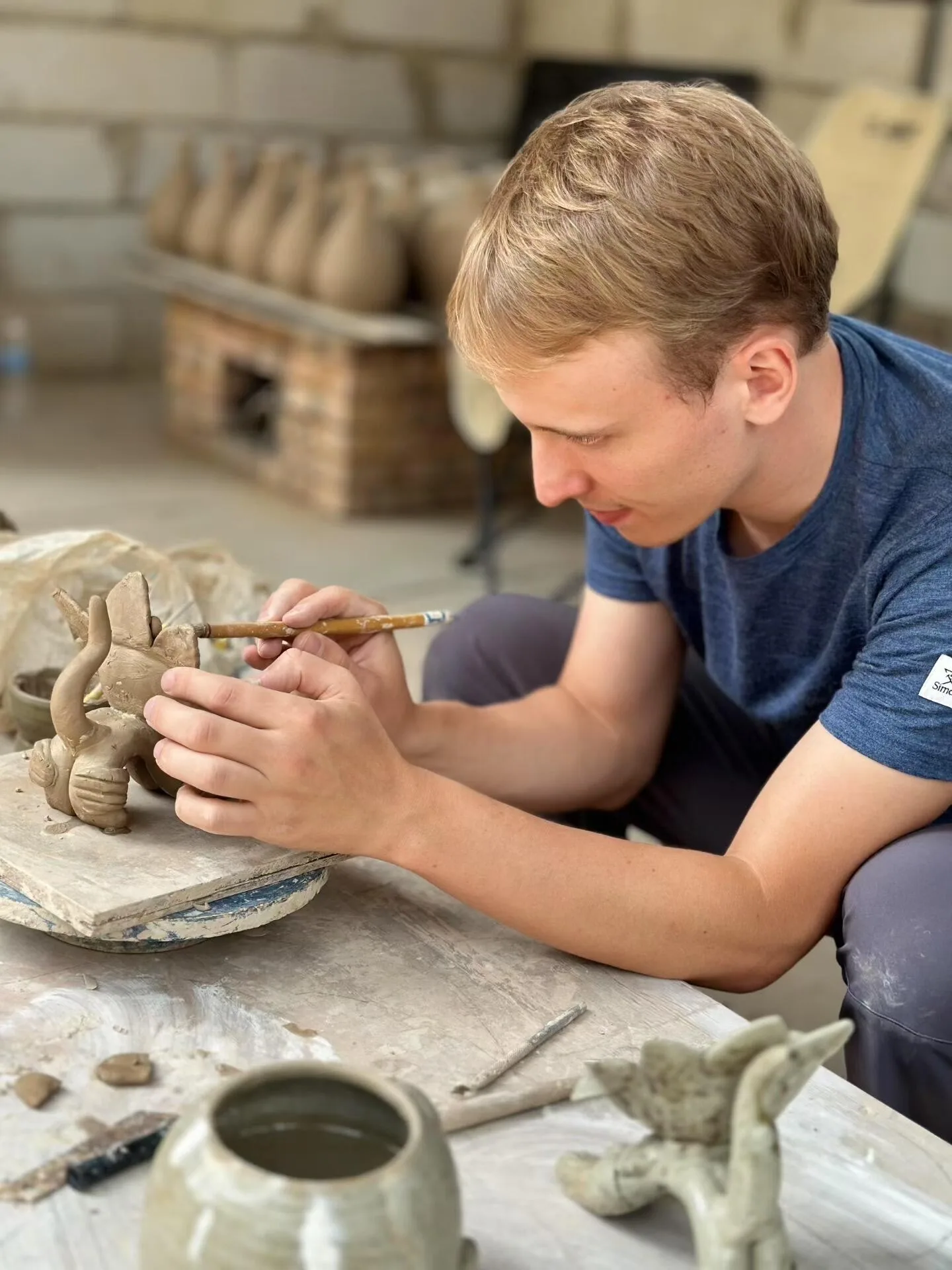
For the choice day, a kitchen experience gives food-focused teenagers something concrete to do. Ask which dishes will be prepared, whether they handle knives or heat, how teaching is supervised and what alternatives exist. Spice preference is different from an allergy requirement. Ingredient translation and advance discussion do not by themselves establish that a kitchen can prevent cross-contact.
Sanxingdui provides a different question: how does a museum explain a past that remains partly unresolved? Confirm admission, road time and the guide’s subject knowledge. The published product separately lists an archaeology-specialist upgrade, so the standard option should not be described as automatically led by a researcher. A family can still ask useful evidence questions with an appropriately prepared guide.
Leshan is another distinct option with its own river or land decisions, operating conditions and mobility implications. Do not combine it with Sanxingdui simply because both are outside central Chengdu. The Chengdu itinerary guide helps separate city time from a substantial excursion and explains why an additional day can change the choice.
Rest is a valid fourth option. Confirm what it means financially and operationally: a free day does not automatically keep a private guide and vehicle on standby, and omitting a prepaid activity does not automatically create a refund. Agree the support contact, independent plans and any adult supervision needed while the family stays at the hotel.
Let Teenagers Use Technology Without Depending On It
A phone can hold an offline meeting point, a translated address and a simple photo brief. Test connectivity and charging arrangements before a day that depends on messaging. A visitor’s device, account or overseas payment card may not work with every local service, so keep the guide’s number and hotel address accessible through another method.
Do not make opening a local payment account or sharing personal information part of a spontaneous challenge. Agree any small purchase with an adult and provide an alternative payment method through the confirmed service arrangement. Buying a drink should support the visit, not become a public test of whether a teenager can solve an unfamiliar app interface.
Use observation prompts that work offline: compare three ways people cross a street, sketch a building silhouette, record ingredients after the cooking session or choose one question to ask the guide. Check venue rules before filming. A photography exercise does not justify recording strangers closely, using prohibited equipment or treating a protected animal encounter as a content shoot.
A Practical Planning Sequence
- Ask each teenager to choose one theme and one activity they would happily skip.
- Match those preferences to the actual Chengdu and Shanghai hotel nights and transfer days.
- Select the Chengdu choice and identify any Shanghai replacement or extension.
- Confirm admission, hosts, food requirements, guide language and vehicle hours in writing.
- Set meeting points, communication backups and adult responsibility for any split activity.
- Recheck weather, operational notices and the following morning’s departure before each outing.
A family with different interests can divide briefly, but only with a workable staffing plan. One guide cannot cover separate locations simultaneously. A driver does not automatically become a second guide, and hotel babysitting is excluded unless arranged. State who accompanies a younger sibling while a teenager joins a longer walk.
Connect the urban discussion to earlier visits without repeating the same teaching format. The Forbidden City and Terracotta Army family guide uses observation and evidence at historic sites; Shanghai and Chengdu can revisit those questions through living streets, food and contemporary buildings. Teenagers can decide which comparison interests them.
Expert Insider Tips
Put The Choices Into A Written Family Proposal
Send the teenager’s interests alongside practical information: ages, room needs, food requirements, tolerance for standing and any fixed flight times. Request a clear distinction between included activities, alternatives and extra requests. The useful deliverable is a feasible day, not a long catalog of everything Shanghai and Chengdu could offer.
Review the family route and confirmed service outline with those priorities marked. Keep the kitchen, city walk and rest periods proportionate to the actual stay. Where a specialist visit cannot be confirmed, choose a credible alternative before booking rather than leaving the teenager with an expectation the operator cannot deliver.