Answer Brief
The Answer, Briefly
Visit the Forbidden City and Terracotta Army with kids by giving each museum day one clear question, reserving the correct admission and protecting recovery time afterward. In Beijing, use roofs, gates and courtyards to explain palace life. In Xi’an, compare the army’s scale with individual figures, then consider a separately confirmed clay workshop. Neither private guiding nor timed admission guarantees an empty viewing area, priority security or entry to closed spaces. Plan around the youngest traveler’s actual tolerance for walking and standing.
Return to the China family itinerary hub to place these visits within the full route. Two major history days work better when they are separated by a lighter day or transfer plan than when they become competing tests of how much the family can cover.
Two Sites, Two Different Family Challenges
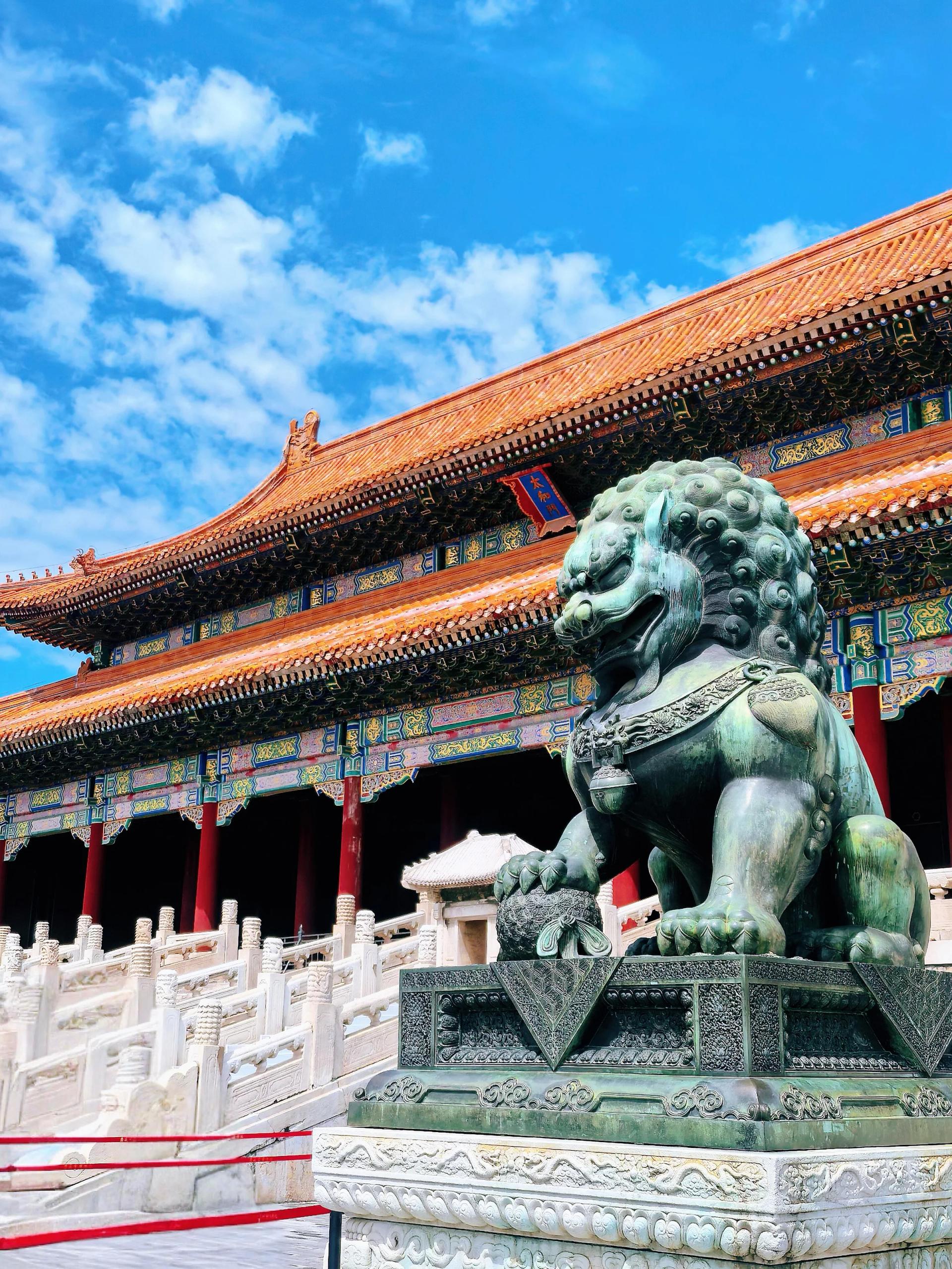
The Forbidden City is an architectural landscape. Much of its meaning comes from the relationship between gates, courtyards and halls rather than a sequence of small objects in display cases. Children need help seeing that relationship without hearing every name or imperial date. Outdoor exposure, paved ground and thresholds matter alongside the explanation.
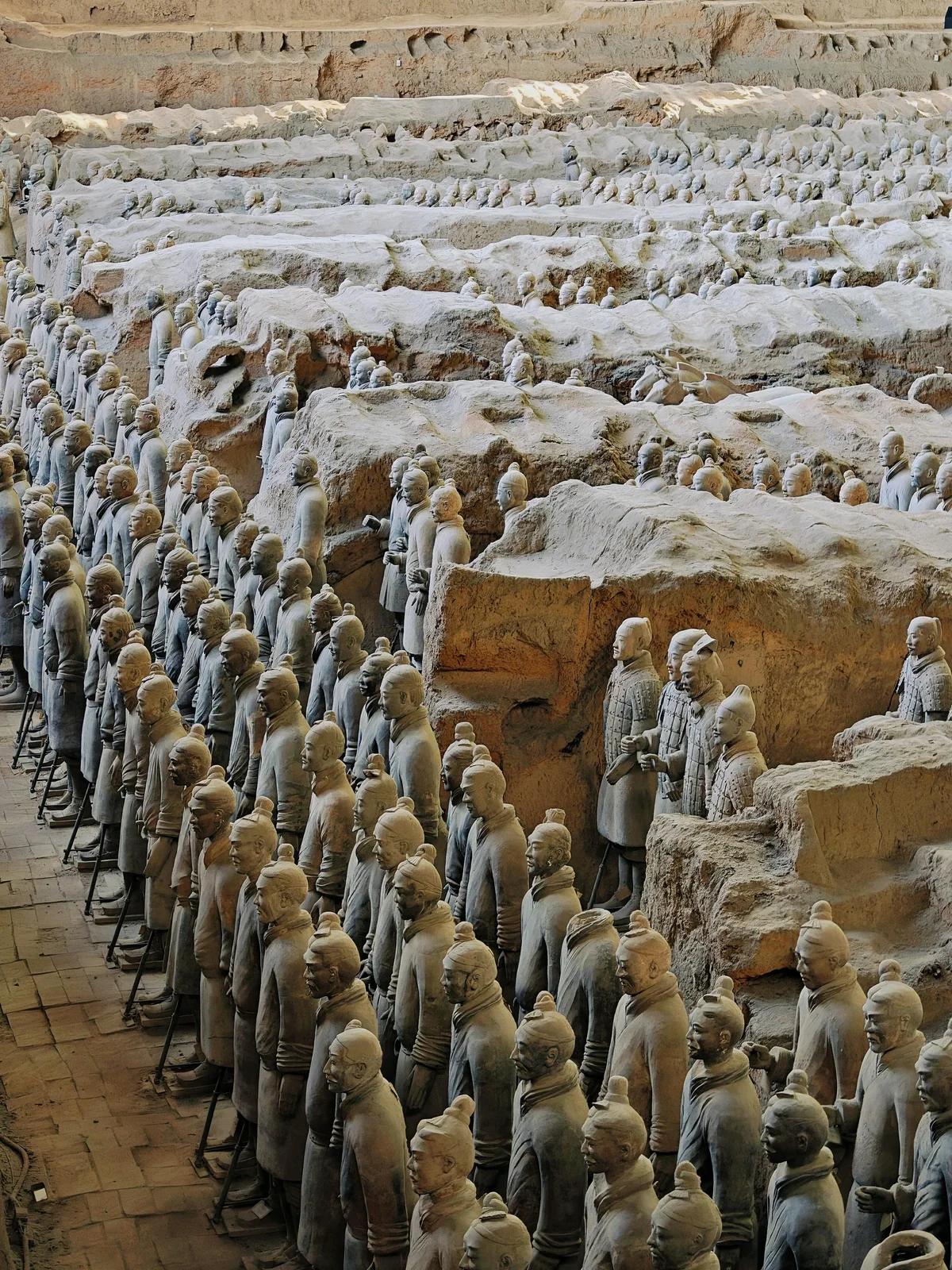
The Terracotta Army involves looking into excavated pits within a large visitor complex outside central Xi’an. Children may initially notice the scale but struggle to see individual details over a crowded railing. A guide should explain what to look for before reaching the busy viewpoint and allow another permitted position when the first view is blocked.
| Planning decision | Forbidden City, Beijing | Terracotta Army, Xi’an |
|---|---|---|
| Main learning question | How did architecture organize palace life and authority? | How were a large army and individual figures made? |
| Physical demand to discuss | Courtyards, thresholds, exposure and the exit approach | Approach walking, standing at pits and moving between halls |
| Booking issue | Advance booking, passport details and the opening calendar | Real-name reservations, time slot and original identity documents |
| Useful family method | Notice one roof detail, gate relationship or courtyard change | Compare formation, posture and restoration evidence |
| Optional extension | A seated discussion with replica objects if confirmed | A separate clay studio or a wider Lishan visit if agreed |
Do not use this table as an accessibility certificate. Ask for the proposed route, accessible facilities, equipment handling and the complete approach from the vehicle. A wheelchair symbol on a map does not establish that every selected courtyard, pit viewpoint or workshop entrance meets a particular traveler’s needs.
Reserve The Date Before Polishing The Story
The Palace Museum visitor page checked on 13 November 2026 states that it does not sell tickets on the day of the visit. Foreign visitors provide passport numbers when booking online. Its ordinary opening pattern is Tuesday to Sunday, with holiday exceptions and possible temporary closures. A Monday cannot simply be treated as another interchangeable touring day.
The same page lists an 8:30 opening and a 17:00 close from April through October, with last entry at 16:00. From November through March, closing is 16:30 and last entry 15:30. These are published operating hours, not a recommendation to arrive at the last moment or a guarantee of a particular reservation. Check the official calendar again for the actual date.
Use the Forbidden City reservation guide when assembling booking details. Separate palace admission from any other reservation or security procedure on the approach. An operator’s confirmation should say what it has secured and what each traveler must carry, rather than using “all arranged” to hide missing steps.
The Qin museum’s official ticketing page requires advance real-name reservations for all visitors, including foreign visitors and people eligible for free admission. It specifies the original valid identity document, consistency between person, ticket and document, and arrival half an hour before the reserved time slot. Road departure must account for that instruction and current traffic.
Do not transfer a child-ticket rule from the railway or another museum. The Qin page distinguishes Chinese-nationality age provisions from an English concession statement for children of non-Chinese-mainland nationality based on height. Wording differs across sections. Submit the child’s actual nationality, travel-date age, height and document type through the accepted booking channel; do not assume that all under-sixteen foreign children enter free.
Build A Forbidden City Visit Around Three Observations
First, establish direction. Before entering the busiest part of the route, show children a simple map and explain the planned entrance, selected courtyards and exit. Ask them to notice how access becomes more controlled. The point is to give the walk a purpose, not to promise that every gate or building will be open.
Second, choose a visible detail. Younger children can look for a roof figure or repeated animal motif from a permitted viewing area. Older children can compare the scale and placement of halls. Teenagers can ask how architecture presents authority and how evidence distinguishes actual court practice from a later story.
Third, leave space for their interpretation. Ask each child to choose one thing that surprised them. A drawing, a short voice note made where appropriate or a conversation after leaving can be enough. Do not require a child to complete a worksheet while negotiating crowds, steps or an identity check.
The published family route illustrates approximately 2.5 hours and 3.5 kilometers for a selected palace visit. Those figures are not required targets, measured guarantees or caps on the complete hotel-to-hotel day. Approach walking, the route open on the date, pauses and the final pickup may change the total. Request a route review if those estimates already exceed comfortable limits.
In the twelve-day private family route, a Junior Curator Mission and a seated tea-and-object session are listed parts of the palace day. Confirm where the seated session takes place, what materials are used and whether any refreshments or venue costs are included. It should not be presented as handling original museum artifacts or accessing private palace rooms.
Use The Terracotta Army Sequence To Explain Evidence
The family product describes a focused Pits 1–3 sequence. Treat it as the selected teaching plan, subject to site operations and the guide’s assessment of congestion. Begin with the overall formation, then narrow attention to differences between figures and the work involved in excavation and repair. Avoid promising a particular photograph or uninterrupted front-row view.
Pit 1 gives the scale of the army; subsequent comparisons can introduce different arrangements and the limits of archaeological interpretation. Ask a guide to distinguish an observed detail, a museum explanation and an interpretation. “What can we actually see?” is a useful question for children who dislike being given a single polished story without evidence.
The Terracotta Army ticket and visitor guide explains the wider admission structure. The official museum page identifies the warriors museum and Lishan Garden as two areas of the same museum system, connected by a shuttle. Ticket entitlement does not mean the family’s guided day includes both areas, all associated walking or every exhibit.
Lishan Garden therefore belongs in the proposal as a separate time-and-energy decision. If the family wants the wider mausoleum context, ask which displays will be visited and how much additional transfer and standing time is involved. If the main aim is the pits followed by a workshop, attempting both sites may remove the afternoon recovery period.
Make The Clay Workshop A Real Learning Activity
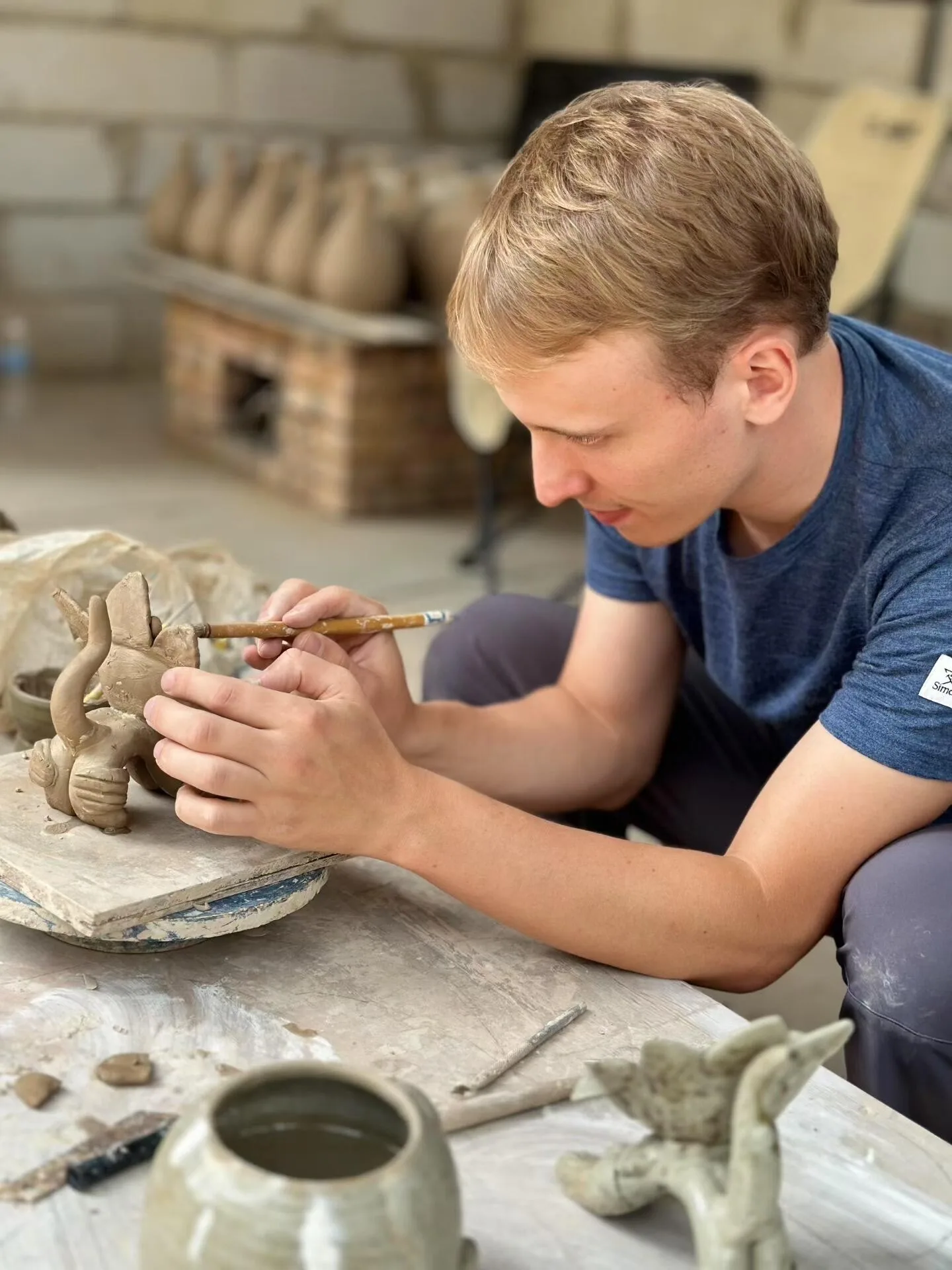
The listed family experience is a private clay-warrior studio with a local craftsperson. Before confirming it, ask whether instruction, working materials and the small finished object are covered by the activity fee. Establish whether the session is suitable for the child’s dexterity, sensory preferences and willingness to get hands dirty.
Location matters. A workshop away from the museum can add driving time; a showroom attached to a studio can introduce optional retail. Neither arrangement should be obscured. Ask whether a sales area is involved, whether purchases are entirely optional and whether the booked lesson remains available if the family declines to buy anything.
Drying, firing and transport are separate practical questions. A newly made clay figure may not be ready for immediate suitcase packing. Confirm whether the object is dried, fired, collected later or shipped, and identify packaging, delivery charges and responsibility for breakage. Do not promise a finished keepsake at departure before the craftsperson confirms the process.
For children who prefer observation, agree a non-making role or a shorter session beforehand. A teenager might compare the workshop method with the archaeological evidence discussed that morning. A younger child may prefer making one small shape rather than a detailed warrior. Participation should add meaning without turning the afternoon into another compulsory performance.
A Sequence To Agree Before Leaving The Hotel
- Check each person’s original booking document and the exact reservation date and time.
- Confirm the entrance, permitted drop-off, approach security and public meeting point.
- Choose the essential observations and an abbreviated route before entering.
- Identify opportunities for toilets, water and seated pauses without promising their immediate availability.
- Agree who stays with each child if one adult returns early, and how the party reunites.
- Reconfirm lunch needs, the workshop decision and the vehicle pickup after the museum.
A split visit needs named responsibility. One guide cannot simultaneously accompany a grandparent leaving the complex and children continuing into another hall. A separate driver may be waiting at a permitted point but is not automatically available inside the museum or responsible for childcare. Add staff only when their role and availability are confirmed.
Carry essential medication, weather protection and the family’s immediate needs in a manageable day bag. Check the museum’s current prohibited-item and storage rules before bringing craft tools, large luggage or equipment. Storage availability should never be the only plan for passports or other valuables needed at admission.
For a contrasting later chapter, the Shanghai and Chengdu family city guide uses streets, food and urban design instead of another full history lecture. The connection gives children different ways to interpret China while keeping each city’s demands distinct.
Expert Insider Tips
Fit The History Days Into The Whole Route
The published twelve-day journey includes Beijing, Xi’an, Chengdu and Shanghai with eleven hotel nights. Keep palace and warrior days connected to the actual hotel and transfer pattern, rather than adding a second demanding excursion because the afternoon looks empty on paper. The advertised family age range is a starting point for discussion, not proof of suitability for every child.
Use the family route’s day-by-day outline to request a written version showing reservations, selected walking route, learning materials, workshop terms and recovery time. Include each child’s interests and practical limits. A smaller number of well-understood observations can produce a richer visit than a longer list completed while everyone is exhausted.