Answer Brief
The Answer, Briefly
For Muslim-friendly China travel, define your household’s meal standard, protect prayer windows and agree fallback arrangements before booking the route. A no-pork note does not establish acceptable preparation, and a mosque on the map does not confirm access or congregation timing. In Beijing, Xi’an or a Ningxia extension, ask for named venues and specific answers tied to your dates. The private itinerary should follow those requirements rather than leave them to be solved after arrival.
Key Takeaways
- State your household’s food standard rather than relying on a no-pork label.
- Confirm the actual restaurant, preparation answers and fallback for each constrained day.
- Build prayer and Ramadan meals into the timing before reserving attractions.
- Distinguish a Muslim-friendly private route from venue certification or guaranteed mosque access.
At AVIORA, the useful starting point is a conversation about your own standard. Some travelers require food prepared in a halal-certified kitchen. Others are comfortable with a named Muslim-operated restaurant, seafood, vegetarian meals or individually confirmed dishes. Those are different requirements. We do not treat them as interchangeable, and we do not describe a restaurant as certified unless that status has actually been verified for the specific venue and date.
What A Serious Muslim-Friendly Plan Should Confirm
Before we recommend a route, we ask what matters to your travelers rather than relying on a generic “no pork” note. Useful details include:
- Whether every meal must be from a halal-certified or Muslim-operated kitchen.
- Whether cooking wine, lard, shared utensils or shared cooking surfaces are acceptable.
- Whether seafood, vegetarian dishes or packaged meals are practical alternatives.
- Which prayers need a protected time and whether visiting a mosque is important.
- Whether the trip overlaps Ramadan, Eid or Friday congregational prayer.
- Children’s needs, allergies, walking preferences and the usual meal rhythm.
You can share only the information needed to plan the service. The goal is not to ask intrusive questions; it is to prevent a vague request from turning into an unsuitable meal or an impossible schedule.
Meals: Named Venues, Specific Questions, A Backup
“Halal options available” is not enough information to make a confident decision. A useful proposal names the intended restaurant or meal arrangement, explains what has been checked, and notes what remains subject to reconfirmation. For a restaurant, the operating team can ask about ingredients and preparation relevant to your stated standard. The traveler should still decide whether the answer meets their own practice.
Restaurant ownership, menus, opening hours and kitchen procedures can change. We therefore treat a restaurant check as date-specific, not a permanent guarantee. For a long transfer day or a late arrival, the plan should identify a second option or a simple fallback rather than assume that the first choice will be open.
Hotel breakfast deserves its own check. A buffet may contain suitable fruit, eggs or packaged items, while shared utensils, cooking surfaces or ingredients make other dishes unclear.If a separate preparation is important, it must be requested and confirmed with the hotel; it should not be inferred from the hotel’s star rating.Hotel location also matters: a well-placed property near suitable dining can be more useful than an isolated resort with an impressive buffet but few alternatives.
Prayer Belongs In The Itinerary, Not In A Footnote
Prayer timing affects when a day starts, how long a transfer can run and whether a stop is realistic. We map the intended prayer windows against the route and discuss suitable spaces or mosque visits in advance. A mosque should be included because it matters to you, not inserted as a token photo stop.
Access, visitor arrangements and prayer facilities vary by mosque and can change. We confirm current details where possible and avoid promising access to a private room or a particular facility that has not been confirmed. For Friday prayer, the route should be planned around the congregation time, location and traffic. Trying to squeeze Jumu’ah between timed attractions is not a thoughtful plan.
On a full-day excursion outside a city, a return to a mosque may not be practical. Tell us which prayers need a dedicated stop, which can be accommodated in an appropriate private space, and what flexibility you have. We can then discuss a realistic route and make the trade-offs explicit.
Ramadan Changes The Operating Rhythm
If you are fasting, share the dates and what you need for suhoor and iftar. Standard hotel breakfast hours may not work for suhoor; an early room-service or packaged arrangement needs confirmation. Iftar timing should be considered alongside the last attraction, traffic and the hotel or restaurant location. Heat, walking distance and the traveler’s own health decisions also matter, especially during long sightseeing days.
A private guide and vehicle make timing easier to adapt, but they cannot change attraction opening hours, guarantee a restaurant booking or remove traffic. A stronger plan protects a reasonable window, identifies a workable meal option and says who will reconfirm it.
What AVIORA’s Private Service Changes
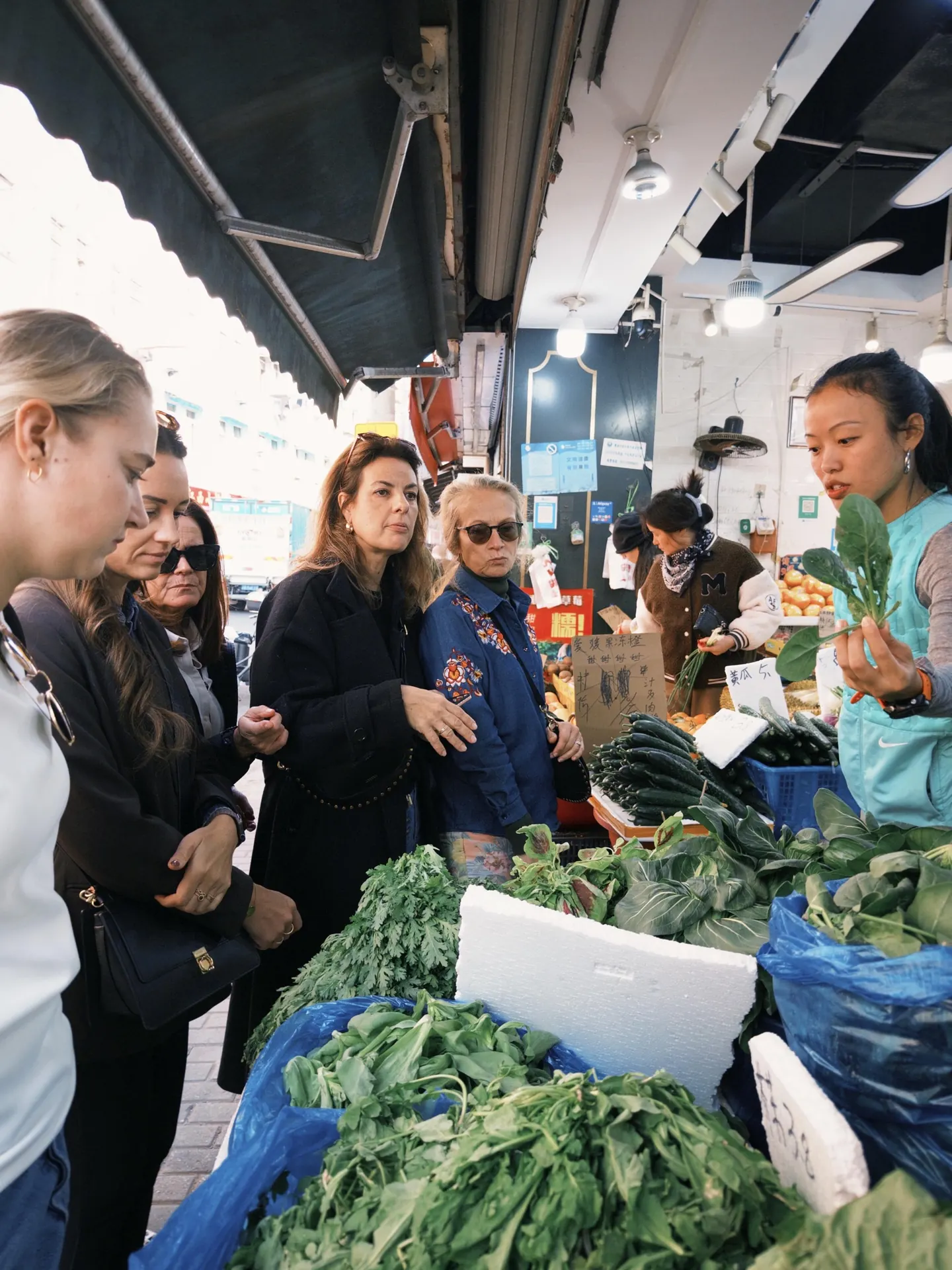
The service is designed around one agreed operating brief: traveler count, hotel addresses, meal standard, prayer priorities, guide and driver coverage, attraction timing, transfer boundaries and optional experiences. A private multilingual guide interprets the day and helps with local communication; a professional driver handles road transport. A China-based team coordinates the itinerary and confirms the practical details that need a supplier response.
This is different from putting “Muslim-friendly” on a standard group departure and leaving each guest to find meals and prayer space independently. It is also more specific than simply hiring a car.Start with a tailor-made Muslim-friendly travel proposal based on your food, prayer and family requirements. The route needs date-specific confirmation; a general planning label does not certify every restaurant or guarantee a particular prayer facility.
AVIORA does not promise exclusive access to public attractions, empty sites, universal halal availability or identical arrangements in every city. We state what is included, what is optional, what has been confirmed and what requires your decision. There are no compulsory shopping stops in the published private-tour standard.
A Practical Pre-Booking Checklist
Before paying a deposit, ask for the following in writing:
- The exact guide, vehicle and service hours included on each touring day.
- Named meal venues or meal types, plus the standard checked and any uncertainty.
- The prayer windows and the proposed locations or arrangements for each relevant day.
- The Ramadan suhoor and iftar plan, if applicable.
- Hotel location, breakfast plan and any room or family requirements.
- What happens if a venue closes, changes its menu or cannot confirm your requirement.
- Which optional meals, admissions and extra hours cost more.
If an operator answers every point with “we will take care of it” but cannot show the plan, keep asking. Confidence comes from specific answers, not from a luxury adjective.
Separate The Food Arrangements In A Comparison
| Arrangement | What it can establish | What still needs asking |
|---|---|---|
| Named certified kitchen | A stated certification tied to a venue | Issuer, scope, current validity and your acceptance |
| Named Muslim-operated restaurant | An identified operator and meal option | Ingredients, preparation and household standard |
| Vegetarian or seafood selection | A possible alternative if you accept it | Stocks, sauces, wine and shared equipment |
| Hotel buffet | A convenient meal at the property | Separate preparation, utensils and early meal timing |
This table is a conversation framework rather than a religious ruling. The traveler decides which arrangements meet their practice. A planner should record that decision and the venue’s actual answers, not replace both with the phrase “halal available.”
Apply The Brief To Beijing, Xi’an And A Regional Extension
In Beijing, keep the Forbidden City’s pedestrian route and a Mutianyu excursion distinct. A meal across the city can conflict with a fixed admission or create an unnecessary return drive. Ask for a named lunch arrangement close to the actual route, then check prayer timing separately. Geographic convenience does not establish kitchen suitability.
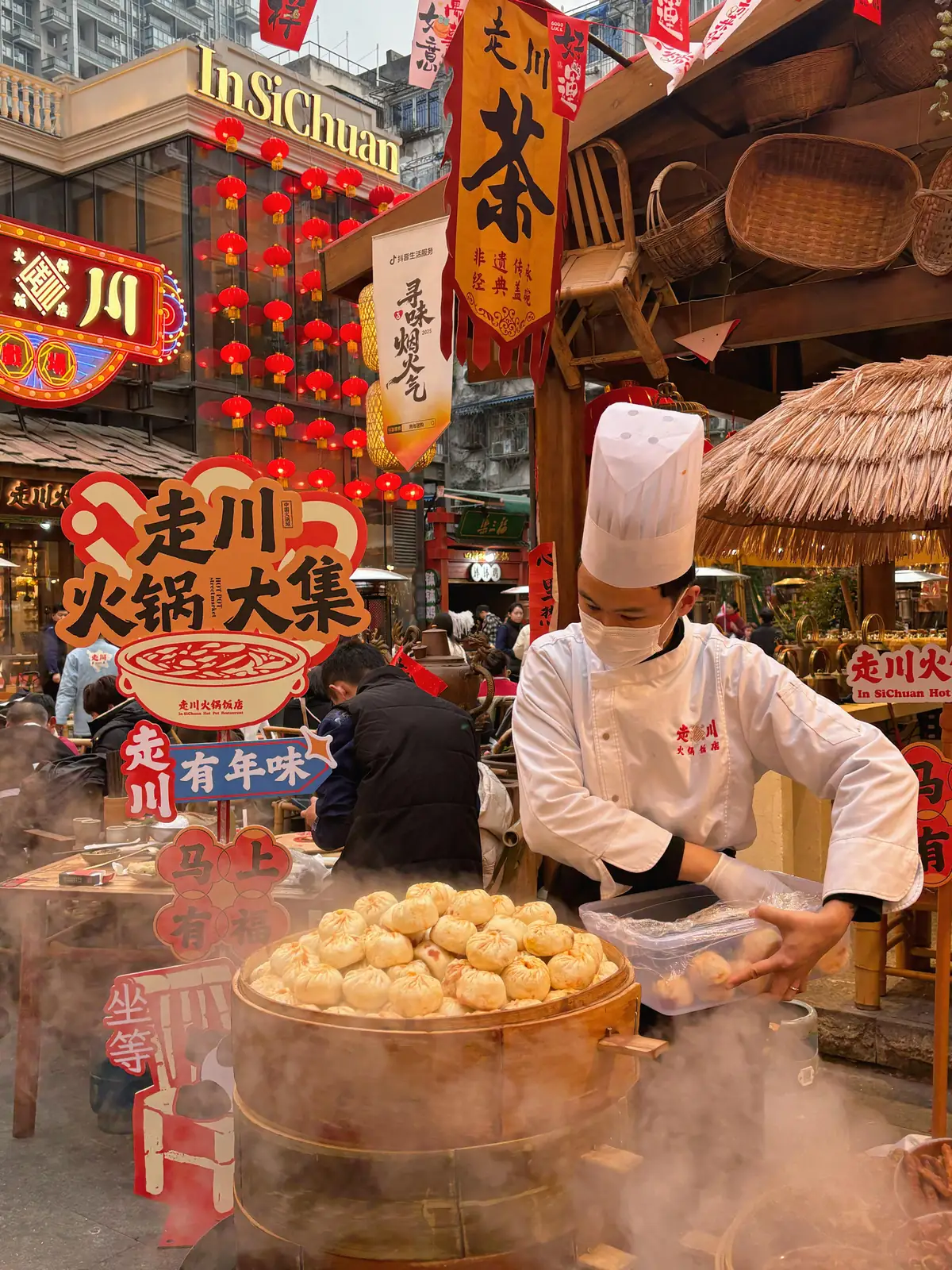
In Xi’an, a Muslim Quarter food walk and an arranged meal are different services. A busy street contains individual businesses with their own practices; the neighborhood name is not a certification of every stall. If visiting the Great Mosque matters, confirm current visitor and worship arrangements rather than assuming sightseeing entry provides access for every purpose or at every time.
For a Ningxia or desert chapter, overnight logistics deserve the same scrutiny as city meals. Ask whether food is prepared on site or brought in, what storage and serving arrangements apply, and which prayer space is actually agreed. A desert photograph or regional Muslim heritage does not establish the conditions at a specific hotel, camp or restaurant.
Use the halal meals and prayer planning guide for the wider operational brief. When allergies also apply, the food-allergy planning guide adds the cross-contact and emergency questions that a religious dietary note alone does not answer.
Confirm The Service Boundaries Before Departure
Put food and prayer expectations beside guide hours, transfers and optional visits in the proposal. If no compulsory retail visits matters, use the no-forced-shopping checklist to request explicit wording. A cultural or tea visit should identify any sales element and whether participation is optional.
Return to the travel journal for the broader planning library. Then request a tailor-made route with your dates, meal standard and prayer priorities. Request a dated response that separates confirmed arrangements from the questions still awaiting a hotel or restaurant answer.