Answer Brief
The Answer, Briefly
A twelve-day China family tour with pandas can link Beijing, Xi'an, Chengdu and Shanghai with eleven hotel nights and three intercity moves. AVIORA's published design uses four Beijing nights, two in Xi'an, three in Chengdu and two in Shanghai, with two rail journeys and a domestic flight. Assess the full transfer days, selected activities and actual children before booking. The route provides a starting structure; it does not guarantee animal behavior, connecting rooms, queue-free entry or suitability for every family's mobility and care needs.
Key Takeaways
- Count eleven nights and three city changes before adding optional visits.
- Separate the major Beijing visits and keep arrival expectations modest.
- Choose one Chengdu option before booking; the panda afternoon stays free of touring.
- Confirm rooms, transport, meal inclusions and service responsibilities in the dated proposal.
The China family itinerary hub compares trip lengths and route choices. This article examines the specific twelve-day family product, including what each city contributes and where the published design needs individual confirmation. Day labels below describe the starting itinerary, not confirmed operational dates or ticket inventory.
The Route At A Glance
| Days | Base and hotel nights | Main purpose | Decision to check |
|---|---|---|---|
| 1–4 | Beijing, four nights | Arrival, park and food experience, palace, Wall | Arrival access and separation of demanding visits |
| 5–6 | Xi'an, two nights | Rail arrival, selected city-wall activity, archaeology and clay studio | Rail handover and the museum day's workload |
| 7–9 | Chengdu, three nights | Rail arrival, panda morning, one selected option | Facility, admission and service coverage during free time |
| 10–11 | Shanghai, two nights | Flight arrival, neighborhood introduction, kitchen and farewell | Actual flight and the single main full-day window |
| 12 | Departure | Agreed airport transfer | Flight, baggage and pickup arrangement |
The night total is eleven: four plus two plus three plus two. Twelve calendar days do not supply twelve full sightseeing days. Arrival, departure and city changes reduce usable time even when a train or flight is comfortable and private road transfers are arranged.
Day 1: Make Arrival A Service Day
The first day is for international arrival and the agreed transfer to the hotel. Count immigration, baggage, the public meeting point, road travel and room access. A flight's landing time does not establish when the family can start an activity or enter its room.
The published design leaves important sightseeing off arrival day. Keep an optional light dinner or nearby outing proportionate to actual energy and service coverage. If early room access is essential, obtain the specific hotel arrangement rather than treating a check-in request as a confirmed entitlement.
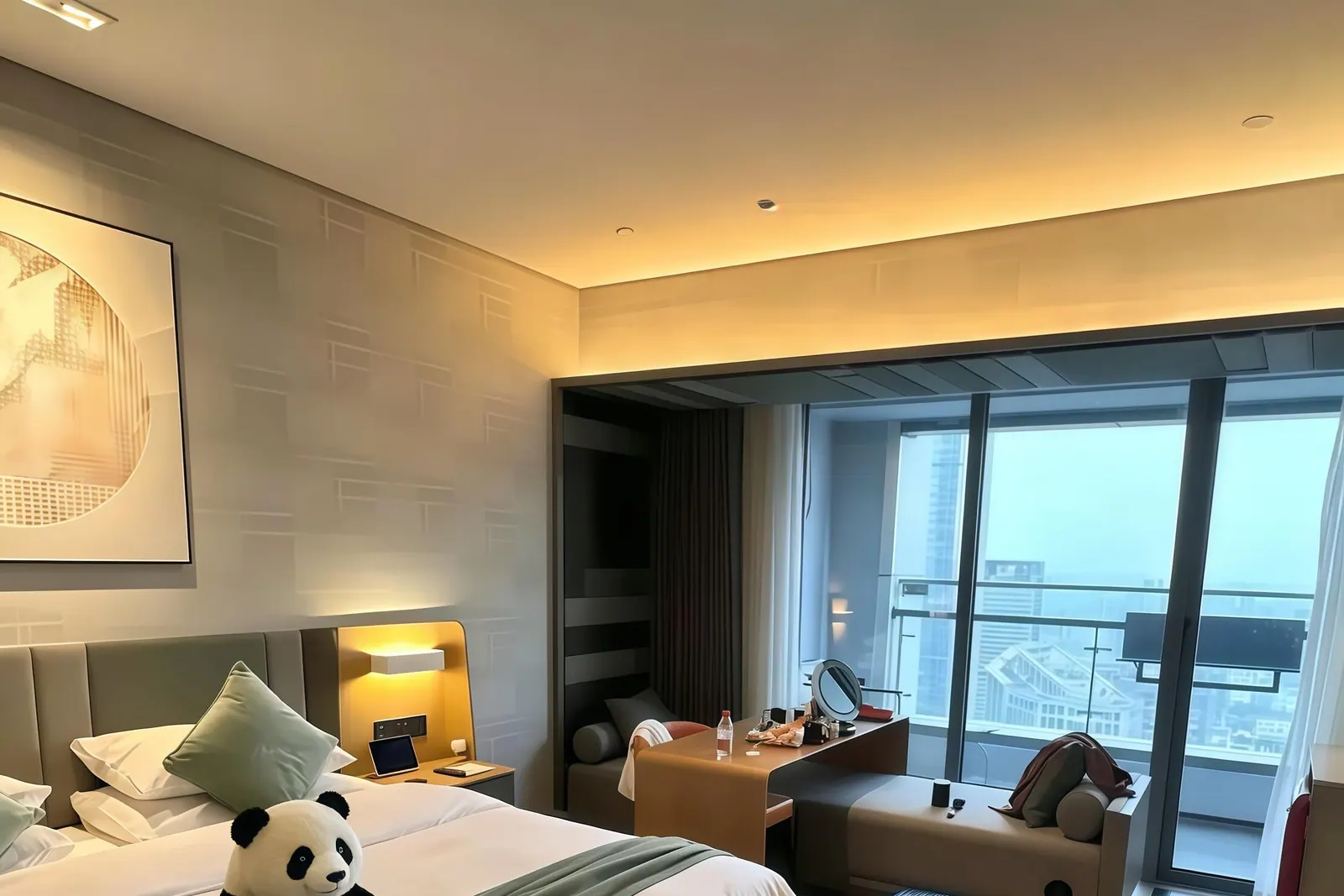
Check the room setup against the booking before unpacking fully. Children may need a prepared sleeping surface immediately after the flight. The first evening is a poor time to discover that an essential internal connection, bed or bathroom feature was only a preference in the reservation.
Day 2: Movement And A Hosted Meal In Beijing
The starting design combines tai chi, Temple of Heaven park context and a courtyard dumpling lunch. These are distinct services with locations, hosts and durations. Confirm the selected arrangements instead of assuming a private host or teacher can accommodate every date and requirement.
Age-aware interpretation can give younger children a mirroring exercise and older children a question about movement or park life. Participation should reflect the person's comfort. A scheduled activity is not a fitness assessment, and its presence should not force a reluctant child or older relative to complete a set routine.
The afternoon is intended for rest or independent time. Ask what remains available in guiding and transport if the family wants something else. A protected window is useful when the traveler can actually use the hotel, eat appropriately and contact the operating team if plans change.
Day 3: A Selected Palace Museum Visit
The Palace Museum requires planning around public opening and reservation procedures. Check the operating date before anchoring the route. Official visitor information lists Monday closure exceptions, seasonal hours and no same-day ticket sales; private guiding does not override those conditions.
The product describes a selected route and age-aware observation mission. Its illustrative time and walking range are not mandatory targets or access guarantees. Ask where the visit begins and ends, what the route includes and which conditions can change it. Historic surfaces, thresholds, crowds and standing remain relevant.
A seated follow-up using maps or replica objects is a separate part of the design, not permission to handle museum objects. Confirm its venue and service. Keep the explanation engaging through questions and selected evidence rather than trying to see every palace display before the day can count as complete.
Day 4: Give Mutianyu Its Own Outing
The Wall day includes road travel, public site procedures, the selected lift and a walking route. An enclosed cable car is public transport unless a different arrangement is explicitly confirmed. It reduces part of the climb but does not remove slopes, steps, uneven stone or boarding requirements.
Choose a shared goal and turnaround point. More active relatives can continue only if supervision, guiding and reunion work. The same guide cannot accompany an older traveler returning and a teenager extending the walk at the same time. Assess essential assistance before making the longer option part of the plan.
The current family product lists a half-day professional photographer and lunch on the Wall day. Confirm coverage, deliverables and relevant permissions in the written booking. Photography does not reserve the Wall or justify extending a relative's walk beyond the agreed limit. The free evening helps keep this substantial day in proportion.
Days 5–6: Rail To Xi'an, Then Archaeology
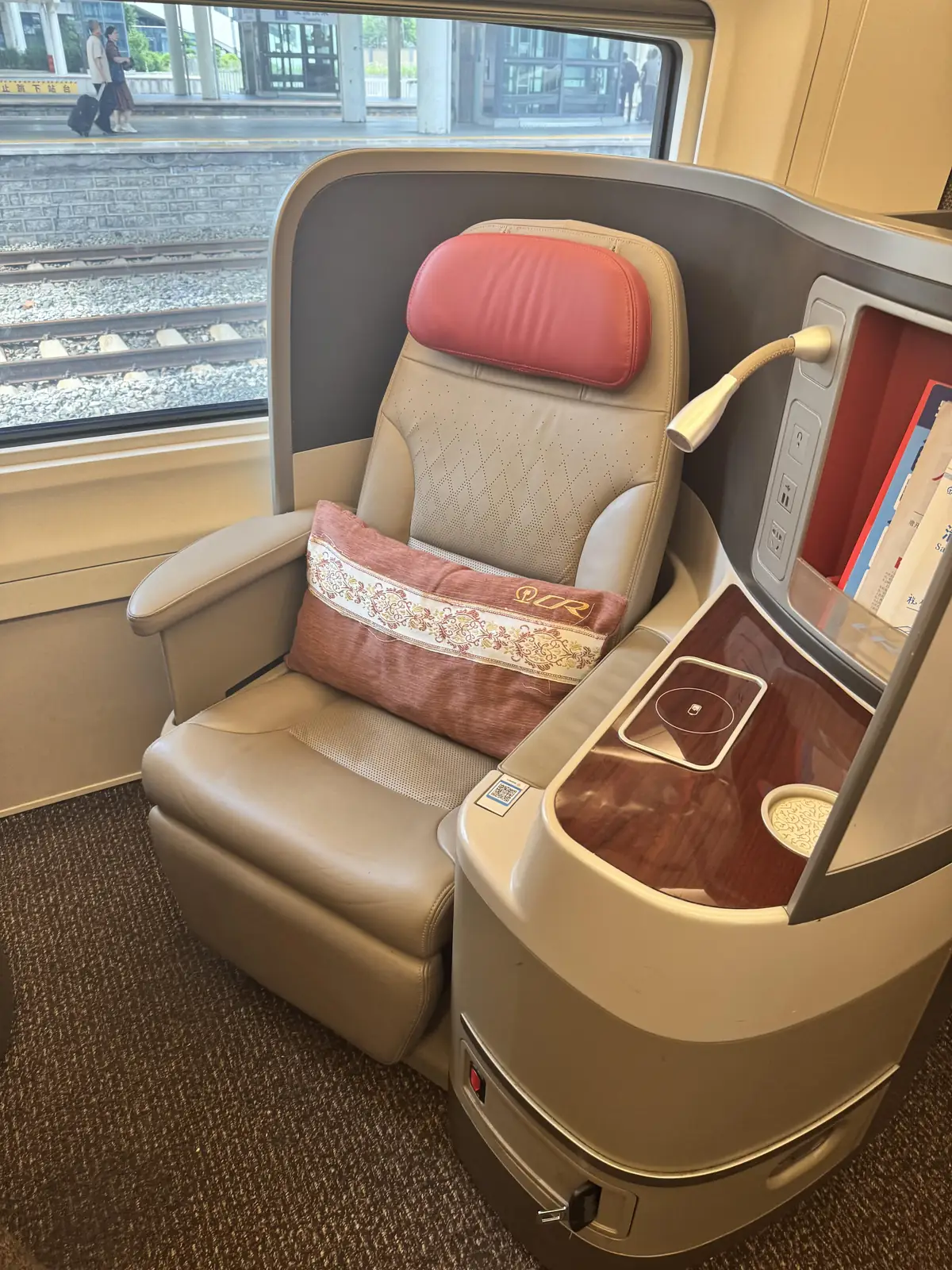
The Beijing–Xi'an sector is published as first-class high-speed rail. The day includes checkout, cases, road transfers, station procedures, boarding and the next hotel. Use the family rail-day guide to examine identity, child seats and handovers rather than judging the move by the train duration alone.
A short city-wall visit after arrival depends on timing and energy. The selected mode must be permitted and confirmed. Bicycles, tandems and carts are not automatically interchangeable included alternatives, and a later arrival may make the optional activity inappropriate.
The next day centers on the Terracotta Warriors and a clay studio. Planned entry timing is not a queue-free guarantee. Select the meaningful museum areas, account for standing and hard surfaces, then review whether the studio fits after lunch. Confirm drying and packing for anything the family makes rather than promising immediate ready-to-pack objects.
At the midpoint of your comparison, review the 12-day family product against the actual ages, room setup and walking requirements. Request the main activity and shorter version of each demanding day in the dated proposal.
Days 7–8: Reach Chengdu And Observe Pandas
The Xi'an–Chengdu move is another first-class rail day, with its own stations and handovers. Keep the arrival teahouse introduction optional where the published design allows. A late or tiring transfer should not require the family to complete another activity before receiving its room and a meal.
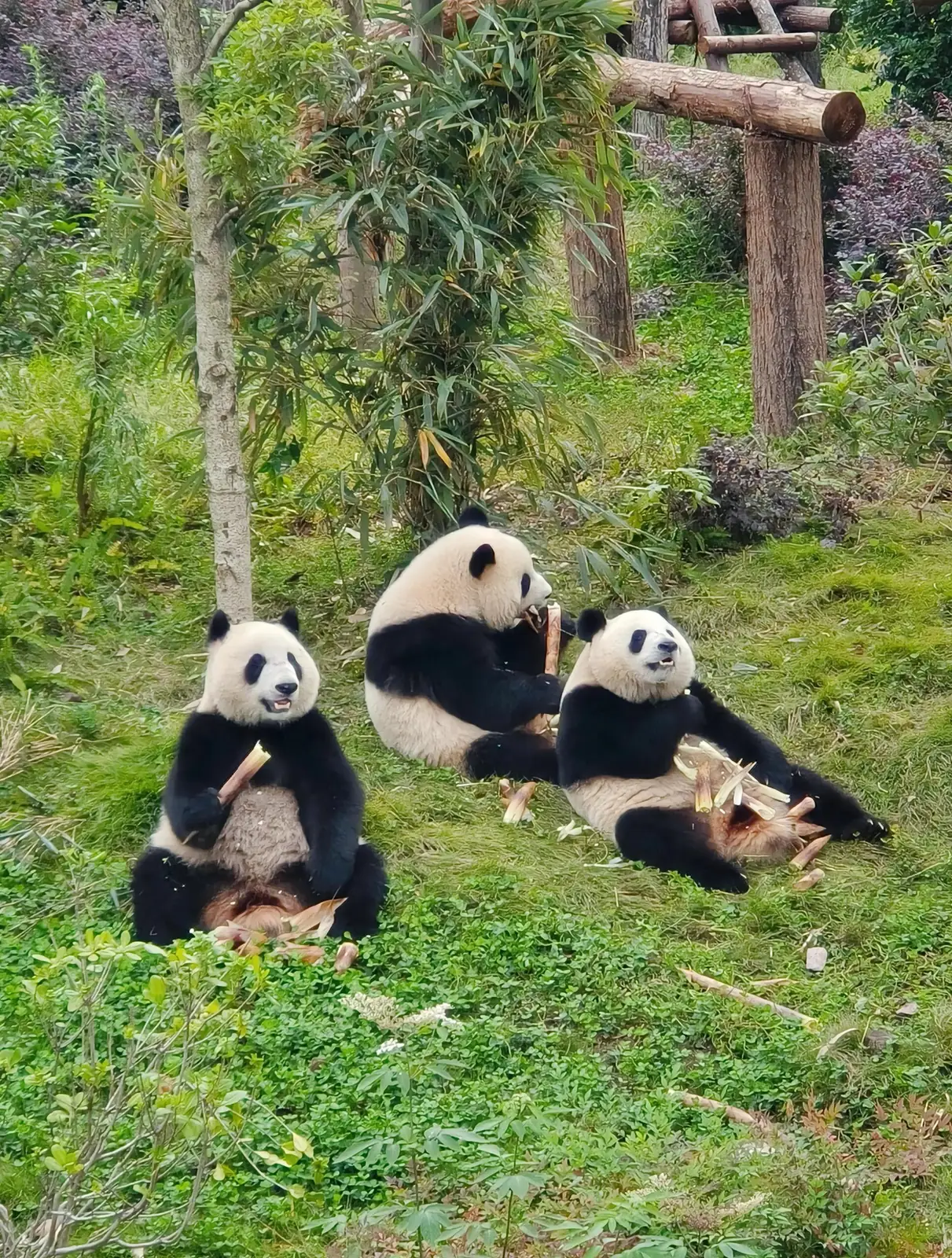
The panda visit is a morning excursion with the afternoon free of scheduled sightseeing. Choose the exact facility, entry period, gate and selected route. Chengdu Research Base and Dujiangyan Panda Valley have separate admission arrangements; a generic reference to pandas does not identify the actual booking.
Current official guidance governs admission and visitor behavior. Animals may rest, remain indoors or be out of view, and areas can close for welfare or operations. Ordinary admission does not include holding, feeding, keeper access or a specific performance. Any specialist interpretation needs its own authorized and confirmed service.
Day 9: Select One Chengdu Option
The published choice is a private Sichuan kitchen, Sanxingdui, a suitable Leshan plan or a rest day. These are different excursions, not four included activities to fit into one day. Select one before booking so the host, admissions, meals, transport and service hours can be priced and reserved.
A kitchen needs age suitability and dietary questions answered. Sanxingdui involves a museum visit and its own reservation and travel context. Leshan requires a specific feasible land or river plan; a boat or route can depend on weather and operations. Do not assume that changing the headline option leaves all costs and access unchanged.
If you choose rest, ask what support remains and whether any guide or vehicle is on standby. A free calendar does not automatically provide unlimited services or a refund. Change and cancellation terms determine the consequence of altering a previously selected option.
Days 10–12: Shanghai With One Main Full Day
The Chengdu–Shanghai sector is published as a nonstop economy flight, subject to the confirmed schedule and baggage basis. Count airport movement and hotel access. A short skyline introduction after arrival remains optional; do not attach an essential nonrefundable experience to an uncertain arrival window.
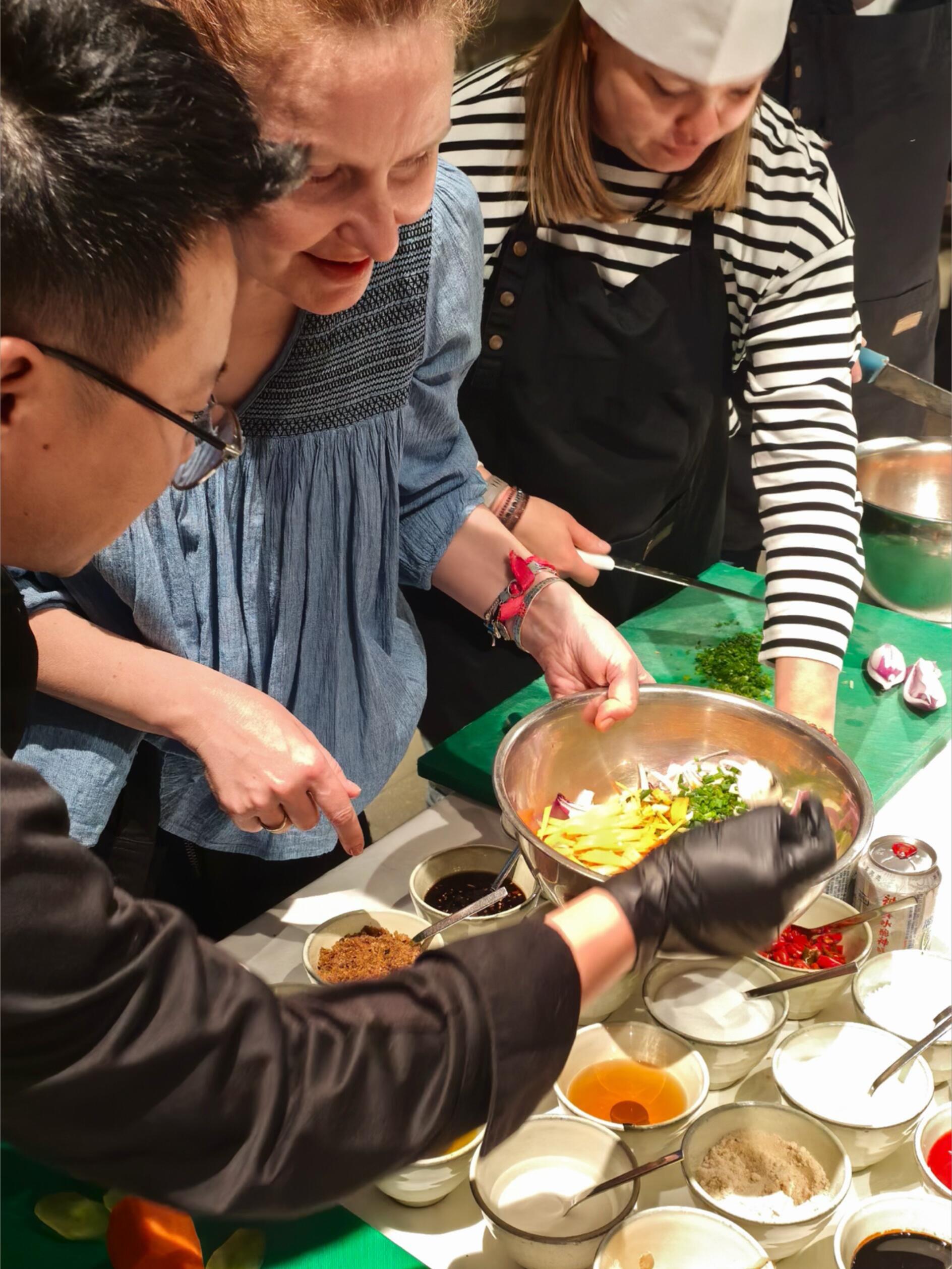
The next day combines a brief neighborhood introduction where suitable, a private kitchen lunch, a protected afternoon and the included farewell dinner. A longer architecture outing would need to replace or alter another element by agreement. Two Shanghai nights do not create room for an unlimited city checklist.
Day twelve is departure and the agreed airport transfer. Confirm the actual flight and pickup plan. Do not add an attraction merely because a late flight appears to leave spare hours; checkout, bags, road travel and airline procedures still determine the usable window.
Check Price And Age Fit Separately
The current first-party starting price is USD 5,290 per person, based on two adults and two children aged six to eleven sharing two rooms outside peak periods. It is not a dated quote or a universal child discount. The family-of-four cost guide explains how rooms, dates and selected services affect the total.
The route is marketed for families with children aged six to seventeen, while the price example uses a narrower age group. That is a product brief, not developmental or medical advice. The age-fit guide helps test interests, routines and practical requirements rather than treating the advertised bracket as automatic suitability.
Before-Booking Checklist
- Confirm traveler ages, dates and the eleven-night distribution.
- Resolve essential rooms, transport, dietary and assistance requirements.
- Select the Chengdu option and any genuinely optional activity.
- Review actual guide days, vehicle coverage, meals and included tickets.
- Identify restrictions, unresolved supplier questions and acceptable alternatives.
- Request the party total, payment schedule and change or cancellation terms.
Expert Insider Tips
Review The Route Against Your Real Family
Use the 12-day family journey with pandas to request a dated service outline showing the eleven nights, full transfer days and selected activities. Resolve the essential room, access and assistance questions first, then decide which optional additions genuinely improve the trip.