Answer Brief
The Answer, Briefly
Nine days can cover Beijing, Xi'an and Shanghai, but the route has only eight hotel nights and little recovery space. Use four nights in Beijing, two in Xi'an and two in Shanghai. Give the Great Wall and Terracotta Army separate days, count both intercity transfers honestly and keep arrival evening flexible. If the flights remove a usable day, extend the trip or reduce the scope.
Key Takeaways
- Count eight nights for this nine-day framework; international flight days outside China are additional.
- Use two transfer days, not two imaginary extra sightseeing days.
- Choose a focused Beijing palace visit, one Wall day and one dedicated archaeology day.
- Compare the published ten-day product before assuming this shorter framework has the same service scope.
The first-trip planning guide explains the order of decisions. This article addresses one fixed constraint: how to use nine calendar days in China without presenting a ten-day route under a shorter title.
The Route At A Glance
This is an editorial framework, not a claim that a nine-day package is currently sold with fixed inclusions. Actual reservations, opening arrangements and flight times determine whether it can be operated for your dates.
| Day | Main focus | Overnight | Planning constraint |
|---|---|---|---|
| 1 | Arrive in Beijing and settle in | Beijing | Do not depend on an early arrival |
| 2 | A focused imperial-city visit | Beijing | Confirm Palace Museum opening and admission |
| 3 | Mutianyu Great Wall | Beijing | Treat as the main outing |
| 4 | Beijing culture and one selected site | Beijing | Keep enough flexibility for weather changes |
| 5 | Beijing to Xi'an | Xi'an | Count station access and arrival transfer |
| 6 | Terracotta Army | Xi'an | Keep the museum visit away from a flight connection |
| 7 | Xi'an to Shanghai | Shanghai | Protect the evening from a fixed paid highlight |
| 8 | Shanghai neighborhoods and waterfront | Shanghai | Choose a coherent route rather than every landmark |
| 9 | Depart Shanghai | None | Allow airport transfer and check-in time |
If Day 1 is only a late hotel arrival and Day 9 starts before breakfast, the plan still has nine calendar dates but far fewer sightseeing days. That is why an itinerary should show flight times beside the day numbers.
Days 1 And 2: Arrive, Then Choose A Beijing Story
Use the first day for entry procedures, luggage, meeting the driver and hotel check-in. A light neighborhood walk may be possible if everyone feels comfortable, but it should remain optional. Do not reserve an important timed visit on the assumption that the incoming flight will land punctually.
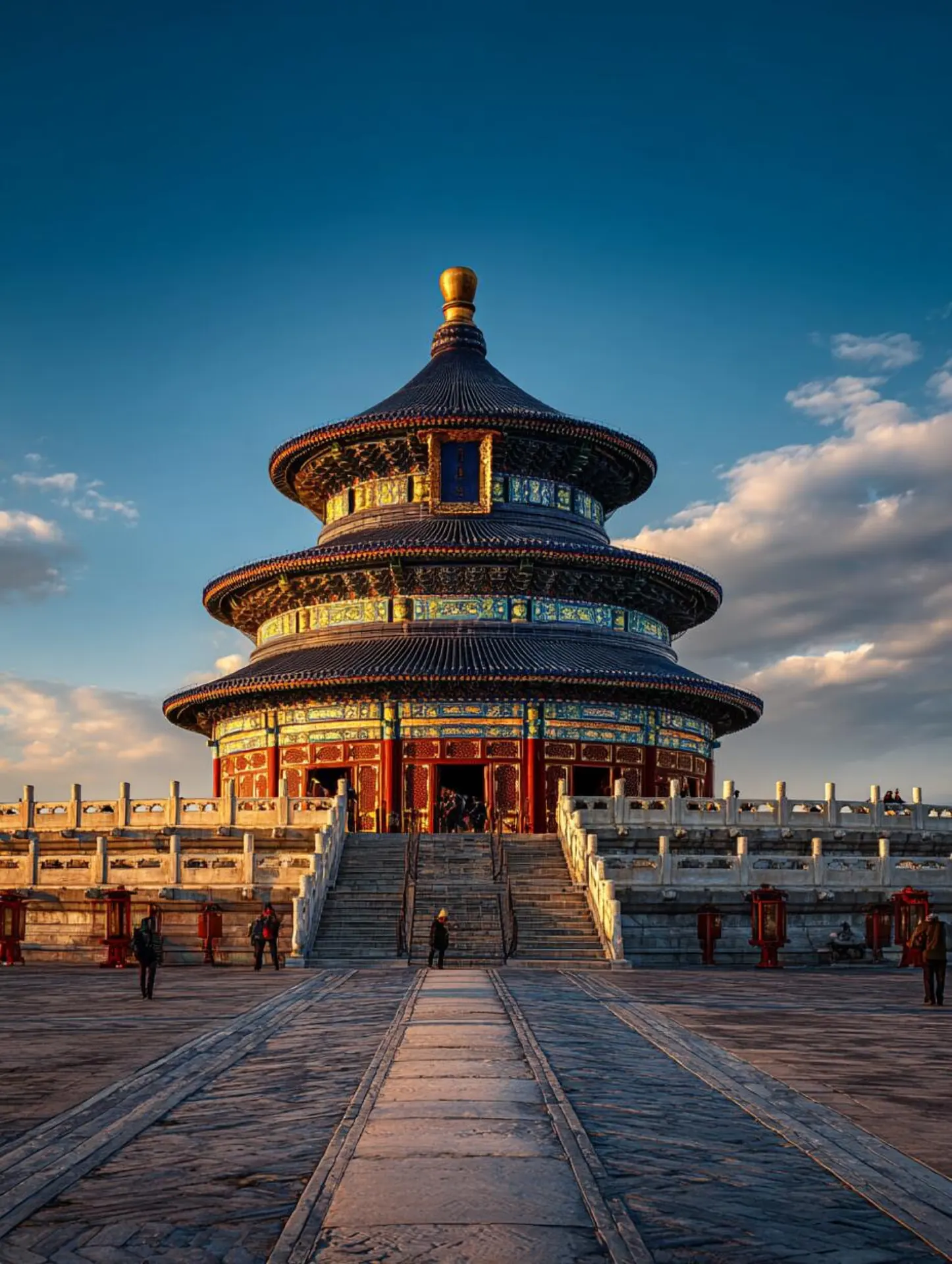
The second day can focus on the Forbidden City and its historical setting. Confirm the museum calendar before deciding which numbered day carries the visit. A Monday closure or special notice can require reordering the Beijing sequence.
The aim is a coherent route, not every courtyard. Security, walking and outdoor exposure all count toward the day. A private guide can organize the explanation, but cannot move the hotel vehicle inside the protected complex whenever someone wants a rest.
Allow a seated break or straightforward lunch before deciding whether the party wants another visit. A traveler recovering from a long-haul flight may appreciate a shorter afternoon more than another ticket added to the schedule.
Day 3: Keep Mutianyu As The Principal Outing
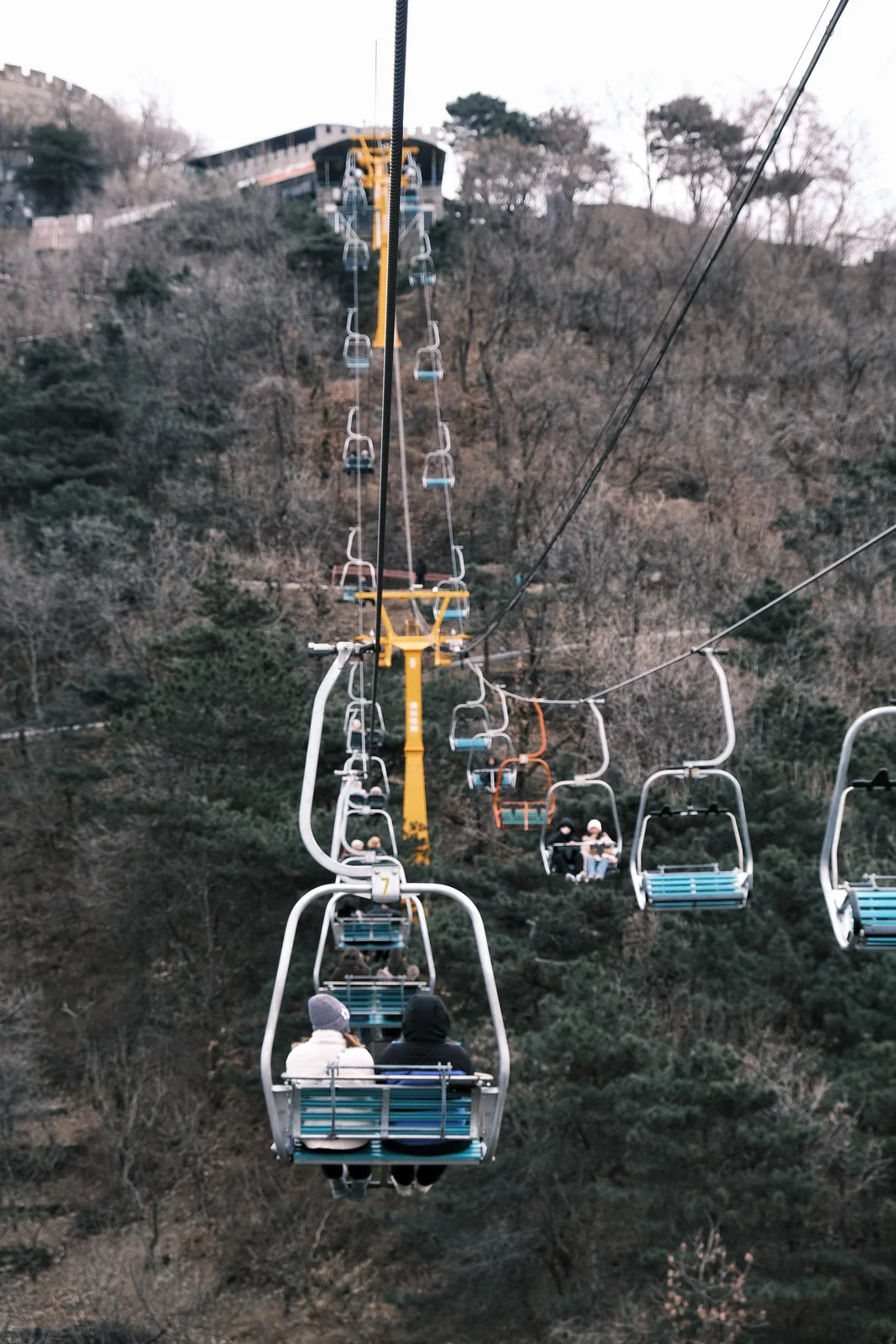
Choose the ascent and the wall section together. Mechanical ascent reduces the mountain climb without making the historic wall level or continuously accessible. Boarding ability, gradients, original stone and standing in queues still matter.
Departure time depends on hotel location, the season and the agreed service window. A single universal driving time or pickup hour is not reliable for every Beijing hotel. Ask for the actual transfer plan and the included services.
Do not add a second distant landmark simply because a brochure offers the combination. The outward and return access processes, road journey, lunch and time on the Wall already make a full excursion for many first-time visitors.
For the physical decision, consult the Mutianyu walking and cable-car guide. The right choice may be a short out-and-back rather than a traverse requiring another descent system.
Day 4: Use The Last Beijing Day Deliberately
Choose one strong priority: a garden landscape, a temple setting, neighborhood culture or a slower city day. Consider the location of the next morning's railway departure when assessing hotel and vehicle logistics.
A spare choice in Beijing also gives some room to move an outdoor visit when conditions allow. It does not guarantee that tickets, guides and equipment can all be shifted at short notice. Identify which reservations are fixed before calling the day flexible.
Families can use part of the day for a subject the children care about rather than another large historic complex. Travelers who are already tired should not feel obliged to fill every available hour because the holiday is short.
Day 5: Move To Xi'an Without Disguising The Transfer
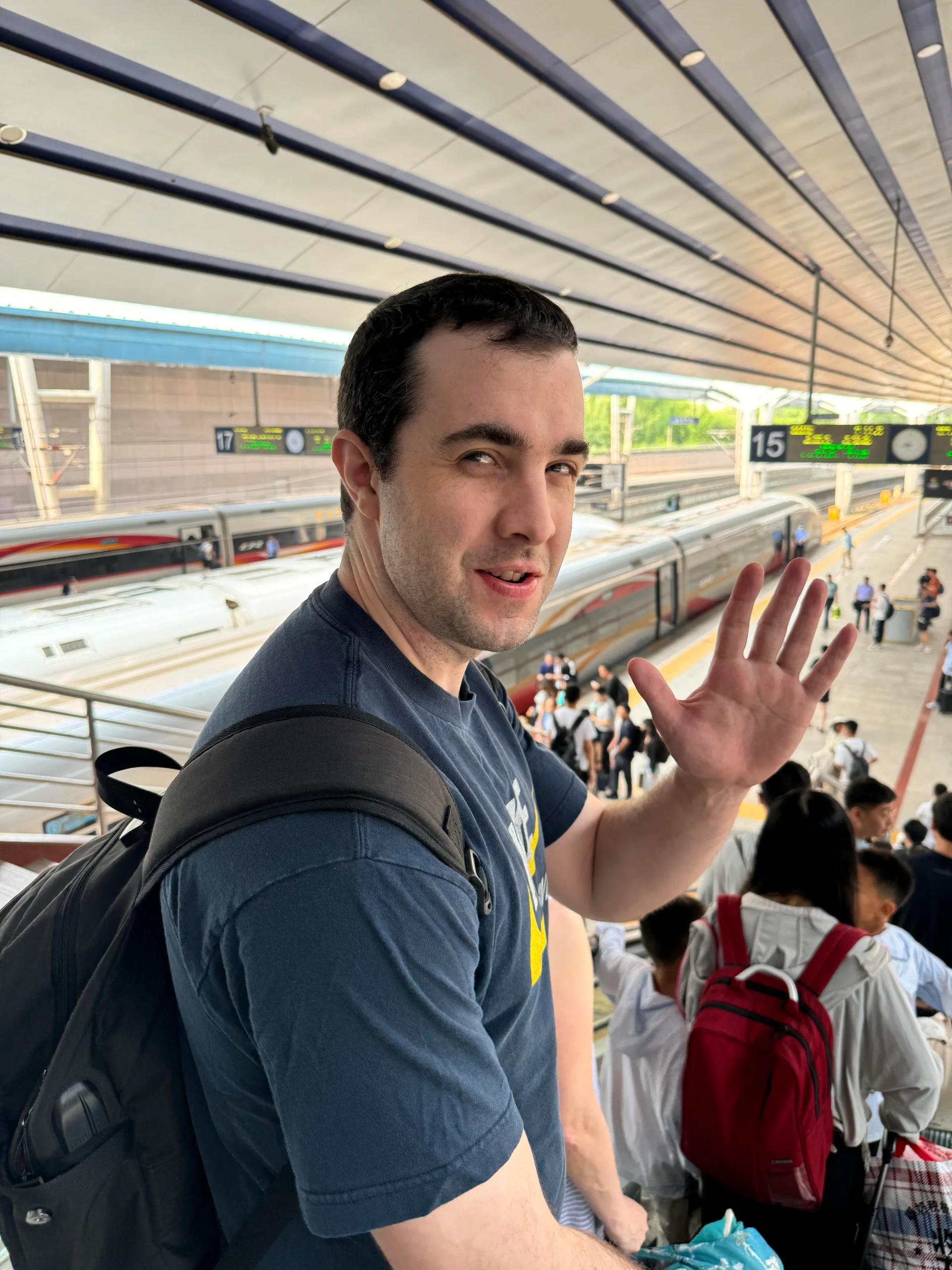
High-speed rail is one option for this leg. Compare the actual service, departure station, hotel transfer, luggage handling and arrival arrangements before choosing a train. The time printed on the rail ticket is only one part of the travel day.
Pack essential medication, documents and a simple snack where they remain accessible. Check who helps at the departure station and where the Xi'an team meets you. A driver dropping you outside a station is different from assistance through the full boarding process.
On arrival, use the remaining time for checking in, a meal and an optional short introduction to the city. Avoid treating the Terracotta Army as an easy add-on to a rail arrival. A delayed service should not consume the only opportunity for the archaeology visit.
The China high-speed train guide covers the document and boarding process. Train class alone does not determine how easy the entire transfer feels.
Day 6: Give The Terracotta Army Its Own Space
The museum is outside central Xi'an, so the day includes road travel and the access process as well as time in the exhibition areas. Match the ticket slot to the actual hotel departure and leave a margin for traffic and entry.
Decide how much of the wider museum complex belongs in the visit. Ticket coverage and itinerary time are different matters. A guide can explain the main excavations without assuming every traveler wants the same amount of detail in every area.
Back in the city, choose dinner or an optional short walk according to energy. A city-wall activity or evening performance is another decision with its own timing and physical demands. Do not make both mandatory after the museum day.
Day 7: Travel To Shanghai And Leave The Evening Open
Compare suitable flights and trains using hotel-to-hotel time. An apparent saving in airfare can disappear into inconvenient airport access or an arrival too late to enjoy the evening. Timetables and availability must be checked for the actual date.
Shanghai has different arrival airports and railway stations, so confirm which one is in the reservation and how it connects to the hotel. A central address may still add a substantial road transfer depending on traffic.
If the day runs well, a first waterfront view can be a pleasant option. Keep an expensive, nonrefundable evening activity away from an uncertain incoming connection. A late arrival should not turn a transfer problem into a second lost reservation.
Days 8 And 9: One Real Shanghai Day, Then Departure
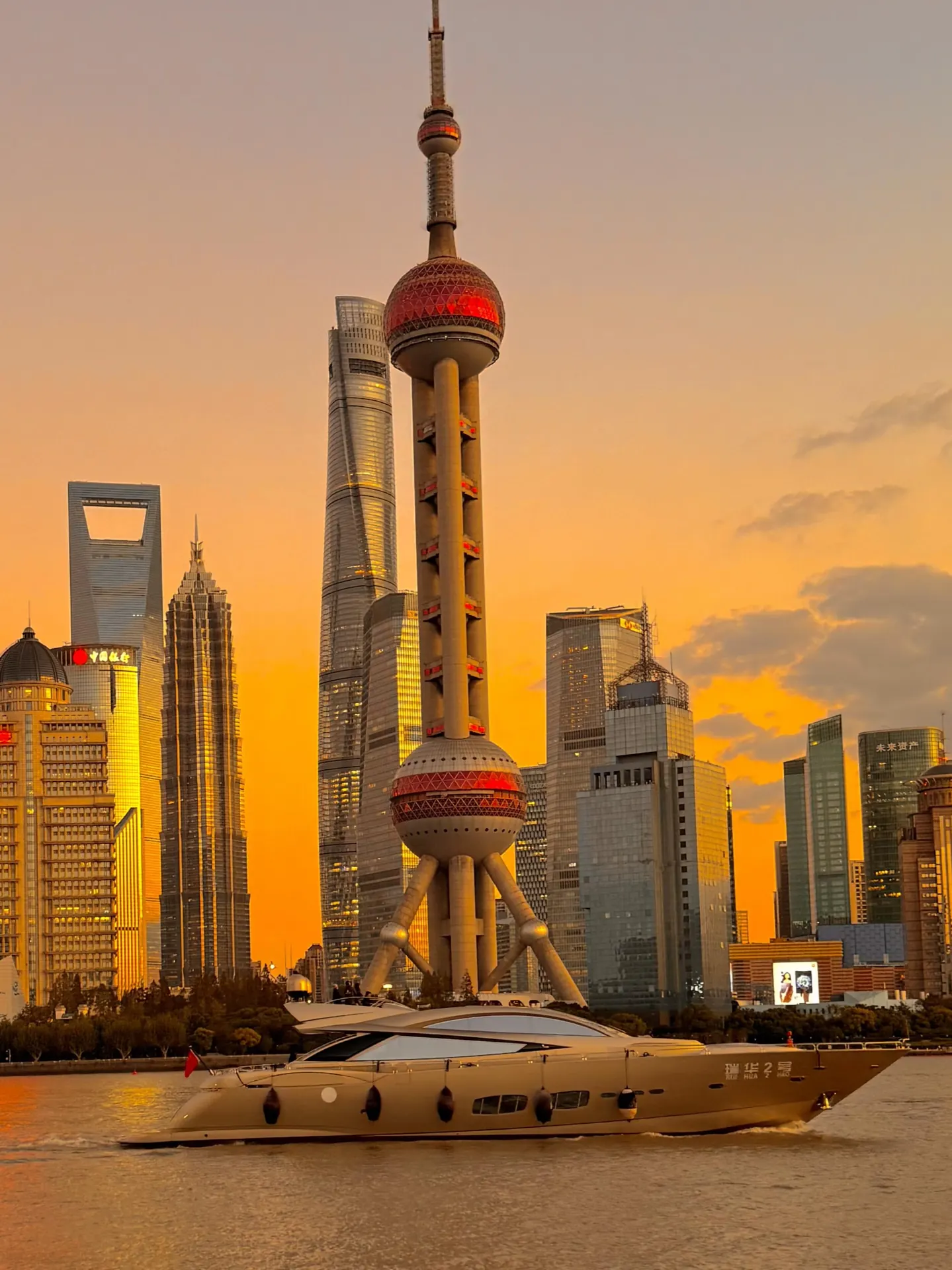
Choose a coherent city route using neighborhoods, architecture and a waterfront perspective. Crossing the river, visiting an interior attraction and walking a shopping district all take time; they should not be treated as adjacent photo stops.
The practical limit is one complete city day. A separate Suzhou or Hangzhou excursion would take that day away from Shanghai rather than simply extending the same visit. If a water-town or garden day is a priority, add time or reconsider the city allocation.
On departure day, work backward from the booked flight and airline instructions. Identify the correct airport and terminal, road transfer and check-in needs. Avoid reserving a final attraction until that calculation shows a genuinely usable window.
Nine Days Versus The Published Ten-Day Journey
The published Beijing, Xi'an and Shanghai private tour is a ten-day product. Its pricing and service schedule should not be copied into this nine-day editorial framework or prorated by dividing the price by ten.
One extra day may protect a complete Shanghai day, recovery time or a less pressured departure sequence, depending on the design. The difference is more useful than a promise that the same list can always be delivered faster.
For a date-specific proposal, send the flight times, preferred hotels, party details and essential visits. Ask which services would change if nine days is a hard limit. Review the product now for the published service basis, then request the actual shorter configuration rather than assuming it already exists.
For a service-by-service comparison, read the current three-city private-tour explanation. It explains the legacy address, nine-night allocation and the difference between independent time and scheduled support.
Expert Insider Tips
Choose The Time Limit Before Paying
Compare the current ten-day private journey and send the actual flights if nine days is fixed. Ask for an explicit account of what would be shortened, omitted or quoted differently before accepting the route.