Answer Brief
The Answer, Briefly
A ten-day Yunnan itinerary usually has nine nights. Choose Kunming, Dali, Lijiang and Shangri-La for a capital-gateway route, or Dali, Shaxi, Lijiang and Shangri-La for longer Tea Horse Road time. Both use four bases. The choice depends on flights, interests and altitude suitability; adding every stop from both versions creates another move and less recovery. Keep the first highland evening light and check mountain excursions separately from overnight elevations.
Key Takeaways
- Choose four bases and account for all nine hotel nights.
- Use Kunming for its gateway or Stone Forest value; choose Shaxi for longer village time.
- Treat highland health and mountain excursions as separate decisions.
- Confirm courtyard-hotel access and luggage handovers before choosing atmosphere alone.
Neither is universally better. Choose Kunming when flight access, the Stone Forest or a broad first overview matters most. Choose Shaxi when you would rather have one continuous private road journey, smaller places after the day visitors leave, and a more gradual transition between Dali and Lijiang.
| Route | Best for | What it gains | What it gives up |
|---|---|---|---|
| Kunming, Dali, Lijiang, Shangri-La | First overview and Kunming flight connections | Provincial capital and optional Stone Forest | More transport transitions and less village time |
| Dali, Shaxi, Lijiang, Shangri-La | Culture, landscape and a slower private journey | Tea Horse Road continuity and two Shaxi nights | Kunming and the Stone Forest |
Ten calendar days usually mean nine nights. Arrival and departure are real operating days, not empty labels. Trying to add Kunming, Dali, Shaxi, Lijiang and Shangri-La in that space produces a list of names and a trail of half-packed suitcases.
Route One: The Conventional Kunming Gateway
This version works well when international or domestic air schedules make Kunming the cleanest entry point.
| Day | Overnight | A realistic shape |
|---|---|---|
| 1 | Kunming | Arrive, recover and keep the first evening light |
| 2 | Kunming | City interests or a properly timed Stone Forest day |
| 3 | Dali | Travel to Dali, check in and avoid overloading the transfer day |
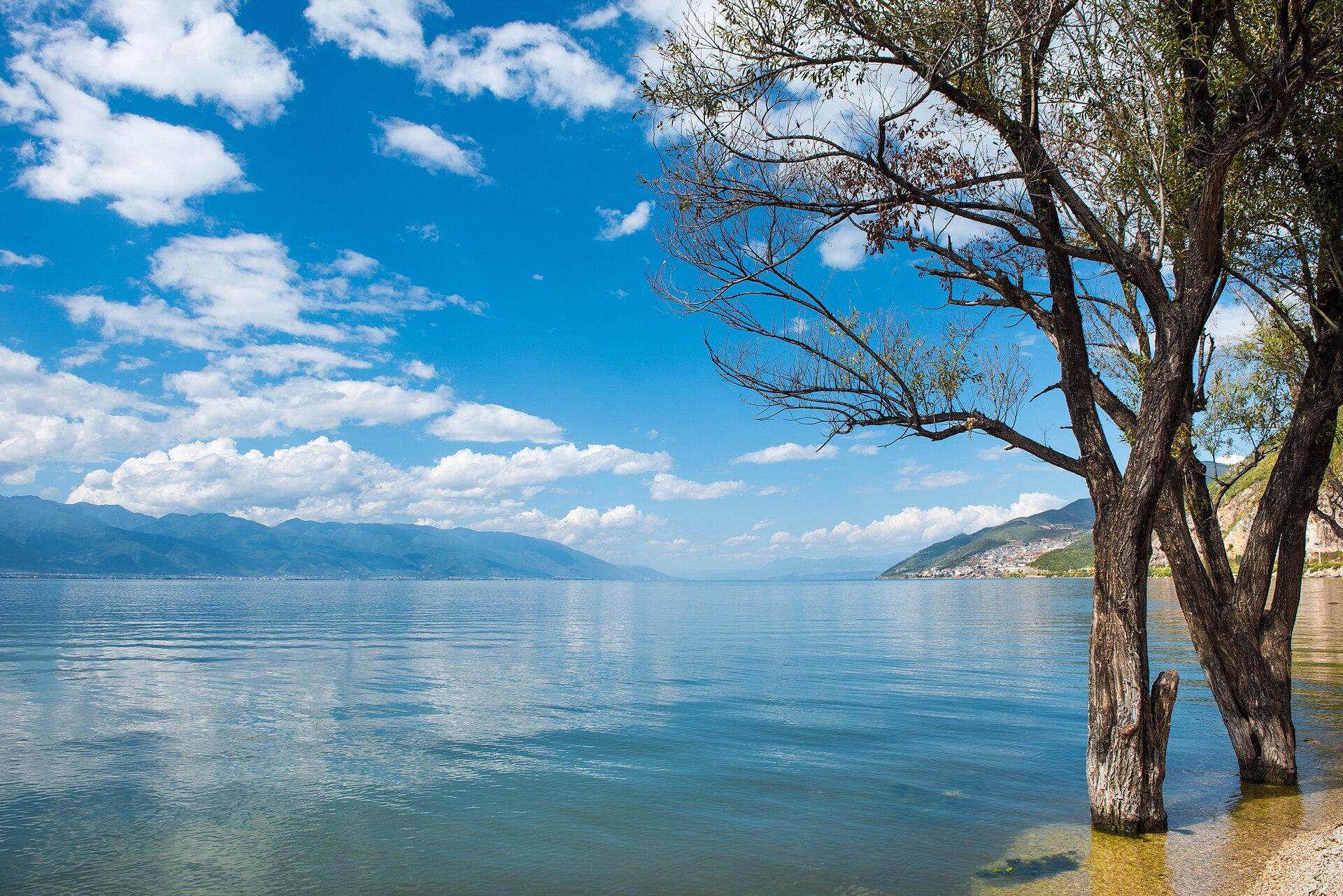
| 4 | Dali | Xizhou, Bai culture and Erhai landscape |
| 5 | Lijiang | Continue to Lijiang with one meaningful stop |
| 6 | Lijiang | Old town, Baisha and Naxi cultural context |
| 7 | Shangri-La | Travel north, with a condition-dependent gorge stop |
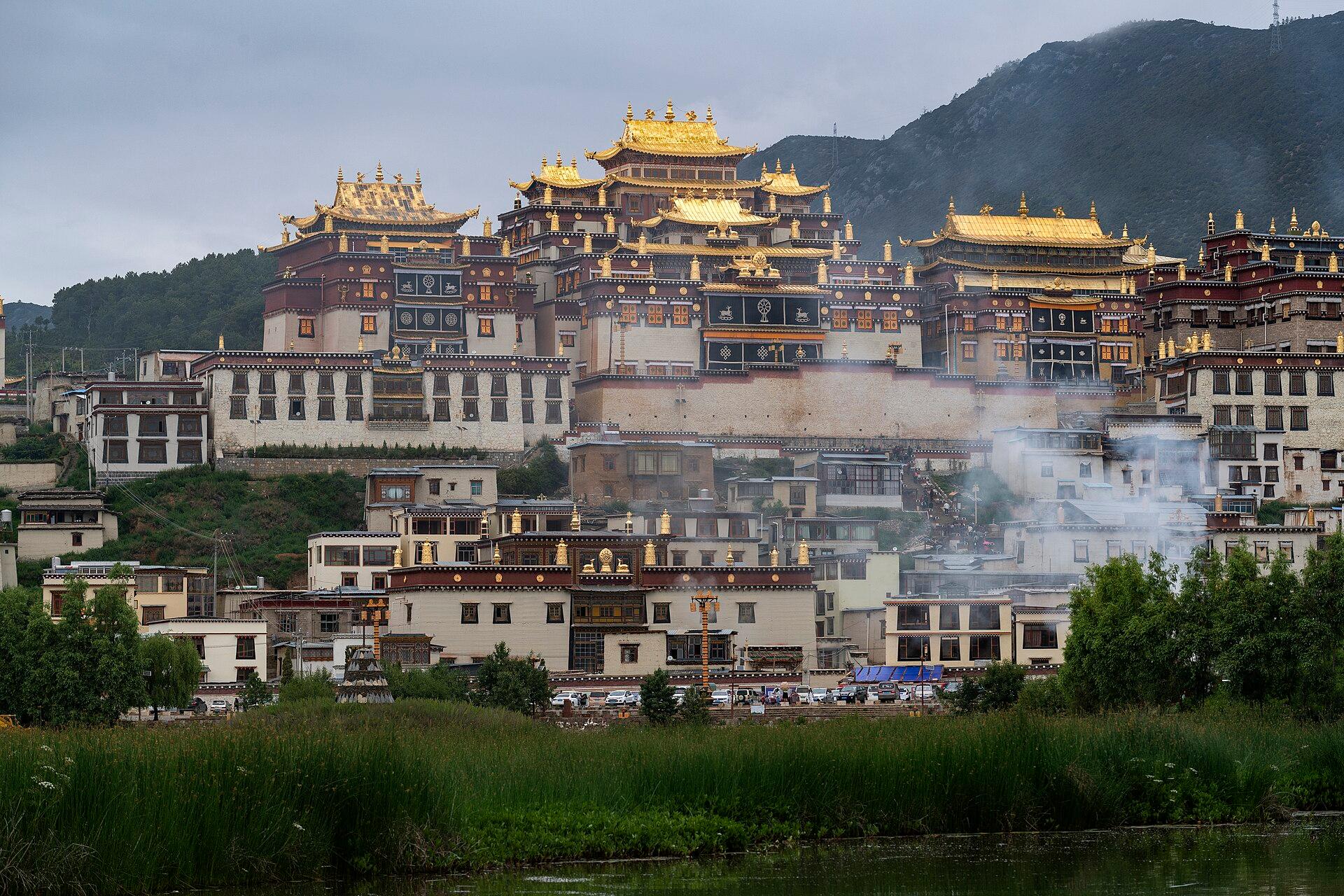
| 8 | Shangri-La | Songzanlin and a deliberately moderate highland day |
| 9 | Shangri-La | Flexible landscape, cultural or rest day |
| 10 | Depart | Fly out or continue with a protected connection |
The weakness is not the route itself; it is the temptation to make Day 2 the Stone Forest, Day 3 a rushed transfer plus full Dali tour, and every following day equally full. Yunnan's elevations, road distances and weather do not reward a timetable built only from attraction opening hours.
Route Two: Dali To Shangri-La Along The Tea Horse Road
AVIORA's preferred ten-day cultural route starts in Dali and ends in Shangri-La. It uses one northbound road sequence and gives Shaxi enough time to become a place rather than a lunch stop.
| Day | Overnight | A realistic shape |
|---|---|---|
| 1 | Dali | Arrival transfer, rest and route briefing |
| 2 | Dali | Xizhou, Bai architecture and a working artisan visit |
| 3 | Dali | Tea, landscape and an unscheduled afternoon |
| 4 | Shaxi | Private drive of roughly 3 to 4 hours plus selected stops |
| 5 | Shaxi | Shibaoshan selectively explored and Shaxi after dark |
| 6 | Lijiang | Private drive of roughly 2.5 to 3 hours, then a quieter old-town route |
| 7 | Lijiang | Baisha, Naxi culture and a chosen mountain level |
| 8 | Shangri-La | Tiger Leaping Gorge viewpoint and 4.5 to 6 hours on the road including stops |
| 9 | Shangri-La | Songzanlin, highland life or lodge rest according to response to altitude |
| 10 | Depart | Protected airport transfer or a separately designed extension |
The road times are planning ranges, not promises. Weather, traffic, road controls and the exact stop pattern can change them. The value of a private vehicle is not speed; it is the ability to protect luggage, choose worthwhile pauses and change the day when conditions or energy require it.
Why Shaxi Changes The Journey
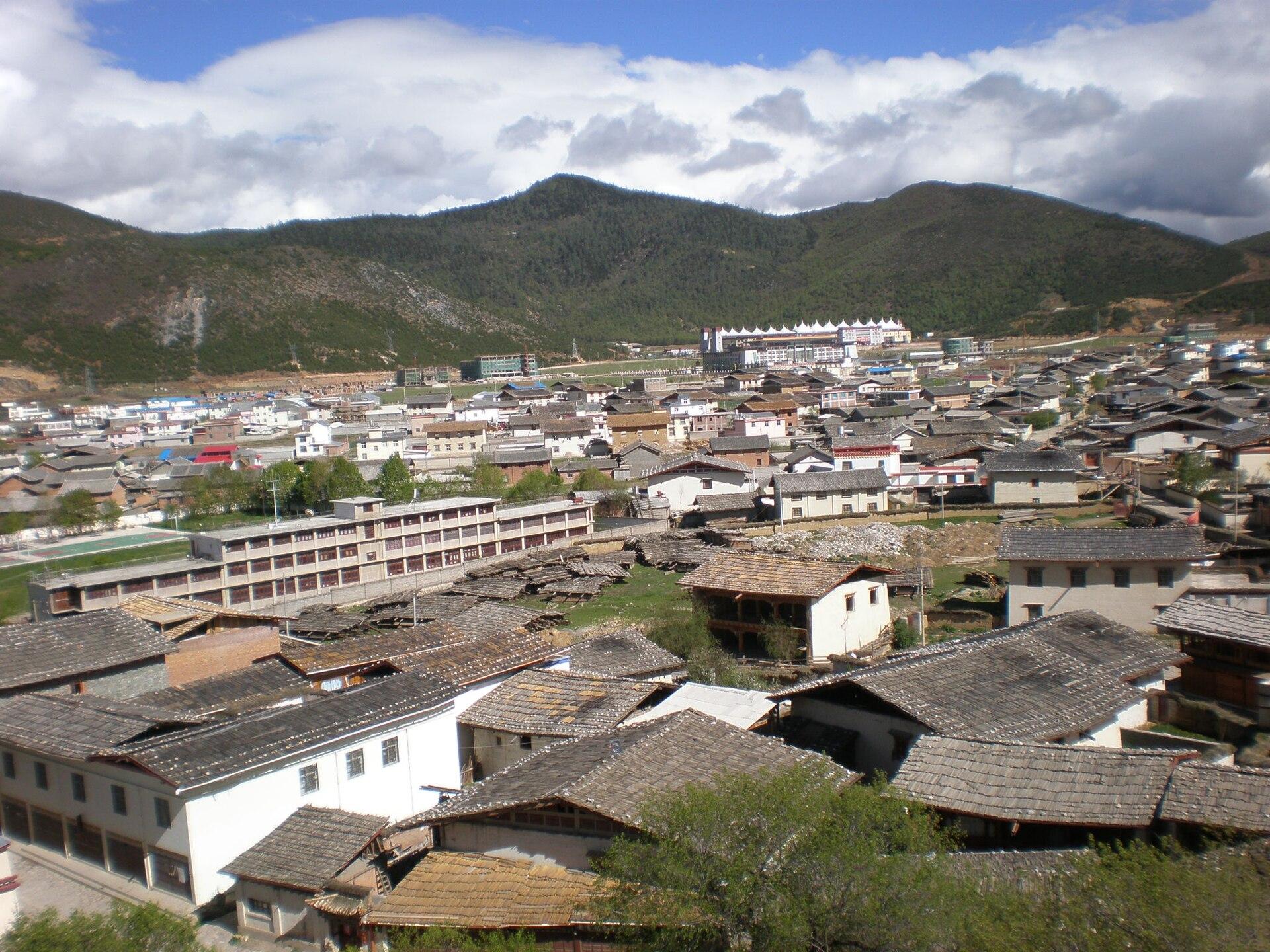
Shaxi sits between Dali and Lijiang geographically, but its real value is temporal. With two nights, travelers can see Sideng Square after the through-traffic thins, use the middle day for Shibaoshan at an appropriate level, and return without immediately packing again.
A single lunch stop gives photographic evidence that a traveler visited. Two nights give the place a beginning, middle and end. That distinction matters to travelers choosing Yunnan for living culture rather than only famous old-town skylines.
The hotel choice needs careful inspection. A restored courtyard may contain thresholds, stairs, compact bathrooms or a vehicle meeting point beyond the door. Heritage atmosphere should be matched to the actual traveler, not treated as proof of comfort by itself.
Altitude Should Shape The Order
Dali is around 1,970 metres above sea level, while Shangri-La is roughly 3,200 metres. Individual response varies, and a gradual route does not guarantee freedom from symptoms. It does, however, avoid flying directly into the highest overnight point at the beginning of a busy itinerary.
On the northbound route, the first Shangri-La evening stays free for warmth, hydration and rest. The next day should retain an exit: a guest can shorten the monastery visit, skip an optional activity or remain at the lodge without breaking a chain of prepaid headline sights.
Travelers with heart, lung or other relevant conditions should seek advice from a qualified clinician before booking. A tour planner can reduce stairs, protect rest and confirm vehicle access; it cannot assess medical fitness for altitude.
Tiger Leaping Gorge Does Not Have To Mean A Trek
Search results often collapse Tiger Leaping Gorge into multi-day hiking. The gorge can also be experienced from a selected road-access viewpoint while traveling between Lijiang and Shangri-La. The correct stop depends on current access, weather, road controls and walking comfort.
We do not force a hike into the day to make the itinerary look more adventurous. A viewpoint stop still lengthens an already substantial transfer. The group needs enough daylight and energy left for a calm highland arrival.
Lijiang Needs Timing, Not More Attractions
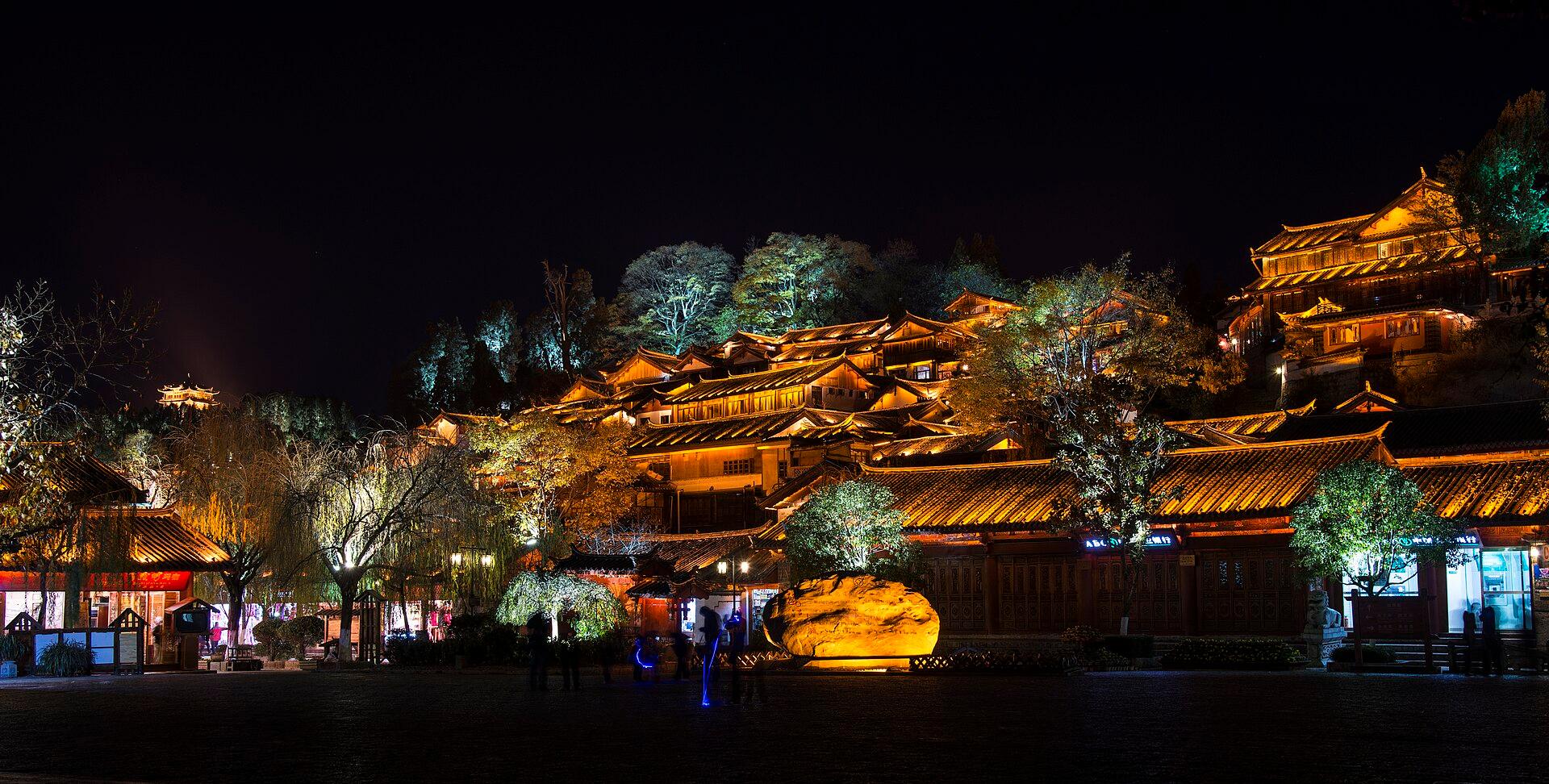
Lijiang Old Town is internationally recognized and heavily visited. A stronger day begins away from its loudest commercial lanes, uses Baisha or another surrounding area to explain Naxi history, and enters the old town when visitor flow is more forgiving.
Jade Dragon Snow Mountain is not a single fixed excursion. Available elevations, cableways, weather and reservation conditions affect the day. We ask whether the traveler wants a high mountain experience, a lower landscape day or deeper cultural time before assigning the most demanding version by default.
How To Choose Between The Two Routes
Choose the Kunming version when:
- the best flights naturally use Kunming;
- the Stone Forest is a genuine priority;
- the traveler wants a broad first survey; or
- a private through-vehicle from Dali is not part of the travel style.
Choose the Tea Horse Road version when:
- two nights in a smaller heritage town matter more than the provincial capital;
- a continuous northbound road narrative has value;
- the group wants a gradual altitude progression; or
- private guides, local cultural access and adjustable pacing are central to the trip.
Our published 10-day private Yunnan journey follows the second route. It is not a template pasted onto every inquiry. Dates, room access, altitude concerns, road conditions and arrival gateway are reviewed before the proposal is confirmed.
Check Nine Nights Against The Transport Plan
The Dali–Shaxi–Lijiang–Shangri-La outline totals 3 + 2 + 2 + 2 = 9 nights. The Kunming version totals 2 + 2 + 2 + 3 = 9 nights. Both use four bases and three hotel changes. The first route gains Shaxi time; it does not gain fewer hotel changes by arithmetic alone.
Use the Dali, Shaxi, Lijiang and Shangri-La route guide to compare the cultural sequence. Any connecting flight or railway gateway outside those nine nights must appear separately. An attractive Dali arrival fare loses some of its advantage if it requires an uncounted overnight on the way.
Separate Overnight Altitude From Excursion Altitude
Read the Shangri-La altitude planning guide before committing to the highest overnight base. Then discuss any Jade Dragon Snow Mountain excursion separately: a hotel at one elevation does not describe the day’s maximum exposure, cableway level or evacuation options.
Ask who contacts local medical help, where the party can shorten the route and how a changed hotel night or transfer would be handled commercially. A vehicle, oxygen amenity or shorter walking route is not a medical clearance. When health concerns are relevant, settle them before deposits narrow the alternatives.
Use Culture Time Without Assuming Private Access
A named artisan visit or tea session should specify the host, language, duration, group format and whether purchases are involved. Do not assume a village walk includes entry to private homes. If no compulsory shopping is important, put that expectation into the proposal and distinguish an optional retail request from the day’s main cultural content.
The Yunnan hotel-base guide explains the route’s commercial scope. The wider travel journal provides the related planning library. Compare the ten-day private Yunnan journey when dates, flight gateways and health questions are clear, and request a proposal that states which cultural arrangements are actually confirmed.