Answer Brief
The Answer, Briefly
Yunnan rewards continuity. The strongest route does not fly between every famous name; it follows the landscape north from Dali through Shaxi and Lijiang to Shangri-La, allowing culture, altitude and architecture to change gradually.
AVIORA's 10-day luxury Yunnan private journey uses a dedicated vehicle for the internal route, boutique or luxury stays and privately arranged cultural encounters. It is designed for couples, friends, repeat China visitors and small private groups who value place over checklist speed.
| Stop | Nights | Role in the journey | Operating consideration |
|---|---|---|---|
| Dali | 3 | Bai culture, Erhai landscape and a gentle start | Protect arrival recovery before deeper touring |
| Shaxi | 2 | Living Tea Horse Road history | Stay after day visitors leave |
| Lijiang | 2 | Naxi culture and mountain horizon | Avoid reducing the visit to the busiest old-town lanes |
| Shangri-La | 2 | Tibetan highland culture and altitude | Keep the first evening light and monitor energy |
Why The Route Runs South To North
Dali sits at roughly 1,970 meters, Lijiang around 2,400 meters and Shangri-La around 3,200 meters. Individual response varies, and these figures are approximate place elevations rather than medical predictions. The sequence gives the body time to encounter increasing altitude gradually.
It also creates a coherent historical route. Shaxi was connected to the Tea Horse Road trading network; Lijiang's old town reflects Naxi urban culture and water systems; Shangri-La changes the architectural, religious and environmental context again.
Days 1–3: Dali As An Introduction, Not A Transfer Point
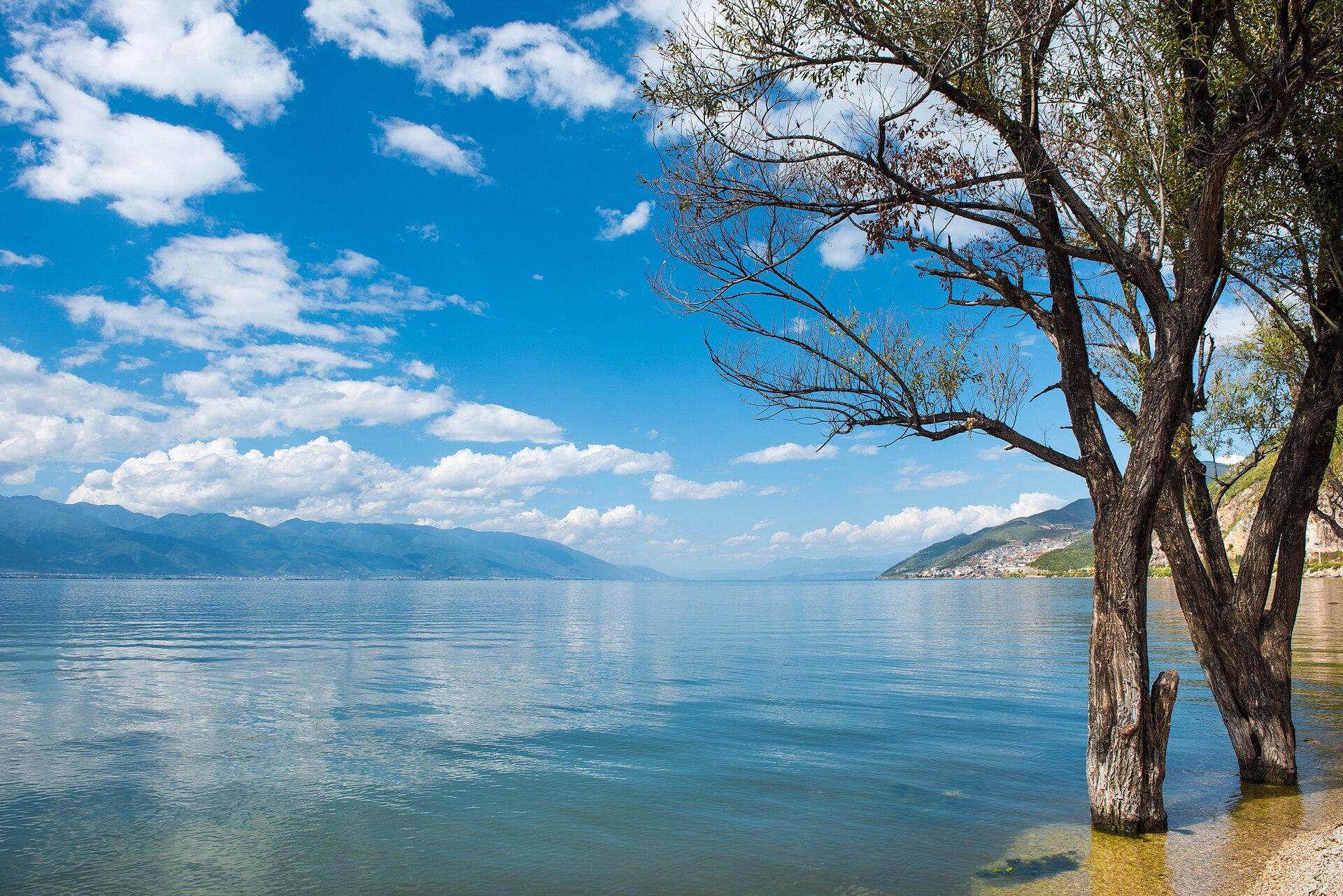
The first night is protected. The following days can connect Xizhou's Bai architecture, three-course tea, working craft, Erhai landscapes and private time without turning Dali into a single old-town walk.
Premium design here means better timing and better hosts. A private cultural encounter should identify who is hosting, what the traveler will do and what remains subject to confirmation. “Meet a local family” is not enough detail for a high-value proposal.
Days 4–5: Why Shaxi Deserves Two Nights
Shaxi becomes more compelling when the day visitors leave. Two nights allow a gentler arrival, an evening in the old market-town environment and a full day that can connect Shibaoshan selectively with a private Tea Horse Road conversation or hosted table.
The transfer is part of the experience, but it is still road travel. Vehicle quality, driver continuity, luggage handling and stopping logic should be visible in the proposal.
Days 6–7: Lijiang Beyond The Crowded Lanes
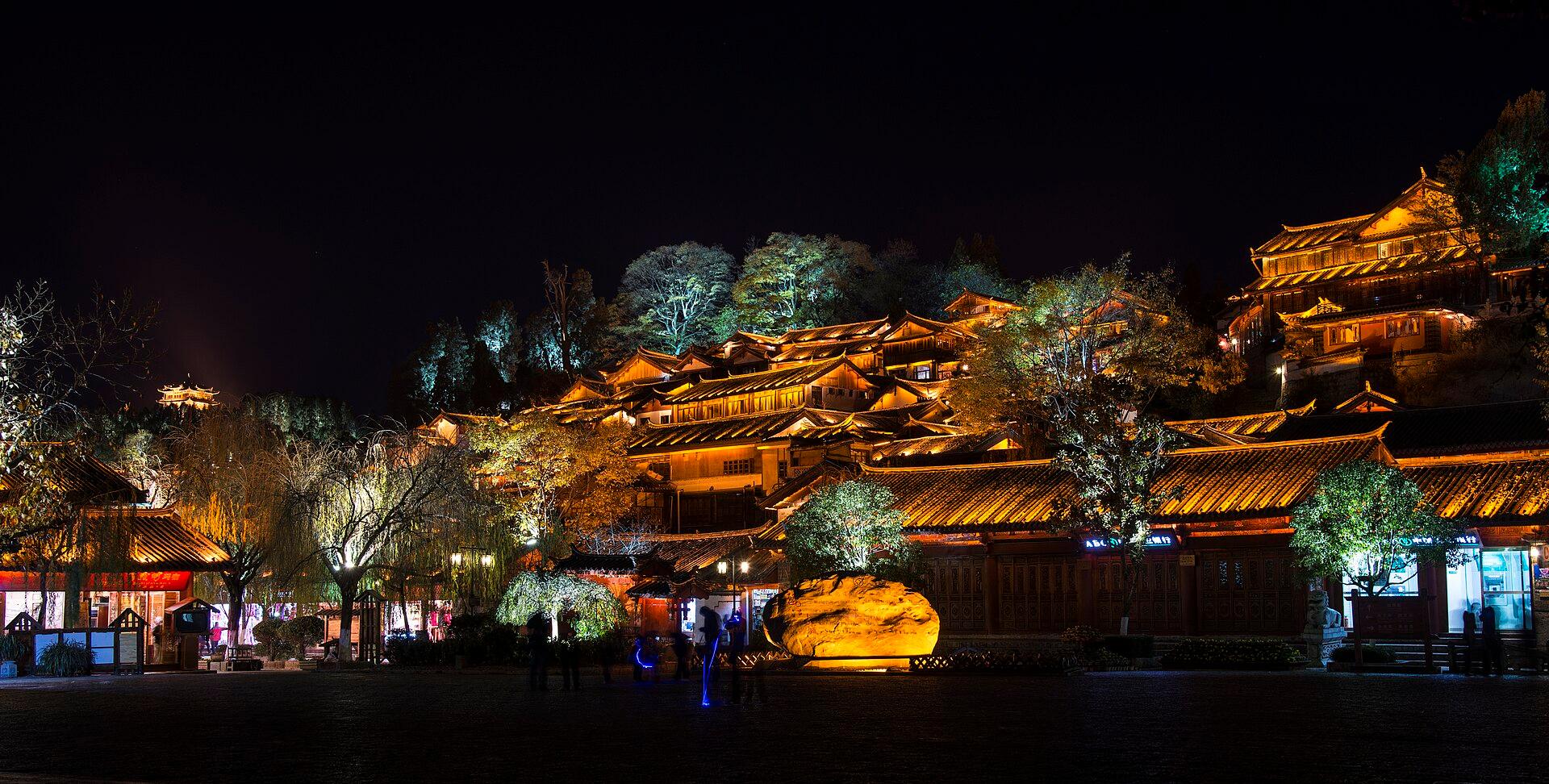
Lijiang should not be sold only as a picturesque old town. Its value lies in Naxi culture, the water-based urban landscape, nearby villages and the relationship to Jade Dragon Snow Mountain.
AVIORA's published route includes a private Dongba culture session and allows the mountain level to be chosen around weather, access and energy. High-altitude cable-car products should not be treated as automatic inclusions for every traveler.
Days 8–10: The Highland Finale
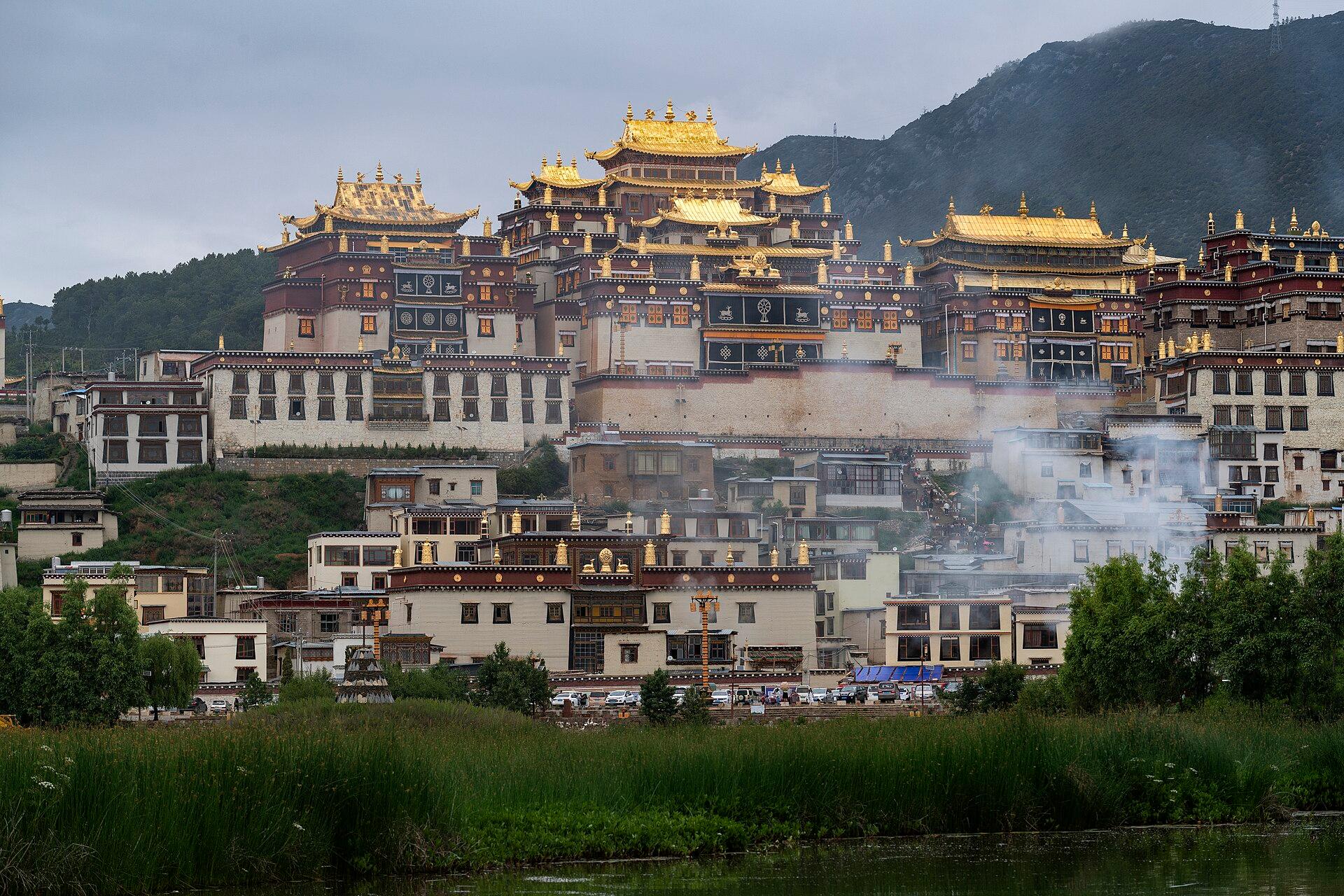
The overland route toward Shangri-La can include a carefully selected Tiger Leaping Gorge viewpoint without forcing a full hike. The first highland evening stays light. The following day connects Songzanlin with contextual guiding and an afternoon selected around altitude and interest.
The final hosted table should be respectfully scoped. It is not an exotic performance. The written proposal should explain the host, setting and confirmation status.
What Makes This A Premium Private Journey
- One continuous vehicle and operating team across the internal route
- Hotels chosen for location, room, atmosphere and route function
- Cultural hosts selected for substance, not staged access
- Timing that allows Shaxi and Lijiang to be experienced outside peak moments
- A gradual altitude profile with protected quiet time
- Written boundaries around weather, mountain access and named specialists
Published Price Basis
The journey is priced individually for your dates, party size and room setup. The published basis includes nine nights, dedicated private vehicle, private guiding, confirmed cultural encounters, selected meals and China-based operating support.
Gateway flights or trains into Dali and out of Shangri-La are quoted around the wider trip. Exact hotels, rooms, hosts and upgrades depend on dates and written confirmation.
Who Should Choose Another Route
First-time visitors who primarily want the Great Wall and Terracotta Army should begin with a classic route. Travelers who dislike long road sectors may prefer a different Yunnan design. Anyone with health concerns related to altitude should seek medical advice before choosing Shangri-La; a private operator can adapt logistics but cannot provide medical clearance.