Answer Brief
The Answer, Briefly
Senior-friendly China travel depends on the exact room, meal and daily routine, not a five-star label. Confirm the bathroom and entrance route, breakfast timing, dietary answers and practical rest stops before booking Beijing, Xi'an and Shanghai. A private guide can help communicate and adjust the agreed day, but cannot certify a kitchen, guarantee a suitable public toilet everywhere or turn ordinary guiding into personal care. Record the details on which the traveler actually depends.
Key Takeaways
- Specify the room category, bathroom and complete entrance route in writing.
- Distinguish food preferences, allergies and clinician-advised dietary needs.
- Place meals, toilets and hotel returns on the actual daily route.
- Keep confirmed features separate from requests and prepare a usable fallback.
The senior China travel hub covers the wider route comparison. This guide focuses on the practical details that make a selected stay work, including where a luxury category offers little evidence about an individual requirement.
Begin With A Short Personal Brief
Ask the traveler what they need to eat, sleep, wash and recover comfortably. Useful answers include the normal breakfast time, bed configuration, difficulty stepping over a bath, need for a seated toilet and comfortable distance between breaks. These are functional requirements, not a request for a medical history in a general inquiry.
Separate essentials from preferences. A quiet room is often a request subject to availability, while a shower configuration may determine whether a person can use the bathroom safely. Tell the operator which failure would prevent participation so that confirmation effort goes to the right detail before paying.
A Star Category Is Not A Room Specification
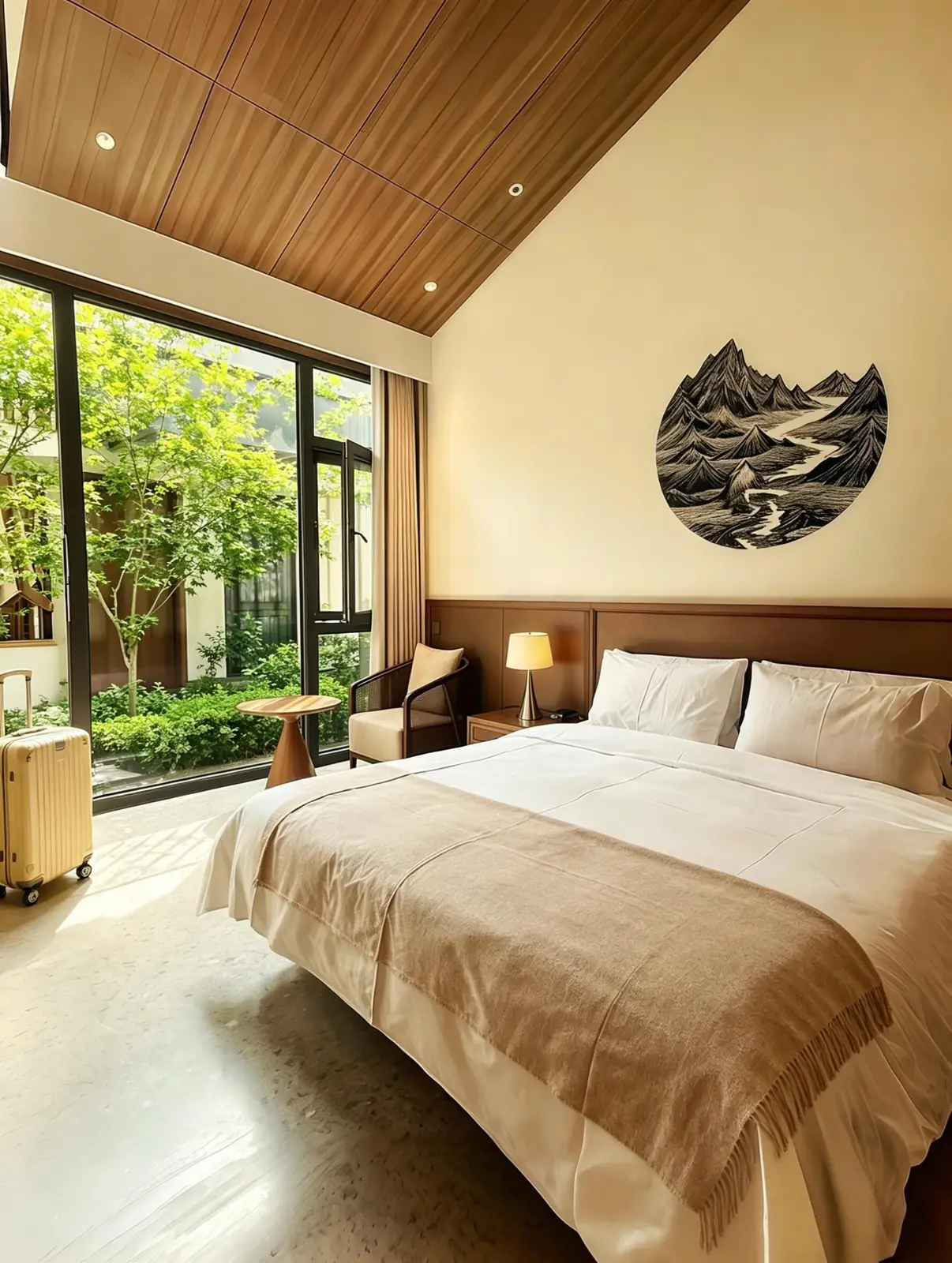
A property's overall amenities do not identify the exact room that will be booked. Ask for the room category, photographs or specifications relevant to the need and written hotel acceptance. The bathroom in a suite can be less useful to a traveler than a suitable shower in a lower-priced category.
| Requirement | Ask for | Do not infer from |
|---|---|---|
| Bathroom access | Threshold, shower entry, usable layout and relevant supports | A photograph of a different room |
| Doorway and circulation | Dimensions needed for the traveler's equipment | A general accessible-hotel label |
| Bed setup | Double or twin, height concern and confirmed occupancy | The standard room name alone |
| Lift and entrance | Route from legal vehicle stop to the room | A level lobby photograph |
| Sleep | Room position request and any guaranteed category feature | A luxury rating or neighborhood reputation |
| Breakfast | Actual hours, format and any agreed early option | The phrase breakfast included |
For wheelchair or transfer needs, include practical dimensions and assistance requirements through the agreed channel. A walk-in shower does not by itself establish space for equipment or support. Do not use the phrase step-free until the full relevant route has been checked.
Check The Hotel's Location Against Three Real Movements
First, test arrival with bags. A pedestrian lane or restricted vehicle approach can leave a final distance between the car and reception. In a heritage or boutique property, steps and luggage handling may be part of the experience; decide whether they fit rather than assuming assistance appears automatically.
Second, test a rest return during sightseeing. A central address is helpful only if the actual drive, legal pickup and staffing make the return possible. Someone may need to accompany the traveler. The guide cannot simultaneously stay with another group across the city unless a separate arrangement is made.
Third, test the independent evening. Suitable dining nearby, a manageable entrance and a known route back can matter more than another hotel facility. The hotel selection guide helps compare these movements with room quality instead of choosing from a brand list alone.
Choose Food By Preparation Rather Than Regional Reassurance
Beijing, Xi'an and Shanghai offer many meal styles, but a regional name does not establish suitability for digestion, blood sugar, sodium, chewing or an allergy. A broth can contain a restricted ingredient; a steamed dish can include sauce or a preparation method the traveler needs to discuss.
State the actual concern. Non-spicy, lower-oil, gluten-free and allergy-safe are different requests. A person avoiding chili may still enjoy Sichuan pepper; another may avoid both. A wheat-noodle meal in Xi'an or a soy-based sauce in another city should be discussed by ingredients rather than described as automatically gentle.
For a medically prescribed diet, ask the treating professional what operational requirements the traveler should communicate. A planner can translate and arrange, but should not replace clinical advice with a generic list of suitable Chinese dishes. The kitchen's ability to meet the requirement remains a separate question.
Allergies Need Their Own Conversation
Use the food-allergy travel guide when ingredients or cross-contact can cause harm. A translated card should identify the specific allergen and questions that matter; a guide's fluent explanation does not establish what happens in the kitchen.
Ask the named restaurant about preparation, utensils, stocks and sauces relevant to the requirement. If the answer is uncertain, use an agreed backup. A private room, a higher menu price or a hotel restaurant is not evidence of reliable allergen control. Keep the traveler's clinician-advised medication and emergency plan separate from the dining booking.
Discuss what happens on independent days. If restaurant coordination is not included then, identify options the traveler can use and a contact path for clarification. Do not assume every meal is supervised because some sightseeing days have a guide.
Breakfast And The Departure Clock Must Agree
A hotel can include breakfast but open too late for the selected train or excursion. Ask about the actual hours, whether an early or packed option is available and what it contains. A packed breakfast is not automatically equivalent for a traveler with ingredient, texture or timing requirements.
On a free day, a later breakfast may support recovery. On a transfer day, it may be incompatible with checkout and station entry. Compare the full departure sequence before changing the start. The point is a workable meal, not a promise that every itinerary can always begin after an unhurried breakfast.
At the middle of the planning process, review the twelve-day easier-paced private route. Ask which meals are included, which periods are independent and what coordination is available outside guiding hours. Hotel nights and purchased meal services should remain visible as separate items.
Restroom Planning Needs A Location And A Fallback
Ask about the toilets along the actual palace, museum and excursion routes. A building may have a seated toilet but an approach, step, doorway or waiting situation that makes it unsuitable. An accessible symbol is useful context, not a substitute for the person's practical needs.
Do not promise a usable seated, step-free toilet at every point without checking. A guide can identify likely options and confirm details where possible, but public facilities can close or be busy. If independent use is not possible, establish who provides personal assistance; ordinary guiding does not silently include toileting.
For Mutianyu, include the visitor approach, selected uphill system, Wall extent and exit in the discussion. A toilet near the scenic entrance does not establish an appropriate option along every upper route. Agree a turnaround that takes breaks and the return into account rather than discovering the issue after a long outward walk.
Water And Essential Items Belong With The Traveler
Discuss what drinking water is included and when it is available. Carry an appropriate personal supply for the selected walk rather than assuming the vehicle can follow inside a heritage site. Hot-water availability is a practical preference to check, not proof of a health benefit or a substitute for the traveler's clinical instructions.
Keep required medication and documents accessible according to the traveler's own plan. A cool vehicle does not establish temperature-controlled storage, and leaving items in the car can make them unavailable during a long visit or a split return. Ask about any genuine storage requirement before assuming hotel or vehicle facilities can meet it.
A Comfort Check Across The Three Cities
In Beijing, prioritize the distance between pedestrian-controlled heritage areas and the legal vehicle meeting. In Xi'an, connect the museum excursion outside the city with the timing of the next meal and optional Old City activity. In Shanghai, consider river wind, weather and the walk to a restaurant or pickup after the Bund.
These are route checks rather than universal judgments about the cities. The same traveler may enjoy a substantial morning but need an uncomplicated evening. A shorter neighborhood visit with a nearby meal may be more useful than a second hotel return across traffic.
Confirm The Essentials Before The Deposit
- State the exact room, entrance, bathroom and bed requirements.
- Obtain written hotel acceptance for essential features and mark remaining requests.
- Match breakfast and meals to the actual transport and sightseeing times.
- Identify dietary answers, translation and a usable food fallback.
- Check toilet approaches and who provides any necessary personal assistance.
- Review independent days and the early-return plan with the travelers.
Ask how a room substitution is handled if the confirmed category becomes unavailable. A comparable price or star category may not preserve the essential bathroom feature. The change process should protect the actual requirement and explain alternatives and cost treatment.
Expert Insider Tips
Request The Details That Make The Stay Usable
Return to the senior travel hub with the essentials identified by the traveler. Compare the twelve-day private route and ask for a dated proposal showing room features, meal scope, free periods and separately arranged help. Comfort comes from those confirmed details rather than an unqualified promise that every need is handled.