Answer Brief
The Answer, Briefly
Allow six days and five nights for a Beijing–Xi’an itinerary that gives the Terracotta Army, Forbidden City and Great Wall their own sightseeing days and reserves one day for intercity rail. Five days usually requires dropping a major visit or relying on favorable partial arrival and departure days. Seven days creates one genuinely flexible period. Choose the direction around your flights, admission calendar and onward journey; the published six-day product starts in Xi’an and finishes in Beijing.
Key Takeaways
- Six days contains three main sightseeing days, one transfer and two international travel days.
- Five hotel nights must be allocated explicitly; this framework uses Xi’an two and Beijing three.
- The palace calendar and train reservation belong in the plan before optional activities.
- Seven days is useful for recovery or deeper city time without adding another base.
Return to the China travel journal for the broader planning library. This guide explains the two-city duration decision, including where the shorter versions become fragile.
Compare The Usable Days Before The Headline Duration
A day begins on a calendar at midnight, but a travel day begins with baggage, transport and check-in. An evening arrival contributes little sightseeing. A morning departure contributes none. Count those constraints before deciding that two cities are only a train ride apart.
| Length | Night allocation in a Xi’an-first model | Reliable focus under ordinary arrival/departure assumptions | Main limit |
|---|---|---|---|
| 5 days | Xi’an 2, Beijing 2: 4 nights | Terracotta Army, one Beijing landmark and one rail transfer | The palace and Wall cannot both have separate full days |
| 6 days | Xi’an 2, Beijing 3: 5 nights | Terracotta Army, palace, Wall and a protected transfer | Little spare time if a main day becomes unavailable |
| 7 days | Xi’an 2, Beijing 4: 6 nights | The same highlights plus a flexible Beijing day | More accommodation cost; not an extra-city itinerary |
These are conservative planning models, not rules that prohibit sightseeing after arrival. If you already slept in China before Day 1, or depart very late on the final day, you may have more usable time. State that additional time explicitly so it is not confused with a route designed for a long-haul arrival.
A Six-Day Xi’an-To-Beijing Sequence
Day 1: Arrive In Xi’an And Settle In
Keep the first day centered on the international or domestic arrival, hotel and an uncomplicated meal. Ask which terminal or station is involved and how the meeting point will be communicated if the flight is delayed. A short neighborhood visit is optional, not a prerequisite for completing the itinerary.
If you land early, request the hotel’s actual room-access terms. Early arrival does not guarantee early check-in. Travelers who need sleep immediately may prefer to reserve the preceding night or pay for an agreed early arrangement, subject to the hotel’s confirmation.
Day 2: Give The Terracotta Army A Focused Day
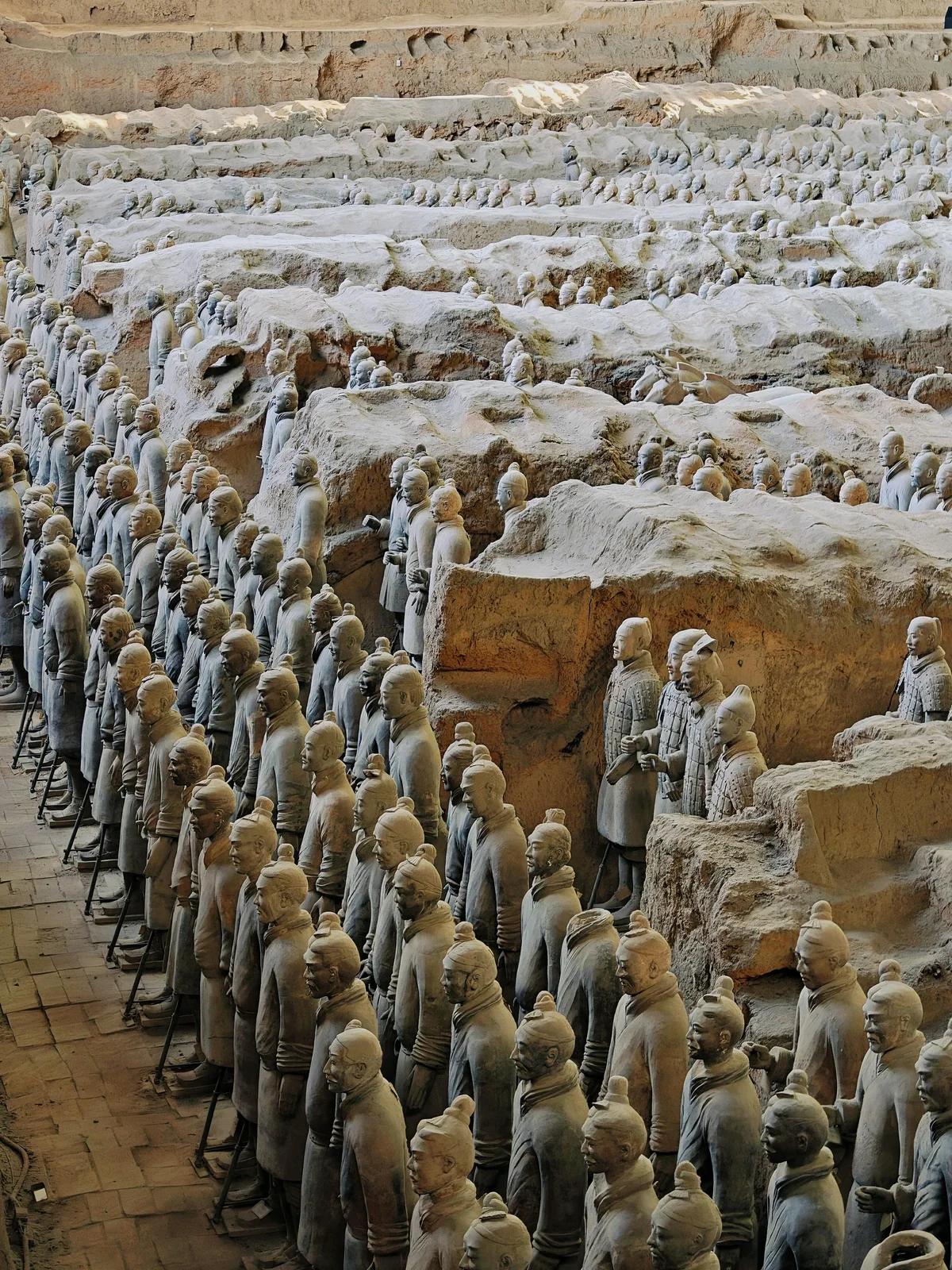
The Terracotta Army is outside central Xi’an, so road travel is part of the excursion. Reserve the correct passport-linked admission and carry the original document required by the museum. The official ticketing page distinguishes the main pit area and Lishan Garden, connected by museum shuttle arrangements; decide how much of the wider visit is appropriate for your interests and stamina.
Use the Terracotta Army ticket and entry guide for the reservation details. Do not assume a photograph of the passport replaces the original, or that every additional archaeological area must be visited to make the day worthwhile.
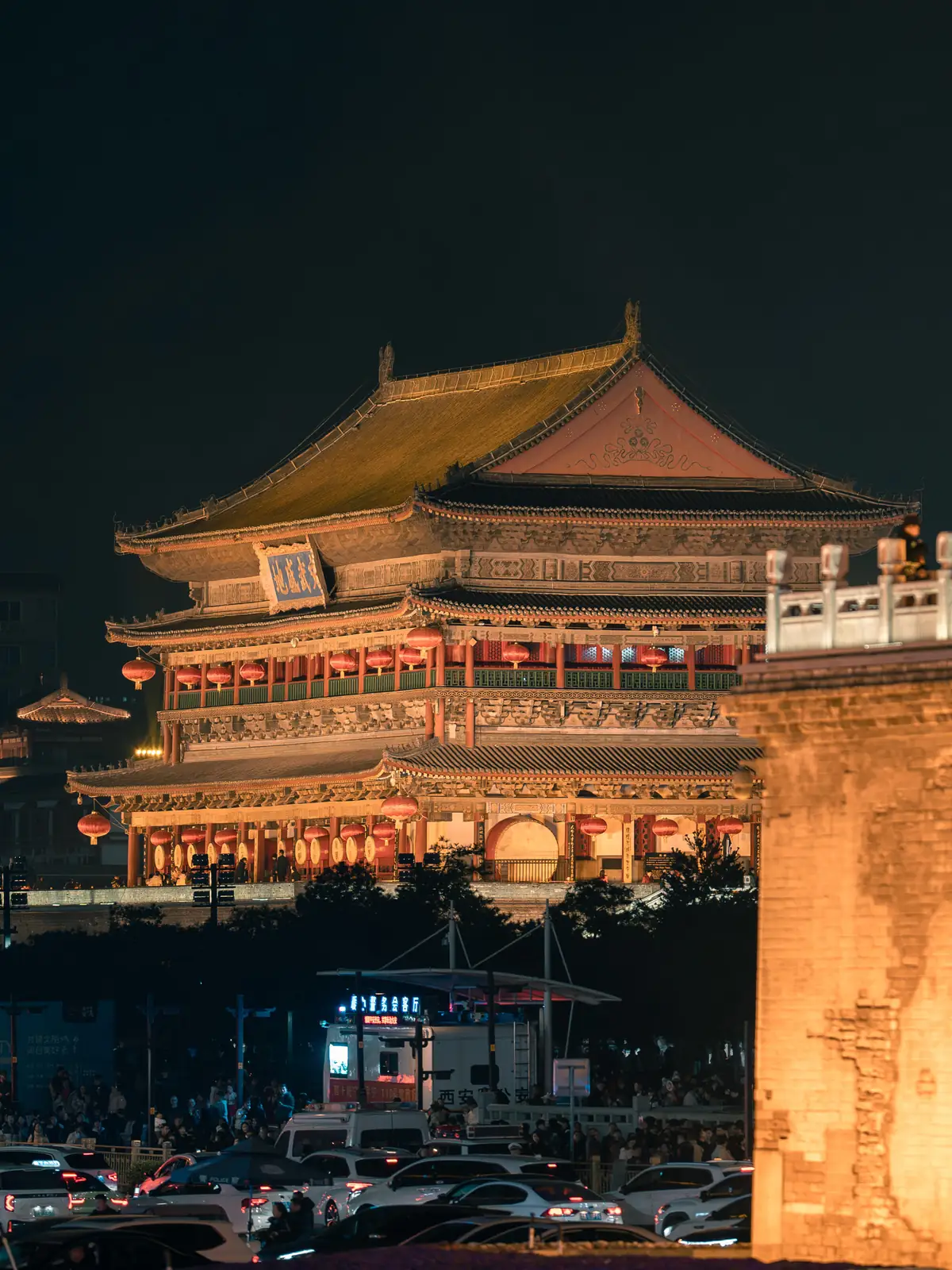
A city-wall evening or food walk may be enjoyable afterwards, but it is another physical and logistical commitment. Leave the choice open until the main visit and return traffic are known. Older travelers or families may get more value from a comfortable meal and rest.
Day 3: Take Rail To Beijing And Protect The Handover
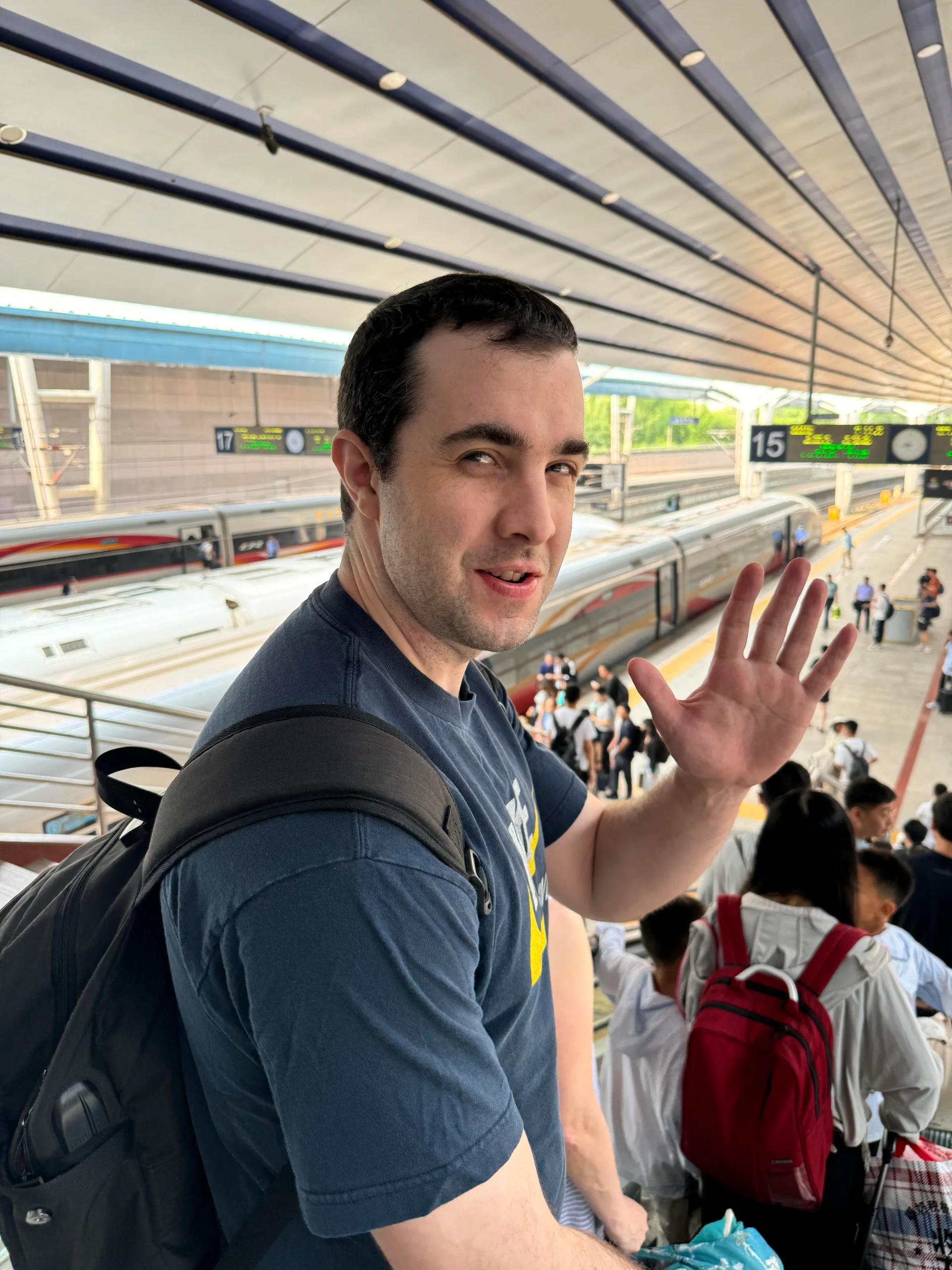
Specify the selected train’s departure station, arrival station, class and time. Xi’an North is a different location from Xi’an’s other stations, and Beijing has several major rail terminals. Choose the hotel pickup against the actual service rather than a generic instruction to reach “the station.”
The transfer day includes checkout, loading, the road approach, station entry, identity and security procedures, waiting, the train, the arrival meeting and the next hotel. A direct service can be a good choice, but the published journey time describes only one part of that chain.
The China rail guide for foreign travelers explains the identity and booking questions to resolve. Ask what assistance is contracted and what you must manage independently; a first-class ticket does not automatically provide luggage handling or a guide on board.
Once the main transfer is secure, compare the six-day Xi’an and Beijing private tour. It publishes two Xi’an nights, three Beijing nights and the rail transfer on Day 3. Use its current inclusions, not a blog’s general description, to judge the service being offered.
Day 4: The Forbidden City, Subject To The Calendar
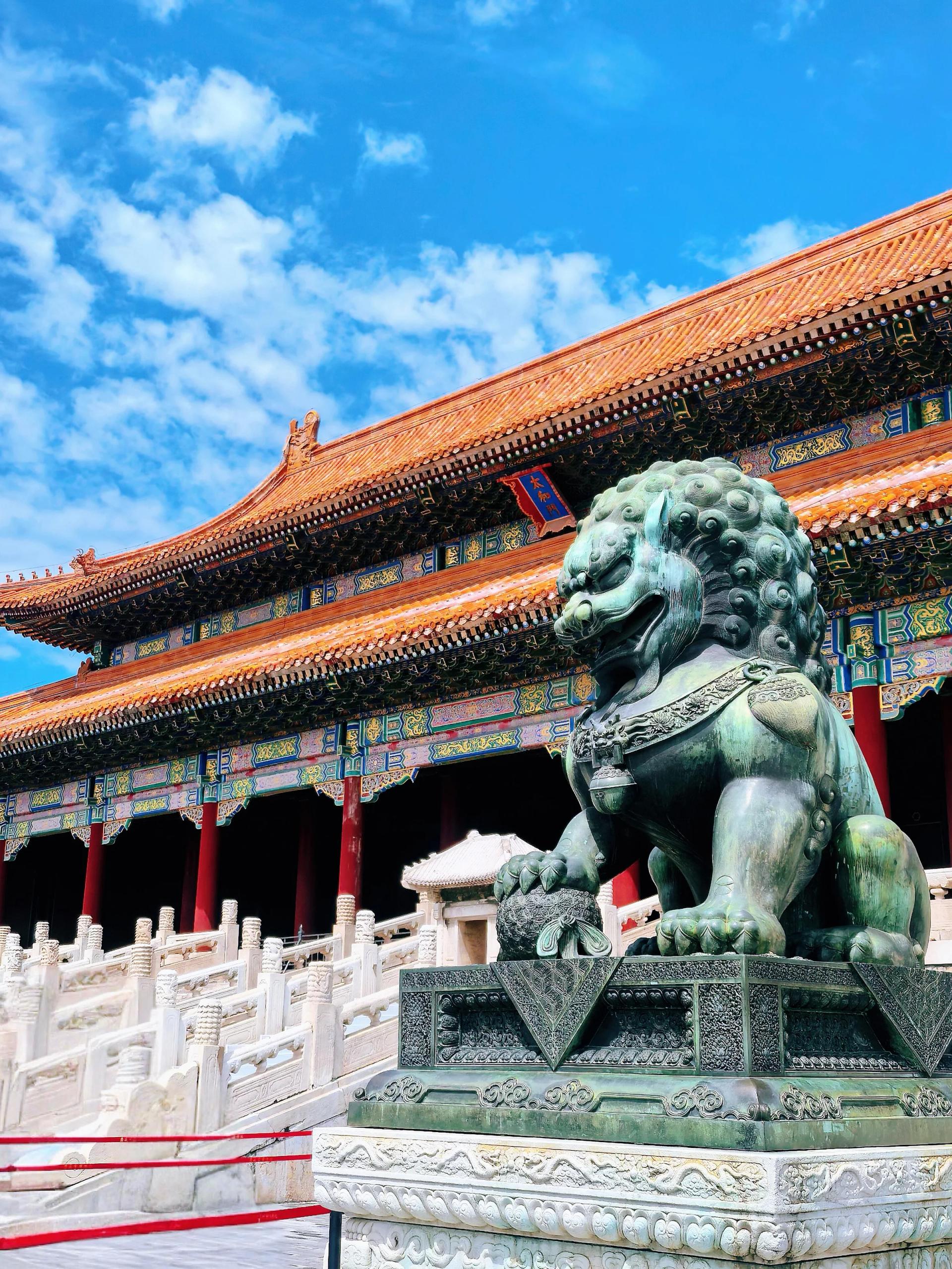
The Palace Museum publishes a Monday closure pattern with exceptions. Check the specific date before treating Day 4 as fixed. If it conflicts, the Beijing sightseeing order may be reversed, but the ticket calendar, weather and departure still need to work together.
The Forbidden City ticket guide separates admission requirements from the walking plan. The palace involves controlled approaches, security, courtyards and an exit strategy. Private guiding does not allow a car to follow the group through the complex.
Choose the main historical thread and agree whether secondary galleries fit. Avoid making another major museum compulsory afterwards. A shorter neighborhood chapter, lunch or hotel return allows the day to adapt without losing the palace visit that motivated it.
Day 5: Mutianyu Great Wall As The Main Excursion
Keep Mutianyu separate from the palace. The journey out of the city, entrance arrangements, uphill transport and the return all require time. Cable access can reduce climbing, but it does not establish a step-free route between the upper station and a chosen viewpoint.
Ask which uphill system is planned, whether its boarding suits the party, how the return works and what happens if weather prevents operation. The published two-city product treats optional lift tickets separately unless selected. Make sure the dated proposal says what you have bought.
Avoid automatically attaching the Ming Tombs or another distant stop. An extra attraction can turn the most physically variable day into the route’s hardest day. A useful plan identifies a shorter alternative and keeps the evening flexible.
Day 6: Depart From Beijing
Protect the airport transfer around the actual flight and carrier guidance. Beijing Capital and Beijing Daxing are different gateways. Do not choose the hotel or morning pickup from a generic distance to “Beijing airport.”
If the flight leaves late, a short local activity may be possible after bags and checkout are arranged. Treat it as additional usable time confirmed by the real schedule. It should not be necessary for the core three-landmark route to remain honest.
When Five Days Is Too Short
In the conservative five-day model, Day 1 is arrival, Day 2 the Terracotta Army, Day 3 rail and Day 5 departure. Only Day 4 remains for a full Beijing visit. You can select the Forbidden City or the Great Wall, or arrange another trip length. Combining both into that day does not recreate two focused visits.
A different five-day plan can work when you arrive before the counted period or have well-timed domestic connections. Write down the usable hours, including hotel and luggage arrangements, and see what they actually support. The relevant question is not whether a timetable can be drawn; it is whether it remains a sensible holiday when queues, fatigue or traffic vary.
For long-haul travelers, avoid scheduling the palace immediately after landing to recover the missing day. Immigration and baggage are uncertain, ticket entry is constrained, and a delayed flight could remove a main visit rather than an optional first walk.
What A Seventh Day Buys
With four Beijing nights, a seventh day can become a recovery period, a neighborhood visit, the Temple of Heaven or another interest-led activity. It can also provide room to rearrange the two major Beijing days if dates and ticket conditions allow. Flexibility still depends on successful reservations; it is not permission to move any ticket at will.
Alternatively, add the night in Xi’an when city history, food or a slower post-arrival start matters more. Keep the two-city structure and compare what the added time changes. A seventh day is usually too little justification for a third overnight base once its transport is counted.
Decide Whether To Reverse The Route
Beijing-first can be sensible when your international flights favor it or Xi’an is a stepping stone to Chengdu. The equivalent six-day allocation is three Beijing nights and two Xi’an nights, with two Beijing sightseeing days, a transfer day and a Terracotta Army day. Check the actual arrival, departure and Monday pattern again; reversing a list is not the same as confirming a new route.
The linked published product is Xi’an-first. A reverse itinerary needs a separately checked proposal, transport schedule and service statement. Do not infer that the same hotels, trains, guides or price are available in either direction.
For transit-based entry, have the complete international routing checked before domestic arrangements are treated as settled. A domestic train does not by itself establish eligibility to enter or travel between permitted areas. The applicable authority decides the entry conditions for your passport and route.
A Practical Booking Checklist
- Write the exact arrival and departure flights, including airports and dates.
- Allocate four, five or six hotel nights before filling the sightseeing days.
- Check the palace calendar and the three main admission requirements.
- Select the rail direction and compare the entire hotel-to-hotel transfer.
- Confirm hotel categories, guide coverage, lift tickets and meal exclusions.
- Keep one shorter alternative for the Wall day and an explicit ticket contingency.
Compare the six-day private two-city journey when those decisions are clear. Send the actual flights and walking needs so the proposal can show what works, what is pending and whether an extra night would materially improve the trip.