2 nights: one focused full day
Keep arrival light, prioritize a measured cultural visit and plan the next departure carefully. This is a short introduction, not a full circuit of the region.
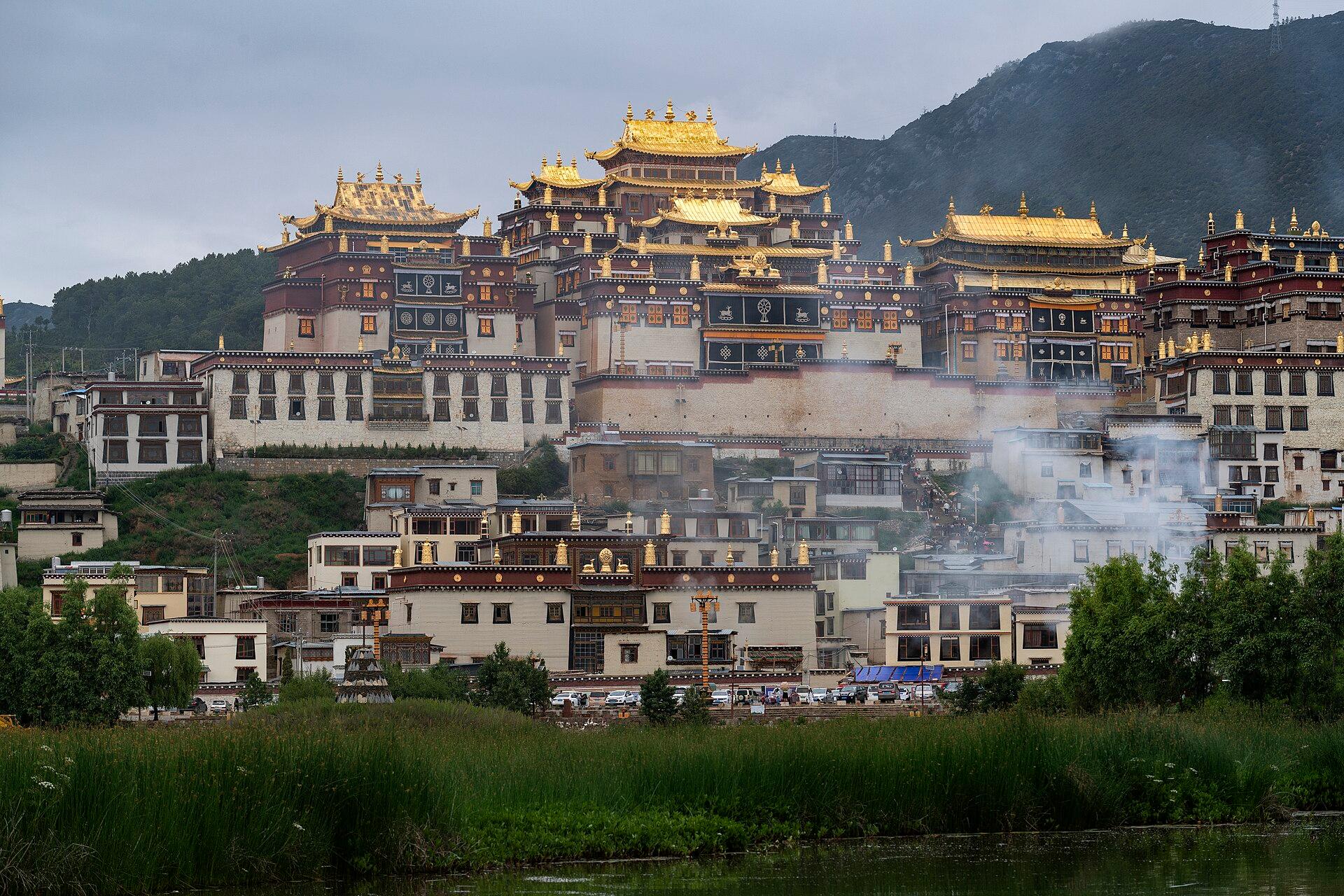
Living Tibetan heritage & highland stays · Southwest China
Plan Shangri-La around the highland setting: a measured monastery visit, Dukezong’s lanes and a comfortable lodge, with elevation and onward travel considered from the start.
Shangri-La in northwest Yunnan suits travelers interested in Tibetan culture, monastery architecture and a highland landscape that feels different from Dali or Lijiang. The city is a real place in Diqing, not simply a hotel brand or a shorthand for all of Tibet. Choose a comfortable base, keep arrival light and plan selective visits; elevation deserves as much attention as the sights.
Two nights give an arrival day, one full day and a departure morning, enough for a measured introduction if the elevation and travel plan suit you. Three nights allow monastery and landscape interests on separate days, while four nights leave more room for rest and a lodge stay. Extra nights provide scheduling flexibility, not assurance against altitude illness.
Keep arrival light, prioritize a measured cultural visit and plan the next departure carefully. This is a short introduction, not a full circuit of the region.
Allow different days for the monastery and a suitable landscape outing, retaining time to rest. More time should reduce pressure rather than justify higher or more distant excursions.
Use the extra time for your hotel, selective local visits and a flexible pace. Review whether the chosen elevation is appropriate before committing to a longer stay.
Suggested private tour
Our ten-day Yunnan journey ends with two Shangri-La nights after Dali, Shaxi and Lijiang. The sample itinerary includes a measured Songzanlin visit, an afternoon chosen around the group and a hosted farewell meal with arrangements confirmed in writing. It finishes in Shangri-La; departure flights, extra nights and a Meili extension need their own onward plan.
We plan the Shangri-La stay around your arrival, hotel comfort and a manageable sequence of visits, with private road transfers and guiding as specified in your proposal. We explain the walking involved and arrange any agreed cultural host or meal in advance. Religious activity and access follow local rules; private guiding does not provide unrestricted temple access or make high-altitude travel medically suitable.
Planning advice by Aviora China. Read our editorial and verification policy.
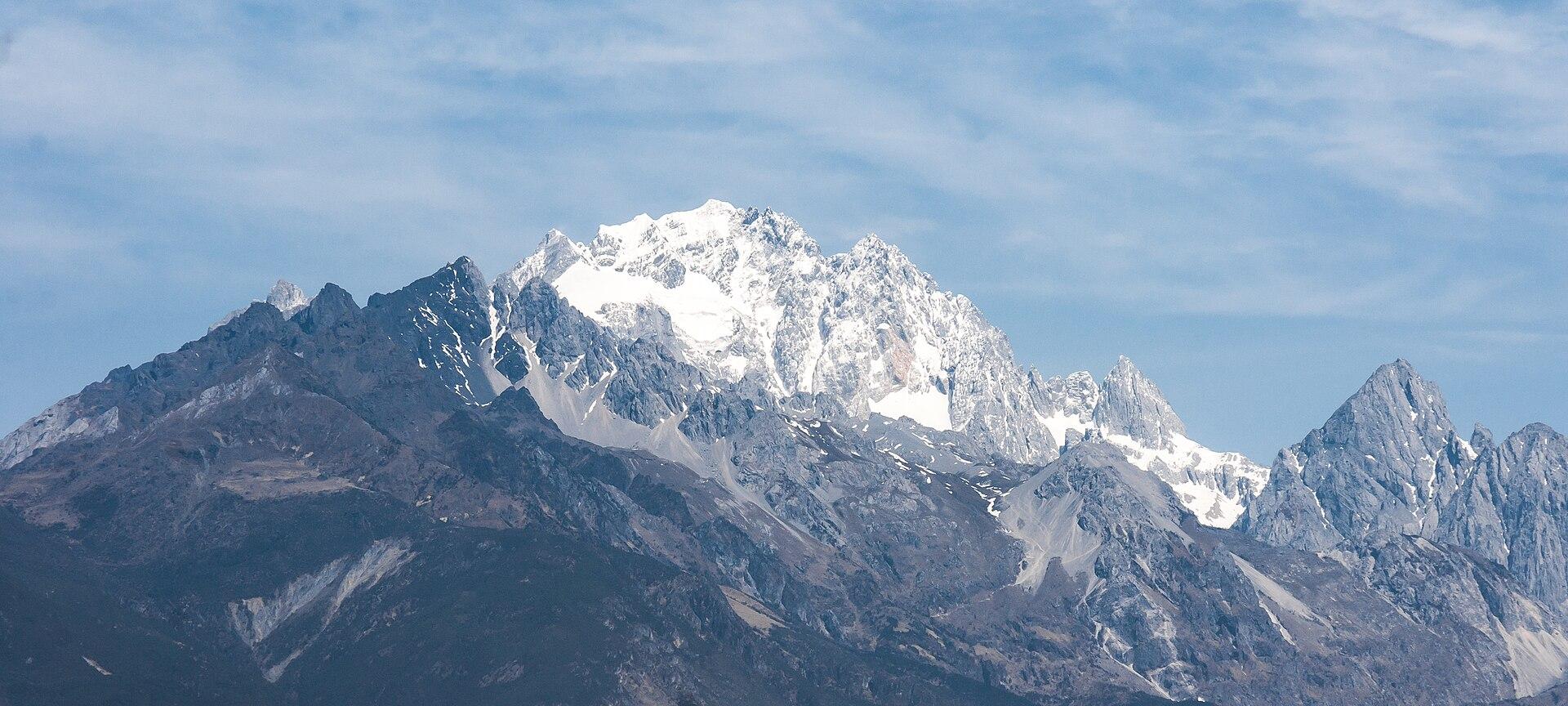
Total trip length: 10 days / 9 nights
Dali, Shaxi, Lijiang, Shangri-La
From USD 6,490
This itinerary gives Shangri-La two nights at the end of a journey through Dali, Shaxi and Lijiang. It places cultural interpretation and lodge comfort ahead of a packed highland checklist. Review the actual sleeping locations, one-full-day structure and departure arrangements, and discuss changes if elevation makes the complete route unsuitable.
Signature experiences
Keep the arrival evening for settling in rather than scheduling a major visit after the transfer. With one full day, make Songzanlin the main commitment and choose either a short additional outing or rest afterward. A distant landscape excursion or a continuation toward Meili needs extra time and a separate assessment of the route.
Suggested Shangri-La itinerary
Arrival
Follow the agreed airport, station or overland transfer. Check in, have a simple meal and leave the evening free rather than scheduling a strenuous first visit.
Full day
Visit the monastery at an appropriate pace. Choose one short additional outing or hotel rest afterward, based on how the group feels and the conditions.
Optional extra day
With an additional night, plan an outing with known walking and elevation demands, or enjoy the property. A longer itinerary does not remove the need for medical suitability.
Departure
Transfer for the confirmed service and keep an appropriate connection margin. A continuation toward Meili or another city needs a separately agreed route and accommodation.
When to go
Spring and autumn can suit cultural visits and landscape outings, with cold mornings and evenings possible. Summer rain can affect mountain views and roads; winter requires particular attention to weather, heating and access. Verify seasonal operation for the exact outing rather than treating one “best month” as suitable for all of Diqing.
Compare the exact lodge and room, heating and meal arrangements, transfer origin, private service days and listed admissions. An old-town room and an isolated lodge create different transport needs. Domestic departure flights, additional nights and journeys farther into Diqing or toward Meili are separate unless included in the written quote.
Getting there and getting around
Shangri-La has an airport and railway station. Confirm the actual service, arrival time and final hotel with the transfer plan. Road arrivals from Lijiang can include a selected gorge stop, but the complete drive and elevation change deserve their own travel day. Do not assume an airport arrival offers the same progression as an overland journey.
Use private road transfers between the hotel and separated visits, with walking assessed at each stop. The monastery and old town still involve steps and pedestrian areas. Scenic-area shuttles or local entry systems, when required, remain distinct from your private vehicle service.
Shangri-La’s urban area is roughly 3,200 metres above sea level; individual hotels and outings vary. Monastery steps, uneven paving and uphill paths can feel more demanding at elevation. Ask a clinician about personal health concerns before booking. A road arrival through lower places, a slower day or oxygen in a hotel is not a guarantee of safety or acclimatization.
Shangri-La in Yunnan is not Lhasa or the Tibet Autonomous Region. Do not apply another region’s permit or access rules to this trip by assumption. Verify requirements for your nationality, route and dates through appropriate official channels, especially when extending beyond the city.
Stay around Dukezong for old-town atmosphere and access to meals, near the monastery area for its particular setting, or in a more secluded lodge for space and time at the property. Check the room’s heating, stairs, bathroom, restaurant and road access. A photograph of a dramatic landscape cannot show whether the property supports your comfort or onward departure.
Useful for historic lanes and dining access. Check room heating, traffic noise, steps and the distance from vehicle drop-off. A convenient town base may serve a short stay better than a remote property.
Choose for the particular monastery or landscape setting, after checking actual views, access and restaurant service. Proximity does not give early, private or unrestricted admission to the religious site.
Consider when the property and surrounding scenery are central to the stay. Verify elevation, transfer time, heating, meal availability and the practical support arrangements. Remote location alone is not a measure of luxury.
It can be a separate stay within a Yunnan route, but it should not be treated as a quick outing from Lijiang. The road transfer, elevation change and hotel move need time. Two nights provide only one full day; if altitude may affect you, seek medical advice before choosing the highland portion. You can discuss a route focused on Dali, Shaxi and Lijiang instead.
Review sleeping locations and higher excursions before choosing the trip. Tell the planner about relevant concerns and seek clinical advice where appropriate. If symptoms develop, stop treating the sightseeing schedule as a priority and seek prompt medical help; more rest in the same itinerary is not a universal solution.
Ask your guide to explain visitor conduct, photography and the chosen areas before entering. Allow a measured pace on steps and take staff instructions seriously. A cultural guide can provide context without promising access to ceremonies or rooms closed to visitors.
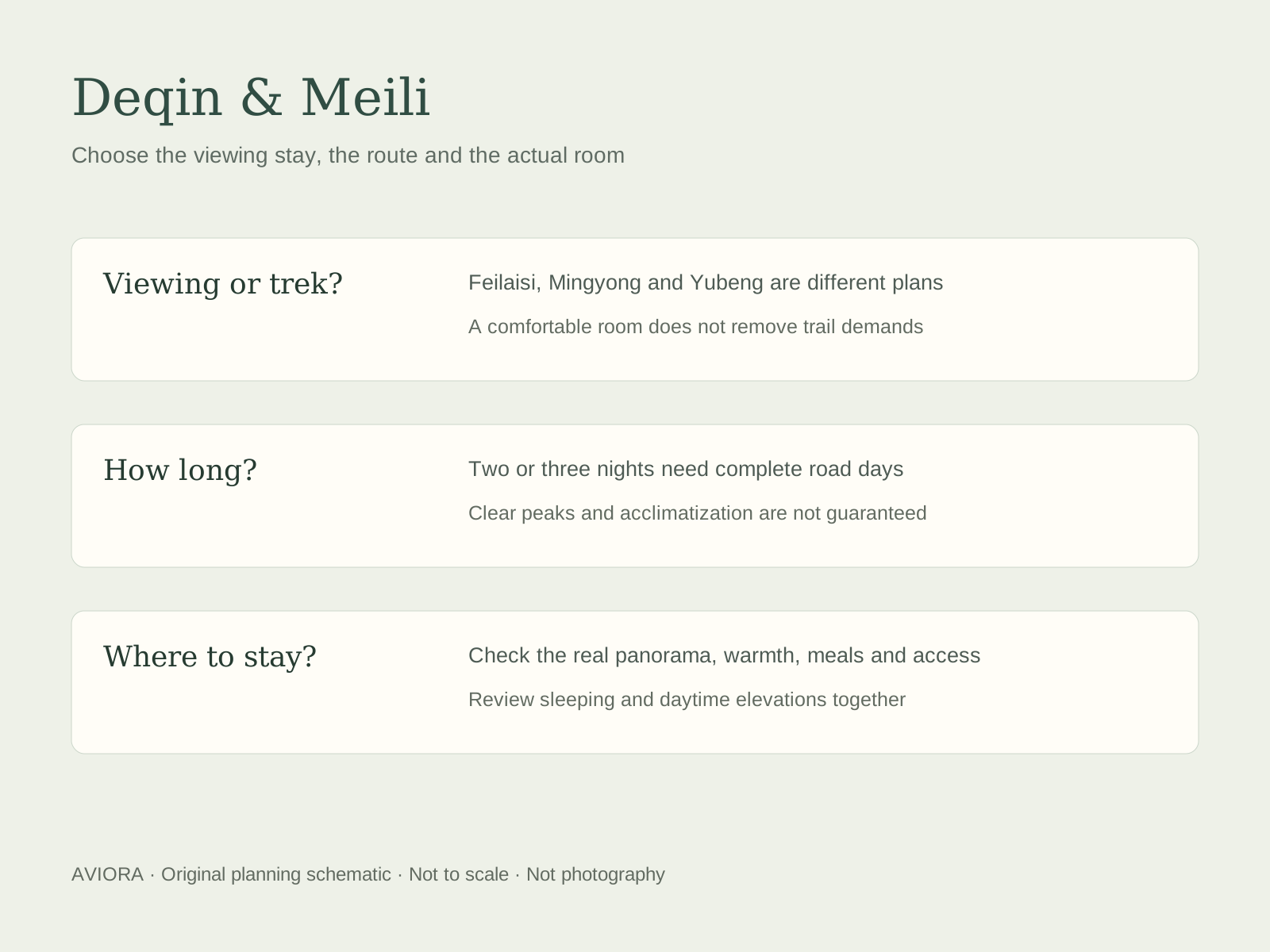
A short viewpoint, a wetland walk and a full scenic-area day are not interchangeable. Compare elevation, walking, weather exposure and road access. Pick the experience the group will enjoy rather than adding a park simply because it is famous.
Travel beyond Shangri-La needs its own hotel sequence, road plan and assessment of elevation. Mountain views depend on weather. Discuss the value of the whole stay rather than buying an extra journey on the assumption that a particular sunrise will be visible.
Culture and historical context
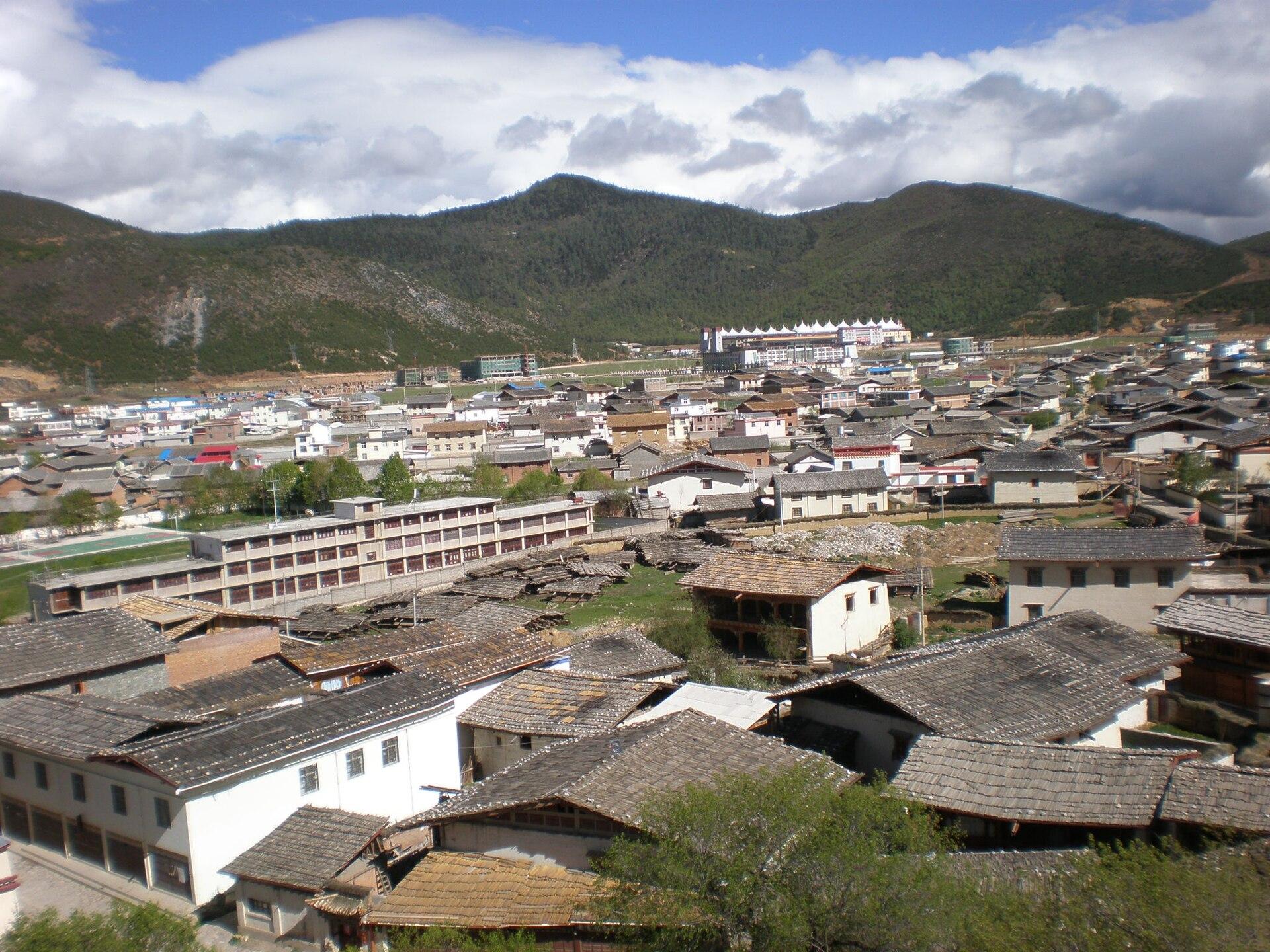
Shangri-La’s familiar name can obscure the specifics of the place. A rewarding visit introduces the Tibetan cultural setting of Diqing, the role of Songzanlin and the history and contemporary life of Dukezong. It should help you distinguish a religious site, a historic neighborhood and a staged visitor experience.
Religious buildings and local homes deserve respect as working and living spaces. Discuss photography, dress and behavior before a visit. An arranged meal or conversation can provide valuable context when the host, setting and expectations are agreed; it should never be presented as automatic access to private life or religious practice.
Food and social life
Barley, dairy and meat feature in local food traditions, while the city also offers a wider range of dishes. Butter tea and regional hotpots may be of interest, but discuss taste, dietary needs and preparation before choosing a meal. A vegetarian-looking dish can contain meat stock or animal fat.
On arrival, prioritize an easy meal and comfortable setting rather than an elaborate late evening. Check what your lodge serves and whether special dietary arrangements require advance notice. A remote property may offer fewer alternatives than town, so the right meal plan is part of choosing the hotel, not an afterthought.
Shangri-La travel FAQ
Shangri-La is a city in Diqing Tibetan Autonomous Prefecture in northwest Yunnan. Dukezong and Songzanlin are local visits; Meili Snow Mountain lies farther into the wider region and needs a separate route. The city should not be confused with a hotel brand or Lhasa.
The urban area is roughly 3,200 metres above sea level, with individual hotels and excursions at different elevations. Review the sleeping location and higher outings, and seek medical advice if altitude may affect you. Tour pacing is not a guarantee against illness.
Two nights allow one full day between travel days. Three nights can separate culture and a suitable landscape outing, with more time to rest. Choose the duration after considering elevation and the complete route, rather than using extra nights as medical reassurance.
Yes. These English names refer to the monastery near Shangri-La. Review the proposed visitor route, stairs and current entry arrangements. Private guiding provides interpretation, not unrestricted religious access.
It can be planned as a separate extension with its own road journey and overnight stays. It is not included automatically in a city stay or our ten-day Yunnan route. Hotel elevation, weather and the onward departure need separate consideration.
Our ten-day sample journey ends in Shangri-La. The onward domestic flight, additional hotel nights or another regional connection are quoted around your wider trip. Do not assume a return to the starting city is included.
Yes, discuss a route centered on Dali, Shaxi and Lijiang if the highland stay does not suit your interests or personal circumstances. Nearby mountain outings still need their own elevation assessment. Your final itinerary and price reflect the agreed changes.
Practical planning guides
Route combinations
Plan your journey
Share your dates, interests, arrival and departure cities, and any plans already booked. We’ll recommend an itinerary at a pace that suits you, with the arrangements and price explained before you book.
You are asking about Shangri-La.
The enquiry form will load here.
Prefer a direct reply? Message us on WhatsApp or email our China team.