Plan Nanchang through Tengwang Pavilion, a selected collection and regional food, comparing central stays with a dedicated Haihunhou archaeology excursion.
2–3 nights; choose an extra day for a distinct subjectJiangxi history, Han archaeology and a thoughtful start to a regional journey
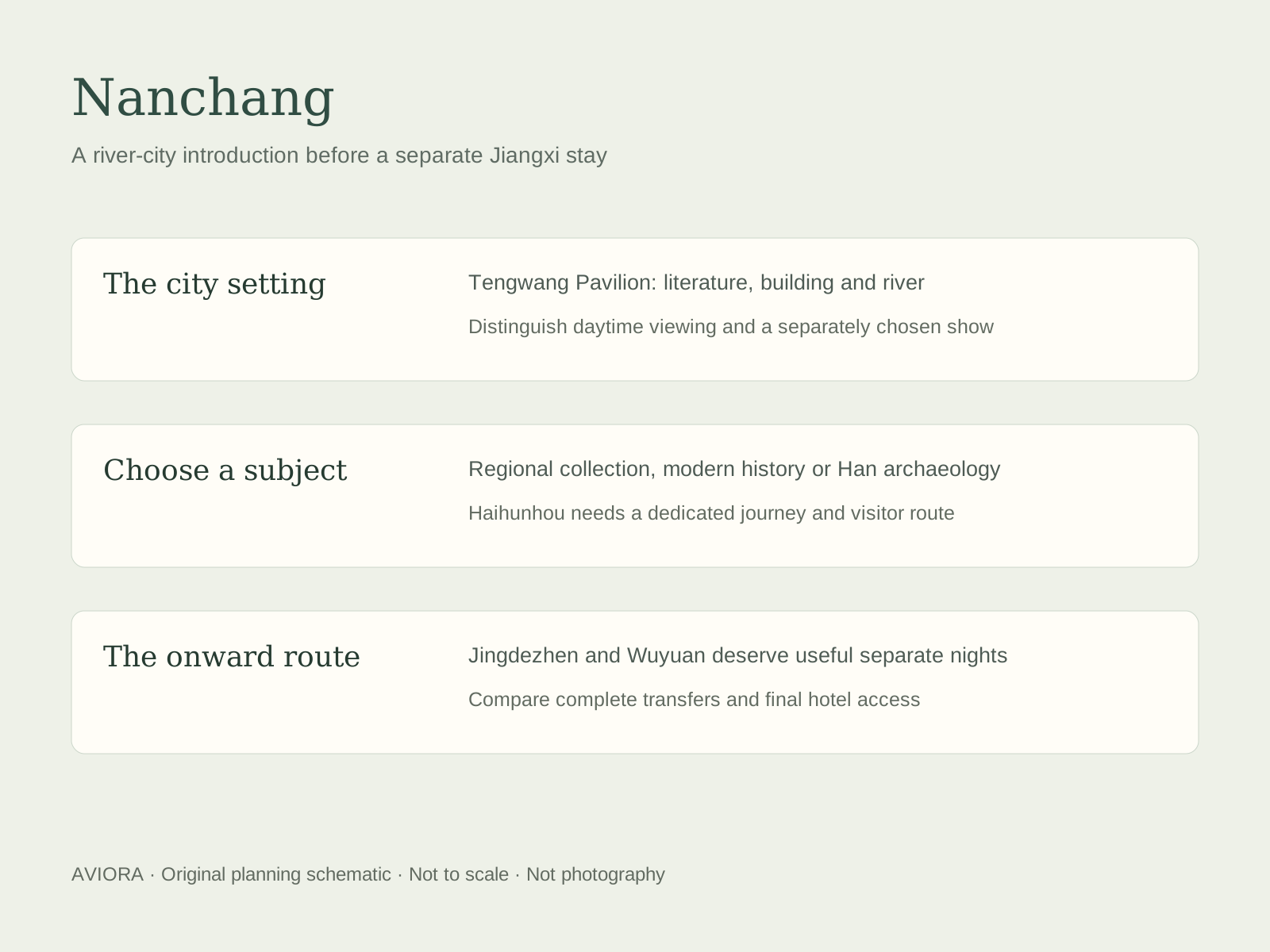
Nanchang (南昌) is the capital of Jiangxi in eastern China, on the Gan River. Choose it for Tengwang Pavilion's literary associations and river setting, a collection that matches your interests, and a useful introduction to the province. Two nights give one full city day; three allow a separate subject such as Haihunhou archaeology. Jiangxi Provincial Museum, the August 1st Nanchang Uprising memorial and the Haihunhou site museum tell different stories in different locations. Jingdezhen's ceramics and Wuyuan's villages deserve separate stays. Nanchang is also distinct from Nanjing (南京) in Jiangsu, a similar-looking English name worth checking carefully in bookings.
How many days do you need in Nanchang?
Two nights suit a focused river-city introduction with Tengwang Pavilion, one complementary interest and regional meals. Three nights give a second full day for Haihunhou, a fuller provincial collection visit or a specific art-history interest. One night can serve a connection when a good meal and sleep are the priorities, with any sightseeing dependent on actual useful hours. Add a fourth night only for a distinct subject or slower pace. If ceramics or villages are the main purpose, compare giving the extra nights to Jingdezhen or Wuyuan rather than return repeatedly to Nanchang.
Compare stays by number of nights
1 night: a practical connection
Use a dependable room, regional meal and the correct onward gateway. A short introduction can fit favorable hours, but an evening arrival and early train do not create time for a provincial collection and an archaeological excursion.
2 nights: one focused city day
Choose Tengwang Pavilion and one complementary subject, or let a principal collection lead the day. Include seated meals and rest. Select an evening option only if it adds something the guest wants rather than repeat the same setting from another ticket category.
3 nights: a distinct second subject
Give Haihunhou, a fuller regional museum visit or an agreed art-history interest its own time. One comfortable city base usually keeps logistics simple. Extra regional nights should follow the actual purpose of the holiday, potentially moving onward to ceramics or village stays.
Plan a tailored Nanchang visit
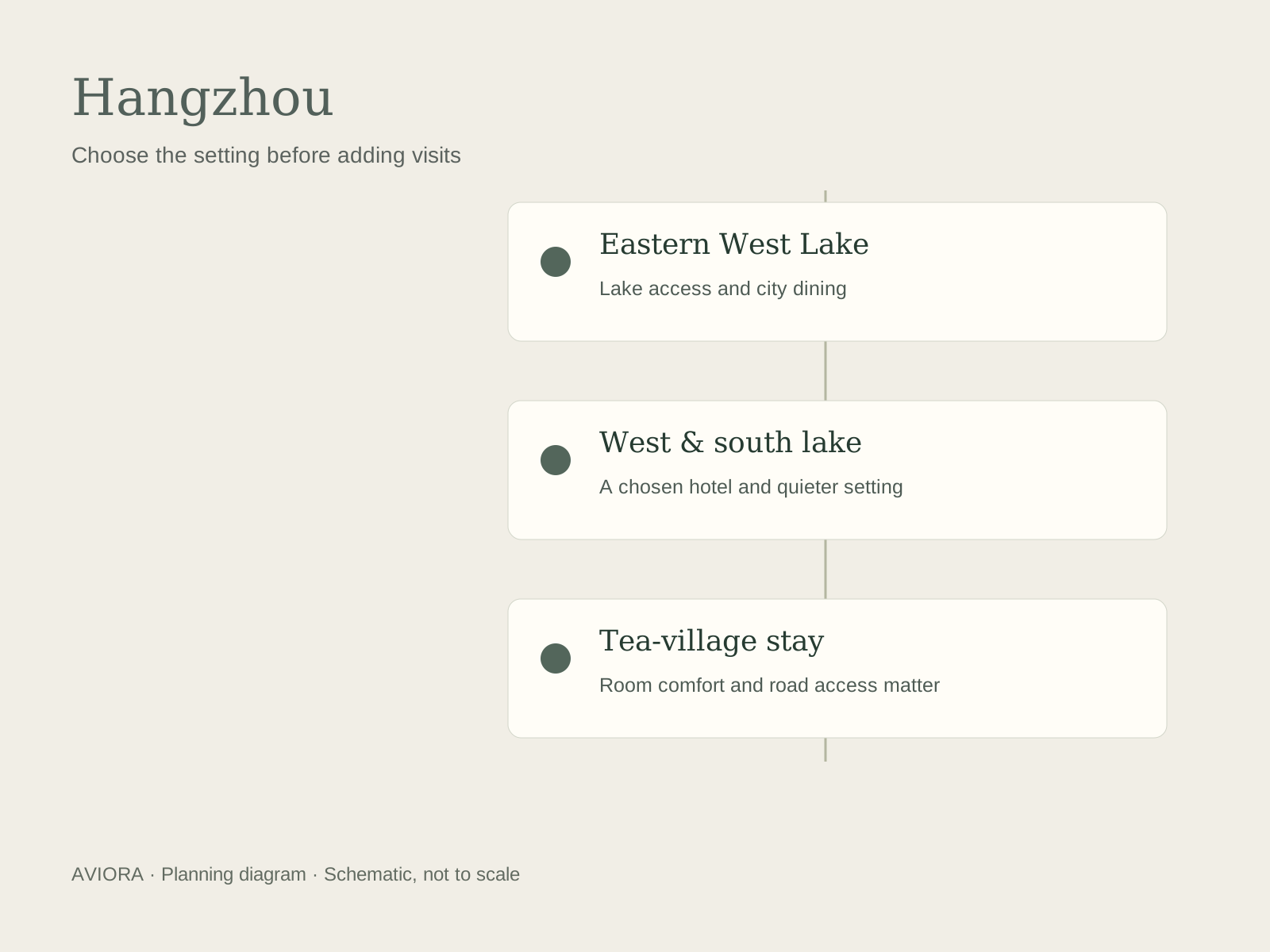
Use Nanchang as a city chapter or clear gateway, then give Jingdezhen's ceramics or Wuyuan's villages their own accommodation and useful days. Hangzhou adds a different lake-and-tea setting through actual dated transport. Choose a sequence that protects the strongest interest and makes full hotel-to-hotel journeys visible. No matching published Nanchang itinerary is recommended here. For a tailored request, share dates, actual arrival and departure, archaeology, art or modern-history interests, room needs and walking limits. Ask which visits provide the best introduction and where the itinerary would benefit from fewer stops.
A proposal should name the hotel and room, actual gateway, full transfers, guide language, principal collection or memorial and agreed admissions. For Tengwang Pavilion, identify the intended visiting period, building access and any separately chosen performance. For Haihunhou, specify the visitor components actually operating and their transport. Art interpretation, a cooking session or a private host requires a real available provider and an agreed subject. Private guiding can improve context and pace; restricted galleries, excavation areas and private premises remain governed by their own access rules. Any special appointment should be explicit in the proposal rather than inferred from a premium tour label.
This is a destination planning guide, not a fixed departure or a confirmed package. We check the route, accommodation, transport and guide availability for your dates before setting out the services and price in writing.
Anchor the city day on the main institution's opening and entry procedure, then add a coherent street or pavilion visit and a proper lunch. Daytime architecture and an evening performance require different schedules; check whether they use separate tickets and access. Give Haihunhou its own realistic road and visit block. A timed collection or performance should not depend on an uncertain flight arrival. Protect the final station transfer and the next destination's check-in rather than fill every spare hour with another city attraction.
01
Understand Tengwang Pavilion through literature, reconstruction and its river setting
02
Choose a collection, memorial or archaeological visit for the subject you want to learn
03
Enjoy a well-planned regional meal before a separately chosen Jiangxi stay
Suggested Nanchang itinerary
What can you fit into your Nanchang itinerary?
Arrival
Reach the right city base and enjoy a meal
Complete the transfer from the actual station or airport, check the room and leave room for dinner. Add a short public walk only when useful time and weather permit. Keep timed museum or performance plans away from uncertain arrival.
Full city day
One main subject and a coherent contrast
Choose Tengwang Pavilion and a relevant collection or memorial, adjusting the order to current entry arrangements. Include lunch, rest and manageable walking. Evening entertainment is optional and needs its own clear booking scope.
Optional second full day
Follow a distinct interest in greater depth
With a third night, give Haihunhou a dedicated excursion or choose a fuller museum or art-history subject. Confirm current displays, visitor routes and transport. Do not promise every archaeological component or an unarranged specialist meeting.
Departure
Continue toward the strongest Jiangxi interest
Allow the complete station journey and final transfer to the next hotel, protecting check-in and meals. This two-night outline with an optional third night is illustrative, not a published package or a guarantee of shows, private appointments or access to archaeological interiors.
Spring and autumn can suit city walks, with rain, humidity and variable temperatures still possible. Summer can be very hot and humid, making a well-timed pavilion visit, seated breaks and an available indoor collection a useful combination. Winter can feel damp and cold, so check effective room heating rather than assume southern China is always warm. Choose a Haihunhou day around current access and forecasts. Wuyuan's seasonal countryside interests require their own timing instead of a general Nanchang weather label.
What affects the cost of a Nanchang trip?
Compare the real room, breakfasts, complete gateway transfers, guiding hours and language, named admissions and reservation support. A central city day and an outlying Haihunhou excursion have different vehicle requirements. Clarify pavilion daytime entry, any show, evening access and selected internal transport separately. A specialist art explanation or food session needs its own provider and scope. Premium value should be evident in better sleep, clear interpretation, time on site and well-arranged meals rather than a vague claim of exclusive access.
Getting there and getting around
How to get to Nanchang and plan your stay
Arriving and connecting
Use the full Changbei airport booking or actual ticketed station. Nanchang, Nanchang West and Nanchang East are different pickups, and the closest gateway depends on the real hotel and onward plan. Include luggage, meeting and the complete road journey before estimating sightseeing time. A practical arrival meal and rest may be the best start after a long journey. Avoid making a pavilion performance or timed collection depend on uncertain transport, especially when continuing directly to a rural property.
Getting around
Use coherent district-to-district transfers with selected walks. River crossings, museum entrances, memorial routes and the actual pavilion approach should shape the order. Haihunhou needs a separate excursion plan with the operating site components, lunch and return. A private vehicle does not reach every gallery or eliminate standing and steps. Check seating and toilets for the intended route and use a shorter alternative in heat or rain rather than continue an unsuitable walking schedule.
Walking and access
Tengwang Pavilion involves the actual route through buildings and grounds, including any steps and available lift arrangements. Museum galleries add standing; memorial routes may have thresholds, stairs and queues. Haihunhou's visitor components can involve separate distances and transport, which need a current route description. Choose resting places, toilets and pickup points. Summer heat and humidity or wet paving can change comfort. A private vehicle reduces transfers between districts but leaves the walking within each attraction to assess.
What first-time visitors often underestimate
Begin with the interest: Han archaeology, Jiangxi collections, modern history, art or a river-city introduction. Nanchang offers different ways into the province, and no guest needs to choose all of them. One well-explained main subject, a manageable contrast and a good meal can give a satisfying day. The wider route should then move toward the experiences that matter most rather than treat the provincial capital as a mandatory base for everything in Jiangxi.
Where to stay in Nanchang
Compare an actual Donghu or Xihu address on the eastern side of the river for selected city streets, meals and Tengwang Pavilion with a Honggutan property for its specific room comfort, museum access and transport pattern. Each district is broad: plot the exact hotel, dinner, visits and station. A river view is a booked room-category question, including which direction it faces and whether glazing or events affect sleep. A Nanchang West-oriented or airport overnight serves a particular connection need. Choose the full stay around quiet, temperature control, breakfast and useful travel time rather than assume the newest hotel or closest station is best for every day.
Compare hotel areas
An eastern-bank Donghu or Xihu address / city streets and meals
Review the exact street, room quiet, lift, temperature control, restaurants and pickup. District names cover very different surroundings. Check the route to the actual pavilion or memorial entrance rather than assume every centrally described hotel is within an easy walk.
Honggutan / a modern room and selected western-bank visits
Compare a specific property for comfort, current museum location, meals and onward transport. Include the river crossing to eastern-bank visits. A skyline or river-view room needs its own category confirmation, and a modern district should not be described as one compact sightseeing zone.
A station- or airport-oriented room / a named connection
Match Nanchang, Nanchang West, Nanchang East or Changbei airport to the actual booking. Account for the final road journey and meal availability. A hotel that helps one early departure may reduce useful city time, so compare the whole stay before moving rooms.
Should you choose Jiangxi Museum, the Uprising memorial or Haihunhou?
Jiangxi Provincial Museum provides a regional archaeology, history and material-culture introduction through selected current galleries. The August 1st Nanchang Uprising memorial focuses on the 1927 event and modern revolutionary history, with its own sites and visiting arrangements. Haihunhou offers a different archaeological subject connected with the Western Han burial of Liu He, Marquis of Haihun, outside the central city. Name the actual institution, display and visitor route. A museum collection, a memorial building and an archaeological landscape require different explanations and time. With one full day, choose the subject you most want to understand instead of booking three museums simply because they share a city name.
Tengwang Pavilion's literary history and present building are different layers
The pavilion's name and Wang Bo's celebrated literary association reach back much farther than the present reconstructed structure. Explain the literary setting, views and current building honestly instead of describing every visible beam as Tang-period fabric. This distinction can make the visit more interesting, particularly for guests who want to understand how China remembers and rebuilds historic places.
Daytime viewing and an evening show answer different interests
Architecture, river views and reading the setting suit a daytime visit; a performance has its own production, language, sightlines and schedule. Confirm entry, seating if relevant, start time and return arrangements. A night photograph does not establish that all interiors remain open or that every admission includes a show.
Haihunhou deserves an archaeological narrative
A useful visit explains Liu He's historical context and what excavated objects can show about status, burial and daily material culture. Confirm the actual collection and site components. A site-museum ticket is not proof that guests enter an original burial chamber, active excavation or conservation laboratory. Give the journey enough time instead of adding it as an unspecified nearby stop.
Modern history is a specific choice
The Uprising memorial is most rewarding when the guest wants to understand the 1927 event and its subsequent commemoration. Choose the actual site and explanation, including display language and reading needs. It should not be treated as a generic old building interchangeable with a Han archaeology collection or pavilion visit.
Bada Shanren needs a clear art-history purpose
Qingyunpu's memorial setting can support a focused introduction to the artist, with the currently accessible buildings and displays identified. Distinguish original works, reproductions and interpretation. A memorial title does not guarantee a survey of masterpieces or access to a named specialist, so define what the session can actually teach.
Jiangxi is more than a set of Nanchang day trips
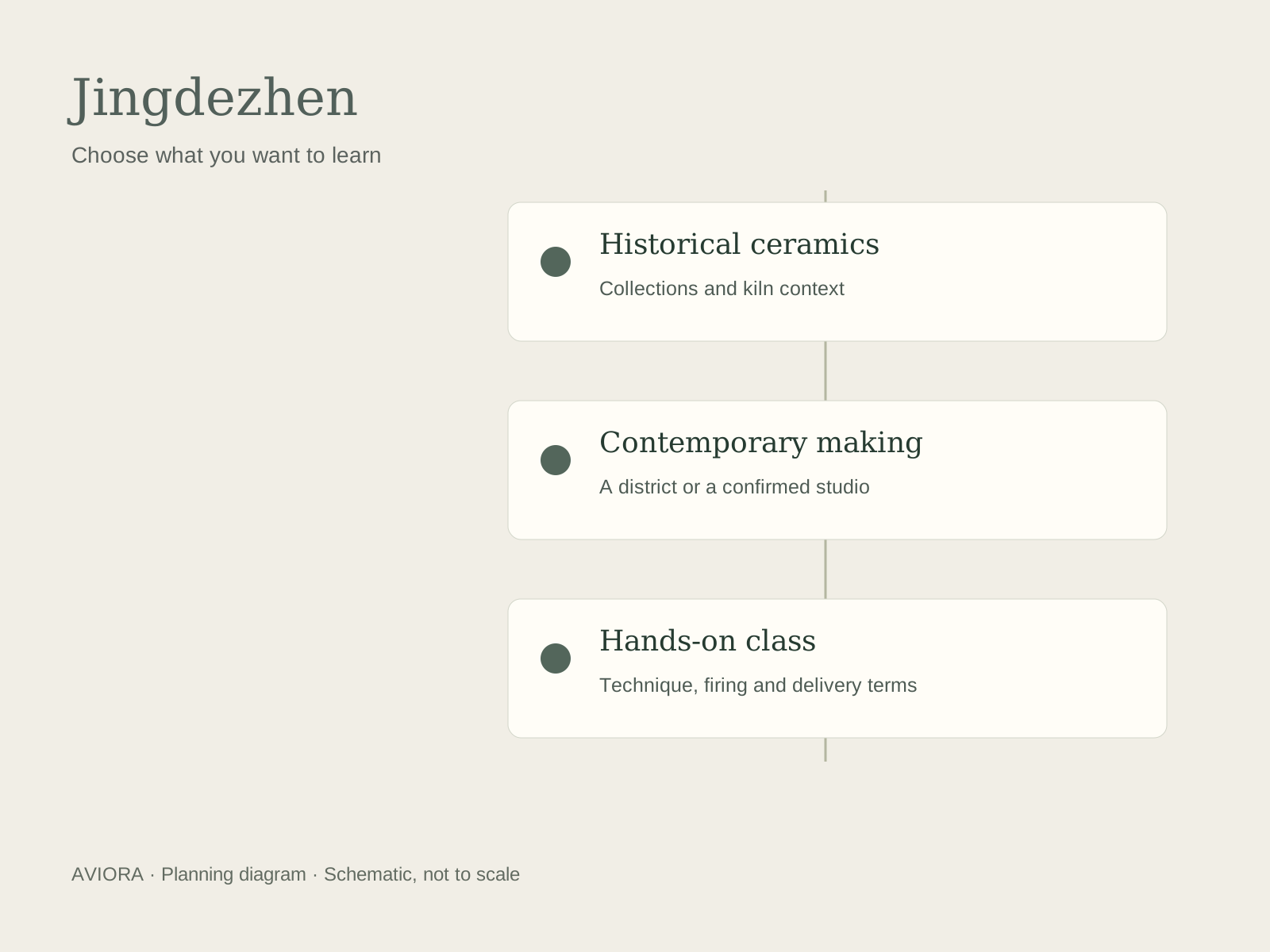
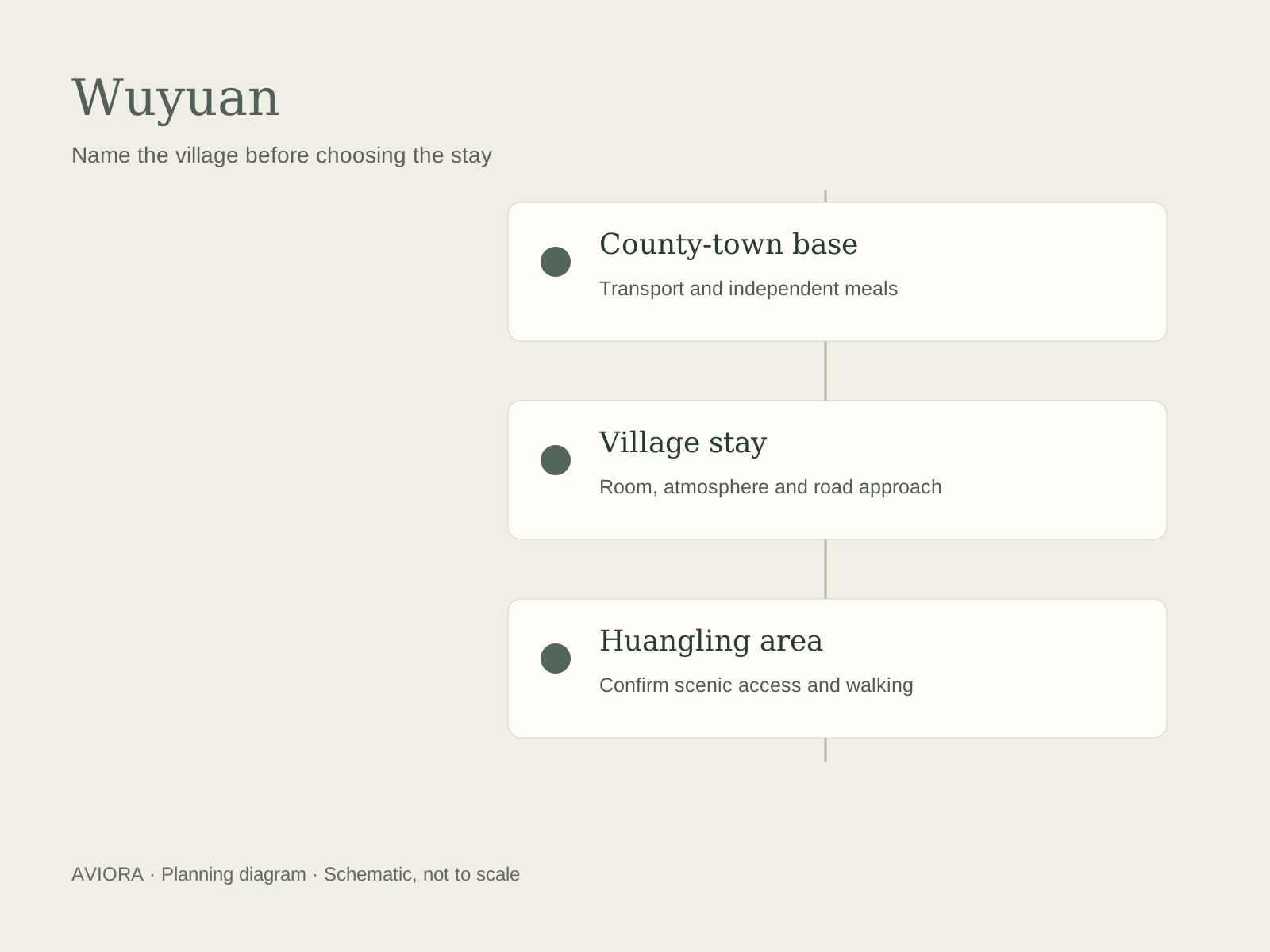
Jingdezhen, Wuyuan and other provincial destinations have their own travel and overnight value. A short train time can hide station transfers, luggage and lost local hours. Choose separate stays for deeper ceramics or village interests rather than return to Nanchang each night merely to avoid changing hotels.
Spice and ingredient choices belong to the actual kitchen
Nanchang rice-noodle dishes and soups vary in stock, toppings, chili and preparation. Request the actual recipe and a suitable heat level before ordering. Rice noodles do not establish that the whole dish is gluten-free, vegetarian or allergy-safe. A seated meal and clear ingredients can be more valuable than a compulsory snack circuit.
Culture and historical context
Choose the historical lens before the building
Tengwang Pavilion, the Uprising memorial and Haihunhou can all appear under Nanchang's name, yet they ask different questions. The pavilion invites an introduction to literature, place and reconstruction; the memorial focuses on a modern historical event and its commemoration; archaeology begins with objects and their excavated context. Explaining those differences helps a visitor choose a meaningful day rather than experience several unrelated buildings through the same generic city-history speech.
A provincial collection or a focused Bada Shanren introduction can deepen a particular theme when current displays and interpretation support it. Identify original material, reproductions and curatorial explanation clearly. A specialist should add a real subject and perspective, with the provider and session agreed in advance. Good planning lets the guest follow that interest onward, perhaps toward Jingdezhen's material processes or Wuyuan's settlement patterns, without claiming one city museum represents every aspect of Jiangxi.
Food and social life
A bowl of noodles deserves a clear explanation
Nanchang rice noodles can introduce the city through their preparation, texture, toppings and seasoning. A companion soup may provide a different balance, but the actual kitchen and serving format matter. Ask a guide to explain what is on the table and let the guest choose chili and portions. A comfortable seated breakfast or lunch can provide more value than several rushed food stops between museums, especially in humid weather.
Discuss meat stock, fish or shellfish ingredients, soy, wheat-containing sauces, nuts and shared equipment with the kitchen. Rice noodles alone do not determine the dietary suitability of a finished dish. Serious allergies and religious or vegetarian requirements need preparation capacity and an alternative. A cooking demonstration or hosted meal requires separate consent and a defined activity; a local restaurant reservation should be described as a meal unless something more has actually been arranged.
Nanchang travel FAQ
Questions about visiting Nanchang
Is Nanchang worth visiting on a Jiangxi trip?+
Yes when its pavilion, collections, archaeology or modern-history subjects interest you. Two nights give a focused city day; three allow a second subject. If ceramics or villages are the main purpose, compare a shorter gateway stay with more time in Jingdezhen or Wuyuan.
How many days do I need in Nanchang?+
Allow two nights for one full city day or three for another distinct interest such as Haihunhou. A connection night may provide a meal and sleep rather than a cultural day. Include full gateway and outlying-site journeys when judging what fits.
Is the current Tengwang Pavilion an original Tang building?+
The present pavilion is reconstructed. Its literary associations and the site's longer history should be distinguished from the age of today's visible structure. A worthwhile visit can explain those layers and the river setting without presenting the current building as surviving Tang-period fabric.
Does Tengwang Pavilion admission include an evening performance?+
Check the exact dated ticket and chosen format. Day entry, evening access and a performance may have different conditions, times and viewing arrangements. Confirm what is included and how the visit ends rather than infer show access from a general pavilion booking.
Should I visit Jiangxi Museum or Haihunhou?+
Choose the provincial museum for a broader regional collection or Haihunhou for a specific Western Han archaeological subject and a dedicated excursion. They are different institutions and locations. Current displays and visitor components should determine the route, not a promise of access to an original burial chamber.
Where should I stay in Nanchang for sightseeing?+
Compare a precise eastern-bank Donghu or Xihu address for selected central visits with a Honggutan property for its actual room and western-bank route. Check noise, heating or cooling, meals, bridges and full gateway transfers. A station hotel serves a particular connection rather than every sightseeing priority.
Are Nanchang station, Nanchang West and Nanchang East the same?+
No. Use the full station name on the ticket and the agreed meeting point. Changbei airport is another gateway. Also distinguish Nanchang in Jiangxi from Nanjing in Jiangsu when checking bookings and written plans.
Can I use Nanchang as a base for Jingdezhen and Wuyuan?+
A focused day visit may be considered when actual transport and interests fit, but deeper ceramics or village travel usually benefits from separate useful nights. Count both station transfers, luggage and the final journey to a studio, village or hotel rather than compare train durations alone.
Is a published Nanchang private tour recommended here?+
No matching published product is recommended. Request a tailored plan with dates, actual gateways, principal historical interests, room needs and walking limits. The proposal should name included visits and transfers and separately allocate any Jingdezhen or Wuyuan stay.
Share your dates, interests, arrival and departure cities, and any plans already booked. We’ll recommend an itinerary at a pace that suits you, with the arrangements and price explained before you book.