Cave sculpture, merchant courtyards and imperial stonework in their own contexts · Central China
Gongyi Travel Guide: Grottoes, Kang Baiwan Mansion & Stays
Plan Gongyi for Gongxian cave sculpture, Kang Baiwan Mansion and selected Northern Song tomb stonework. Compare a Zhengzhou or Luoyang excursion with a local stay.
A focused full day; 2 nights for an unhurried local introductionBuddhist sculpture, courtyard architecture and a less familiar Henan cultural chapter
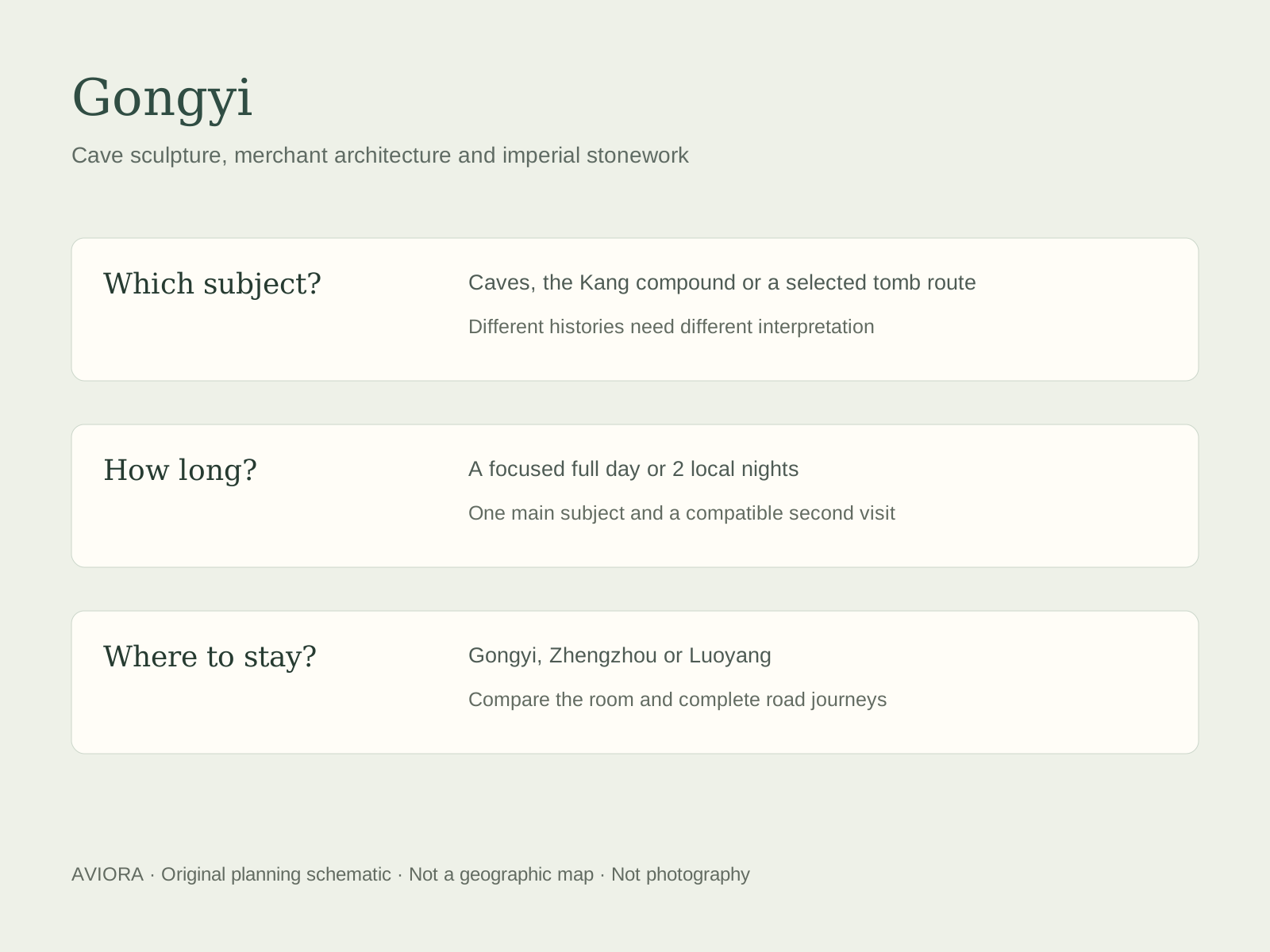
Gongyi (巩义) is a city administered by Zhengzhou in Henan, between the broader Zhengzhou and Luoyang travel areas. Its strongest cultural interests are distinct: Buddhist cave sculpture at the Gongyi or Gongxian Grottoes, merchant-family architecture at Kang Baiwan Mansion, and selected Northern Song imperial tomb landscapes. Choose one main subject and a compatible second visit for a full day, rather than assume they form one compact heritage park. A day excursion can suit travelers retaining a comfortable Zhengzhou or Luoyang hotel. A local stay is useful when it improves the complete route or gives a particular subject more time, not simply because the city is less familiar.
How many days do you need in Gongyi?
A full day can support one principal cultural interest and a compatible second subject when the complete drives and current access fit. One local night can divide a Zhengzhou–Luoyang sequence, but depends on arrival and departure hours. Two nights give one full day without a room change. More nights need a distinct interest, a suitable property and a realistic local plan. Do not call a drive-through stop a full Gongyi visit or assume a local hotel is necessary for every traveler.
Compare stays by number of nights
Day excursion / one main question
Retain a Zhengzhou or Luoyang room when the complete return drive works. Choose the principal interest and a compatible second visit rather than try to cover every heritage category. This can be a substantive cultural day without changing hotels.
1 local night / make the through-route useful
Compare an overnight in Gongyi with a direct journey between the larger cities. It helps only when the room and useful site hours justify packing. A late arrival and early departure do not automatically create a cultural stop.
2 local nights / one unhurried full day
Use the full day for the chosen sculpture, architecture or stonework interests, with a proper meal and breaks. One good local base can simplify the day, provided the actual room meets the guest’s needs. More nights need another real subject rather than repeated similar visits.
Plan a tailored Gongyi visit
Share dates, starting and finishing hotels, available days and whether Buddhist art, merchant architecture or Song funerary stonework matters most. We can compare a focused excursion with a local stay or an assessed stop between Zhengzhou and Luoyang. No matching published Gongyi itinerary is listed here. A tailored plan should show the actual sites, entrances, walking and transfers, with a worthwhile alternative if a selected cave or room is unavailable.
A tailored Gongyi proposal should name the chosen cave, compound or tomb areas, guide, admissions, full road transfers, meals and any hotel. Interpretation should distinguish surviving fabric, restoration, replicas and later additions. A private driver does not establish access to restricted caves, closed rooms, archaeological areas or fields. Expert meetings, photography permissions and special access need separate confirmed arrangements; no curator, private residence or underground burial chamber is implied by a cultural visit.
This is a destination planning guide, not a fixed departure or a confirmed package. We check the route, accommodation, transport and guide availability for your dates before setting out the services and price in writing.
Choose one main subject for a useful half-day window, including arrival, entrance, interpretation and walking. A second visit needs its own transfer and time, not an assumption that everything in Gongyi is adjacent. Leave a seated meal and keep onward train boarding outside the sightseeing allowance. A cultural stop during a hotel transfer is worthwhile only when luggage, pickup and the full onward journey have been assessed.
01
Read selected Buddhist cave sculpture through form and patronage
02
Explore the public Kang Baiwan compound for merchant-family architecture
03
Choose a permitted Song tomb surface route for a distinct stonework interest
Suggested Gongyi itinerary
What can you fit into your Gongyi itinerary?
Before the visit / choose the main subject
Compare a city-base excursion with a local night
Identify the actual starting hotel, selected sites and ending gateway. Confirm openings, walking and baggage. Choose a local room only when the complete sequence and room quality improve the trip.
Main visit / sculpture or architecture
Give the first subject time to become readable
Follow the selected cave route or public compound path with interpretation and breaks. Identify original fabric, later changes and display material. A particular cave, room or photograph remains subject to current access.
Second visit / a meaningful contrast
Choose the compound or a tomb landscape deliberately
After a seated lunch and the full transfer, add a compatible second subject if time and energy allow. A named Song tomb surface visit is an alternative with its own route, not a promise to include every monument.
Return or onward / retain useful time
Protect the next connection
Return to the actual Zhengzhou or Luoyang hotel, stay in the confirmed Gongyi room or continue by the assessed gateway. The tailored proposal should name sites, guiding, room if any, meals, walking and alternatives without implying a new product.
Spring and autumn can suit courtyard and outdoor stonework visits, with conditions varying by day. Summer heat and rain can affect approaches and exposed tomb landscapes; winter calls for cold and footing checks. Cave interiors and a public compound route have their own access and conservation rules, so an indoor label is not a guarantee of availability. Holiday visitor levels can change the pace. Choose the sequence around current openings, weather and stamina rather than promise an empty lesser-known destination.
What affects the cost of a Gongyi trip?
Compare guide expertise, vehicle hours, named admissions, selected visitor routes, meals and the actual room if staying. Identify photography or special-visit arrangements separately, only when obtainable. Check cancellation and alternatives for unavailable areas. A premium should deliver careful explanation and comfortable pacing, not implied exclusive access, empty courtyards or a private archaeological encounter.
Getting there and getting around
How to get to Gongyi and plan your stay
Arriving and connecting
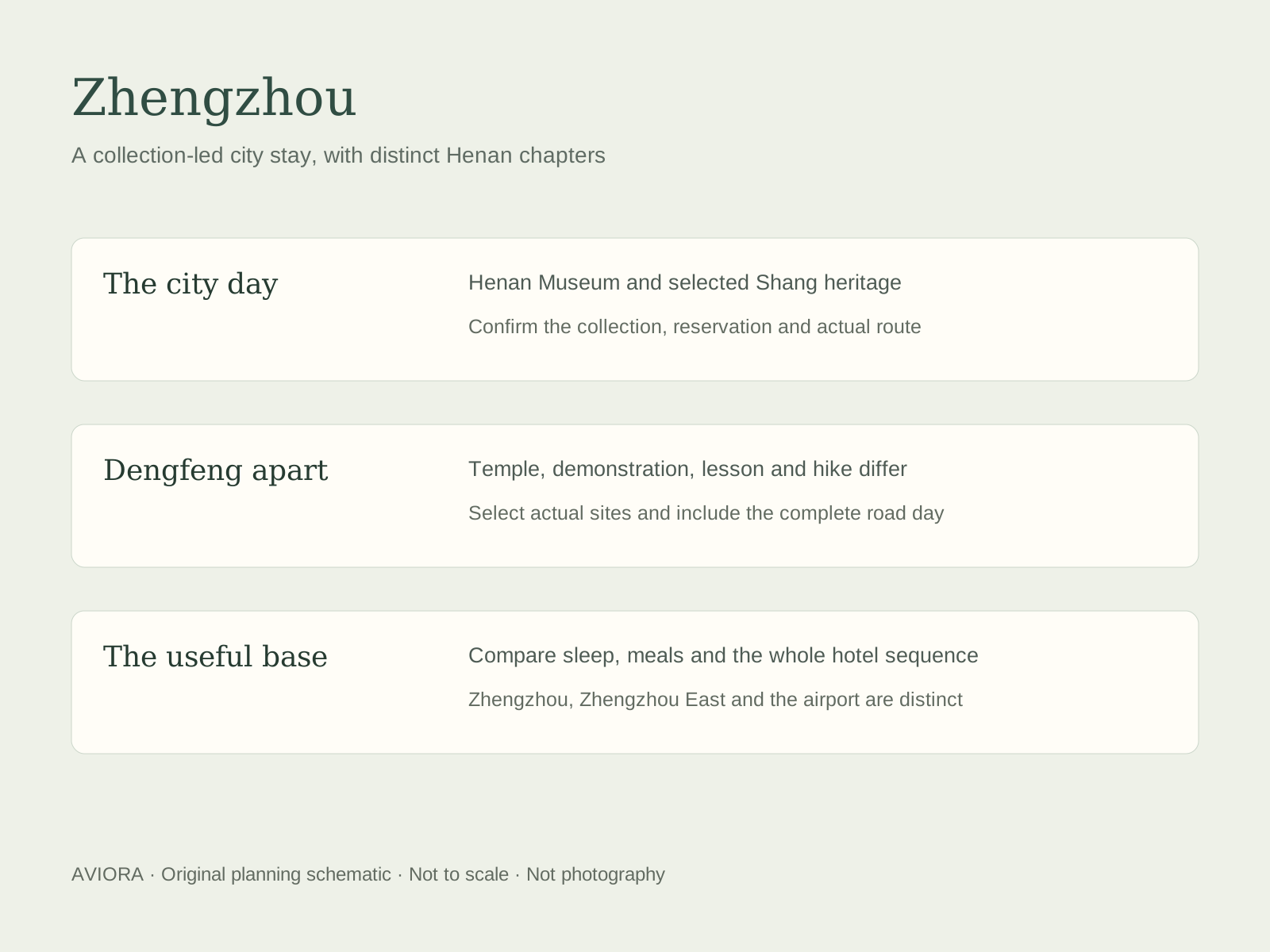
Compare the actual road approach from Zhengzhou or Luoyang with dated rail services to the station that fits the chosen plan. Gongyi (巩义) and Gongyi South (巩义南) are separate gateways; include the transfer to the hotel or first monument. Allow for luggage, meals, site hours and onward boarding. If sightseeing during a hotel transfer, establish how luggage stays with the vehicle and where the visit finishes before confirming the sequence.
Getting around
Use a defined vehicle plan between separate sites, with current entrance and pickup points confirmed. Within each visit, follow the permitted public route and conservation instructions. A drive to a tomb area does not establish public access across surrounding fields. Identify steps, seats, walking surfaces and a shorter option for the actual cave and compound paths. A private car cannot remove internal stairs or open closed rooms.
Walking and access
Cave visits can involve approaches, thresholds, standing in limited spaces and steps, depending on the actual route. The Kang compound has changes of level, courtyard surfaces and potentially narrow or stepped sections; review the chosen visitor path. Tomb interests can add exposed outdoor walking and uneven ground. Ask for continuous walking, seats, handrails and a shorter alternative rather than calling all heritage visits gentle.
What first-time visitors often underestimate
Choose the question that interests you: how Buddhist worship is represented in stone, how a merchant household organized space, or how imperial commemoration shapes a landscape. The sites can connect within a wider history trip, but they are not the same subject or one attraction. A focused visit with a good explanation can offer more depth than a rushed tour of all three.
Where to stay in Gongyi
Compare a named Gongyi urban room for conventional services and meals with retaining a suitable Zhengzhou or Luoyang base. Local accommodation can simplify a chosen sequence but should earn the move through actual comfort and useful time. Check bedroom noise, bathroom, heating or cooling, breakfast, dinner, luggage and pickup. A property near one monument may add travel to another. Gongyi and Gongyi South railway stations are separate gateways; a station-area address does not establish a convenient cultural base.
Compare hotel areas
Gongyi urban address / conventional room and meals
Compare the exact hotel with the selected monuments and gateway. Check sleep, bathroom, climate control, dinner and vehicle pickup. A suitable modern room may provide a better cultural base than an atmospheric listing with unclear services.
Near a selected monument / inspect the full tradeoff
A location useful for the compound may be less useful for caves or a tomb-area interest. Confirm actual room quality, road access, meals and luggage arrangements. Nearby does not establish walkable public access, historic fabric or a private host.
Retain Zhengzhou or Luoyang / a wider trip base
Use the actual hotel, both road journeys and the guest’s tolerance for a long day in the comparison. A larger-city property can offer the desired room and services without another hotel move. Do not calculate the visit from a generic city-center pin.
Which Gongyi sights should I combine in one day?
Start with your main interest. Cave sculpture can pair with the Kang Baiwan compound for two different kinds of looking, when current access, complete transfers and stamina allow. A selected Song tomb interest instead needs time to understand the surface landscape and surviving stonework. Do not promise all tombs, all caves and the entire compound in a single transfer day. Choose actual sites and routes, allow a proper meal and explain what each contributes.
Gongxian and Gongyi names can refer to the same cave interest
Older English references often use Gongxian Grottoes for the cave-temple site now associated with Gongyi. Use the actual Chinese site name and current entrance when making arrangements, rather than book two purportedly different cave destinations. Confirm which caves and reliefs can be viewed; a historical description is not a current opening list.
The cave visit rewards close looking, not a scale contest
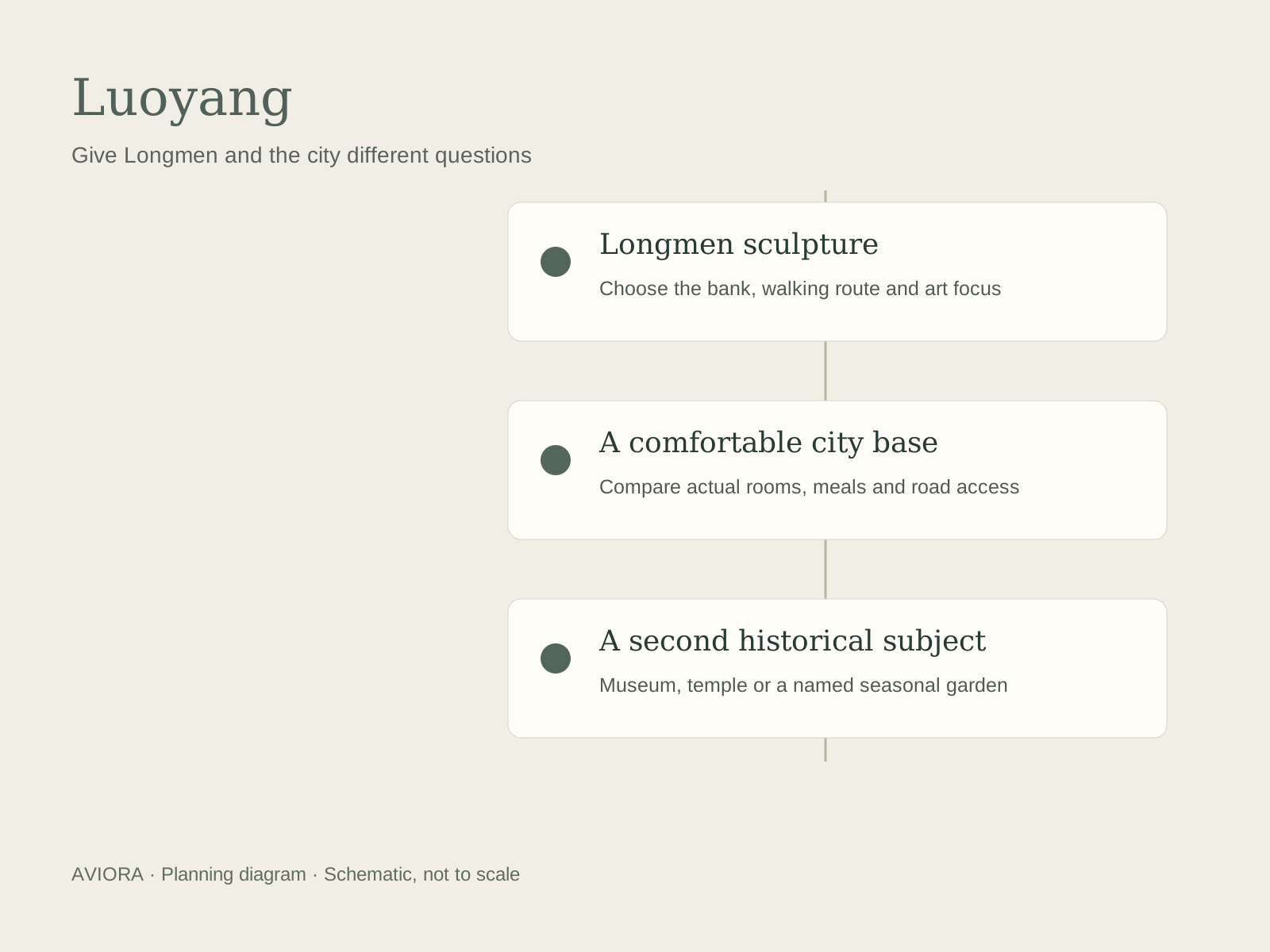
The site is associated with Northern Wei Buddhist sculpture, including processional imagery that can introduce patronage, worship and visual hierarchy. Give the selected accessible reliefs time and context. Do not sell it as a miniature replacement for Longmen or promise that every image in a reference book is visible. Photography, lighting and proximity follow conservation rules.
Kang Baiwan is a merchant compound, not an imperial palace
Read the public route through courtyard organization, household space, commercial wealth and the relationship between buildings and terrain. Establish which rooms and levels are open. Surviving fabric, restoration and display interpretation are not identical evidence. A ticket does not include a resident family visit, private banquet or access to closed rooms.
Song tombs are dispersed surface landscapes
Choose a named accessible tomb-area route and understand its surviving stone figures, approach and setting. Do not expect a single enclosed complex with every emperor represented in one short loop. Public surface visiting does not imply an open burial chamber, unrestricted field access or permission to climb sculptures. Conditions, barriers and land use can change the route.
A stop between cities must improve the whole journey
Gongyi’s position can suggest an attractive Zhengzhou–Luoyang connection, but a detour, baggage, meals and site hours still count. Compare one good cultural stop with a fuller day or a local night. A direct-looking line on a map is not evidence that all selected sites fit before a fixed evening train.
Culture and historical context
Three kinds of space, three different historical questions
A cave relief, a merchant courtyard and an imperial tomb approach communicate through space in different ways. At the caves, the relationship between religious images and patrons can help a visitor look beyond individual faces. In the compound, routes and courtyards invite questions about household organization, commerce and status. At a selected tomb landscape, the approach and surviving stonework frame a different kind of authority and commemoration.
Keep the evidence visible in the explanation. A surviving carving, a repaired wall, a reconstructed room display and an empty archaeological space do not carry the same information. The strength of a cultural visit is the ability to distinguish them and understand why each matters. There is no need to claim every building is untouched, every site deserted or every room privately opened for the guest.
Food and social life
Give a cultural day a proper Henan lunch
Choose a seated meal between the main visits rather than chase a list of snacks while crossing the city. Ask a suitable kitchen what it prepares well and build the meal around a wheat-based staple, vegetables and a preferred protein. Huimian, the broad-noodle soup associated with Henan, can be an approachable option when available; check the actual broth and ingredients instead of treating every version as identical.
For guests with dietary needs, explain meat stocks, wheat, soy and shared preparation as relevant. Agree portions and keep unfamiliar tastes optional. A restaurant meal near the Kang compound does not imply historic family recipes, access to a private kitchen or a merchant-style banquet. Reliable service, a comfortable seat and enough time to discuss the morning can be the most valuable part of the lunch.
Gongyi travel FAQ
Questions about visiting Gongyi
Is Gongyi worth visiting?+
Choose Gongyi for Buddhist cave sculpture, merchant architecture or selected Northern Song tomb stonework. A focused full day can add depth to a Henan trip. Select actual sites and allow complete transfers rather than expect one compact heritage park.
Are Gongxian Grottoes and Gongyi Grottoes the same place?+
Older English references often use Gongxian Grottoes for the cave-temple site now associated with Gongyi. Confirm the Chinese site name, current entrance and open caves when arranging the visit. Do not treat the two names as separate attractions.
How do Gongyi Grottoes compare with Longmen?+
They offer different scales, settings and opportunities for looking at Buddhist sculpture. Gongyi can reward a focused interest in selected reliefs and patronage; Longmen has its own substantial riverside plan. Neither should be promised as an interchangeable substitute or an automatic add-on to the other.
What is Kang Baiwan Mansion?+
It is a merchant-family compound in Gongyi, useful for exploring courtyard organization, household space and commercial wealth. The public visitor route and open rooms need confirmation. It is not an imperial palace or a promise of a hosted private-home visit.
Can you go inside the Northern Song imperial tombs?+
Plan around a specifically permitted surface route and surviving stonework. A public tomb-landscape visit does not establish an open burial chamber or unrestricted access across fields. Confirm the named area, walking and current restrictions before booking.
Can I visit Gongyi from Zhengzhou or Luoyang?+
A focused day excursion can be assessed using the actual hotel, selected sites, full road journeys and a meal. A stop while changing cities needs its own baggage and onward plan. The map position alone does not prove every attraction fits.
How many nights should I spend in Gongyi?+
A day excursion may be enough for one main subject and a compatible second visit. Two local nights give one full day without moving hotels. One night helps only when arrival and departure create useful time and the room justifies the move.
Is Gongyi suitable for travelers who avoid stairs?+
Assess the actual cave and compound routes first. Steps, changes of level, uneven surfaces and standing can matter, while tomb interests add exposed walking. Ask for the shorter permitted route and alternatives; a private car does not remove internal stairs.
Can I photograph the Gongyi cave sculptures?+
Follow the site’s current conservation and photography rules for each open area. Do not assume a ticket allows flash, tripods, close approaches or unrestricted interior photography. Any special arrangement needs separate permission rather than an implied private-tour benefit.
Is there a published Gongyi itinerary here?+
No matching published product is listed on this page. Share dates, actual gateways, available days, walking needs and cultural interests for a tailored assessment. The example outline does not promise a new package, specialist meeting or restricted access.
Share your dates, interests, arrival and departure cities, and any plans already booked. We’ll recommend an itinerary at a pace that suits you, with the arrangements and price explained before you book.