Answer Brief
The Answer, Briefly
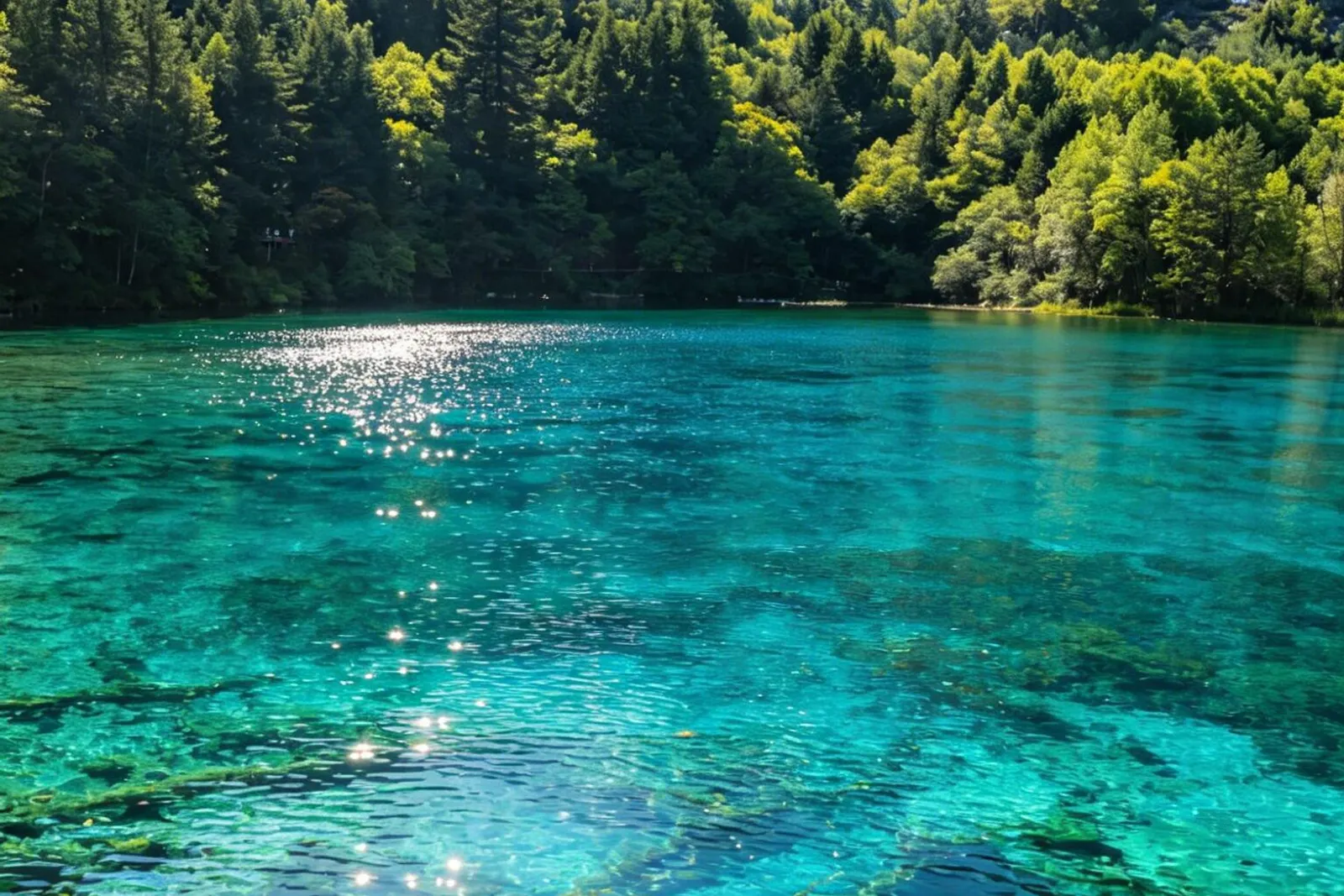
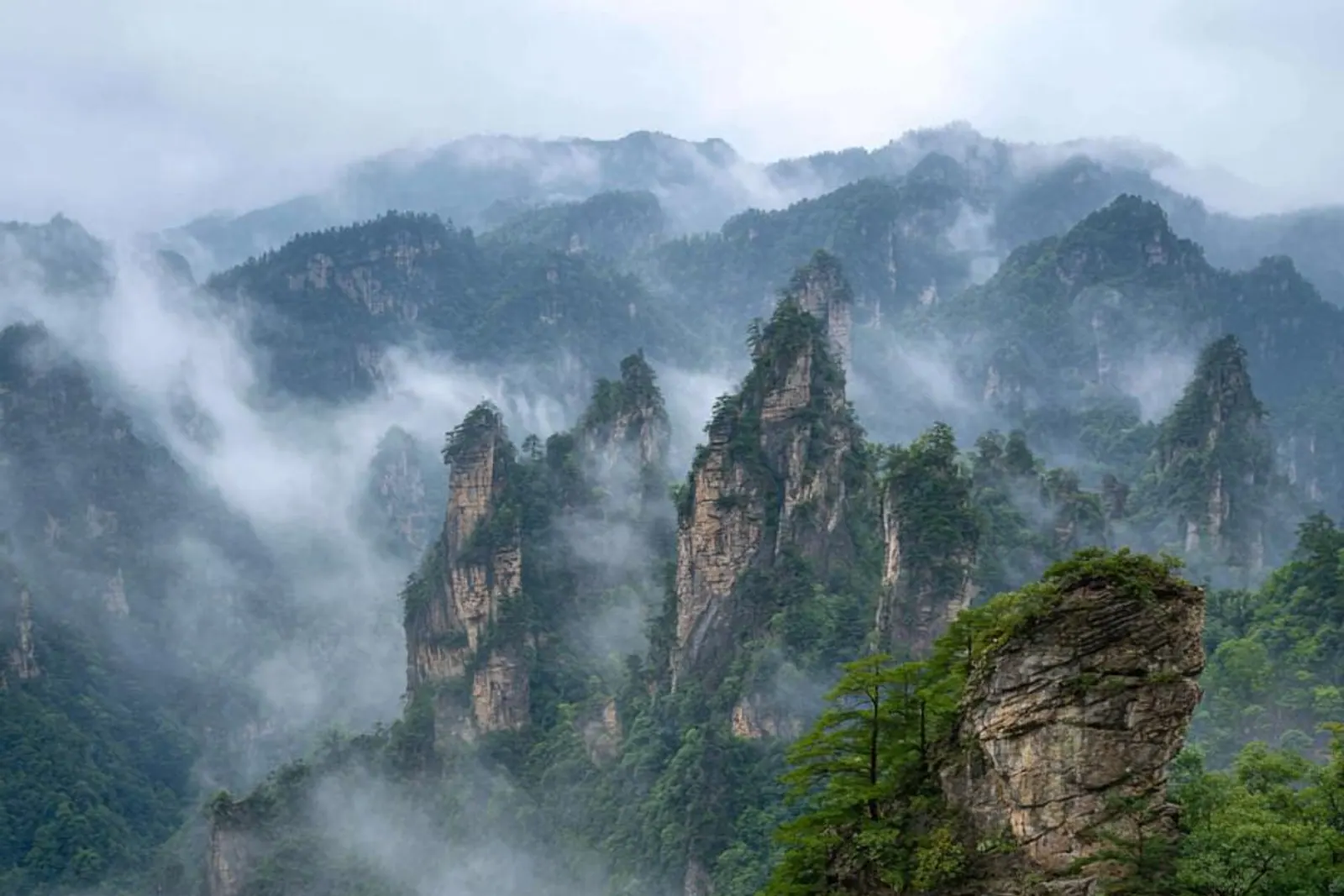
Choose Jiuzhaigou for alpine lakes, waterfalls and forest detail; choose Zhangjiajie for sandstone pillars, high viewpoints and a more vertical visitor route. The better choice depends on altitude tolerance, stairs, height comfort and the cities already in your trip. Jiuzhaigou fits a Chengdu chapter; Zhangjiajie needs its own gateway and park-base decisions. Neither destination is universally easy, and adding both to a short holiday can consume more time in transfers than it adds in scenery.
Key Takeaways
- Choose lakes and forest detail in Jiuzhaigou or pillar landscapes in Zhangjiajie.
- Compare altitude, sustained walking, stairs and height exposure separately.
- Count road transfers beyond the railway or airport gateway.
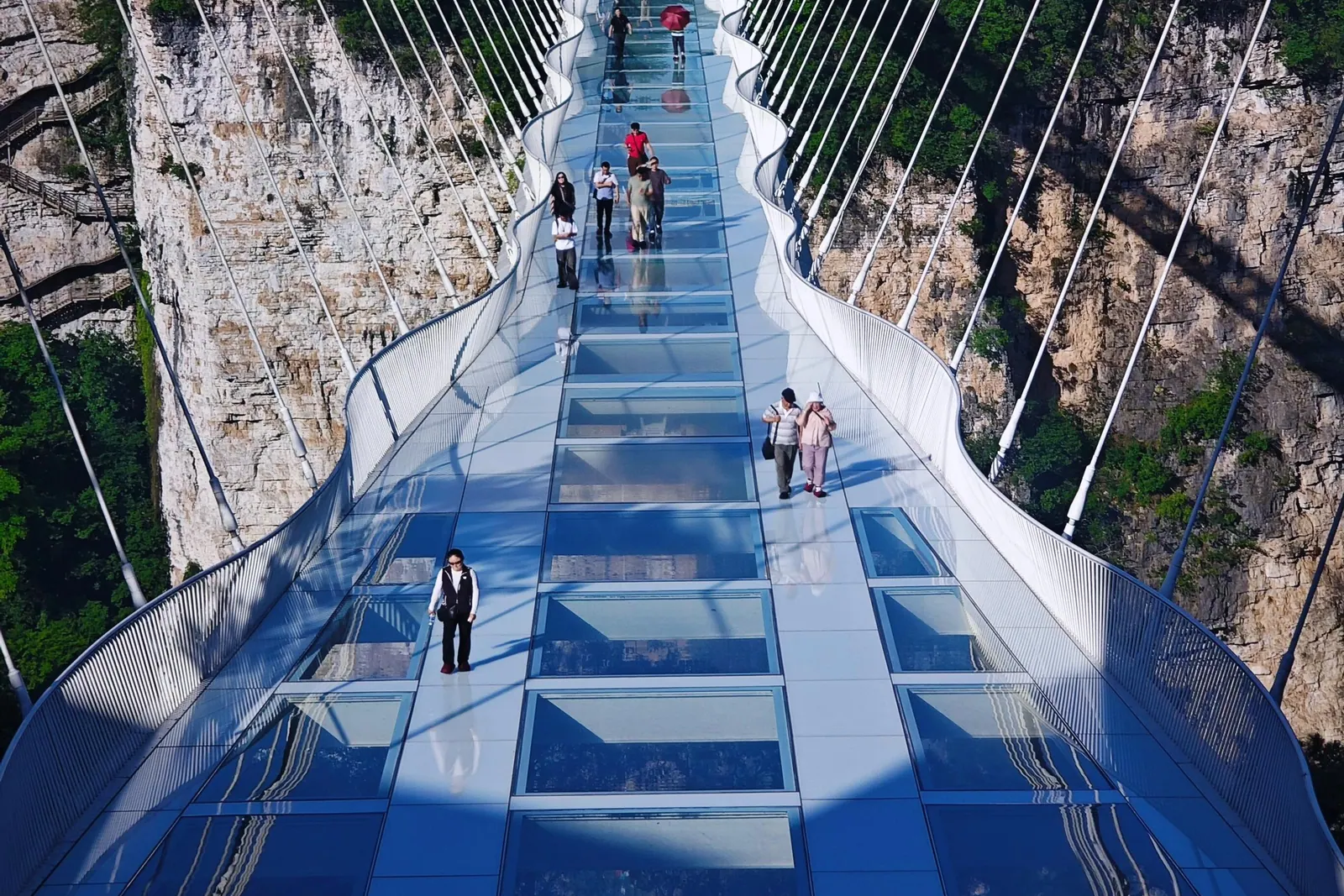
- Keep Huanglong, Tianmen Mountain and the glass bridge as separate choices.
Choose Jiuzhaigou for luminous lakes, waterfalls, forest color and a calmer valley-based landscape. Choose Zhangjiajie for monumental sandstone pillars, high viewpoints and a more dramatic network of cable cars, shuttles and mountain platforms. Both are exceptional, but they create different days and demand different logistics.
For a first China trip, the better choice is usually the one that connects naturally to the cities you already value. Jiuzhaigou pairs with Chengdu and pandas. Zhangjiajie pairs cleanly with Shanghai by air or with Chengdu and Chongqing in a southwest route. Adding both to a short itinerary creates transfers rather than depth.
Landscape And Emotional Experience
Jiuzhaigou is about water and seasonal detail: clear lakes, mineral color, waterfalls, forest and changing reflections. The pleasure often comes from walking between related scenes and noticing how light changes the color. It suits travelers who enjoy a composed, immersive landscape rather than a single famous viewpoint.
Zhangjiajie is about scale and verticality. Pillars rise from forest, and weather can transform the same outlook from open panorama to mist-filled layers. The experience is more architectural and exposed, with elevators, cableways and cliff routes shaping how visitors move through the terrain.
Walking, Altitude And Physical Comfort
Jiuzhaigou uses park shuttles and boardwalks, but still requires repeated walking and standing at altitude. Zhangjiajie uses more varied vertical transport, yet often involves stairs, queues, uneven paths and height exposure. Neither destination should be sold as universally easy.
Travelers concerned about altitude should examine Jiuzhaigou carefully. Travelers with knee issues, balance concerns or fear of heights should examine Zhangjiajie's exact route. Compare the detailed Jiuzhaigou accessibility guide with our Zhangjiajie walking and stairs guide before choosing.
Transport And The Cost Of Adding Each Destination
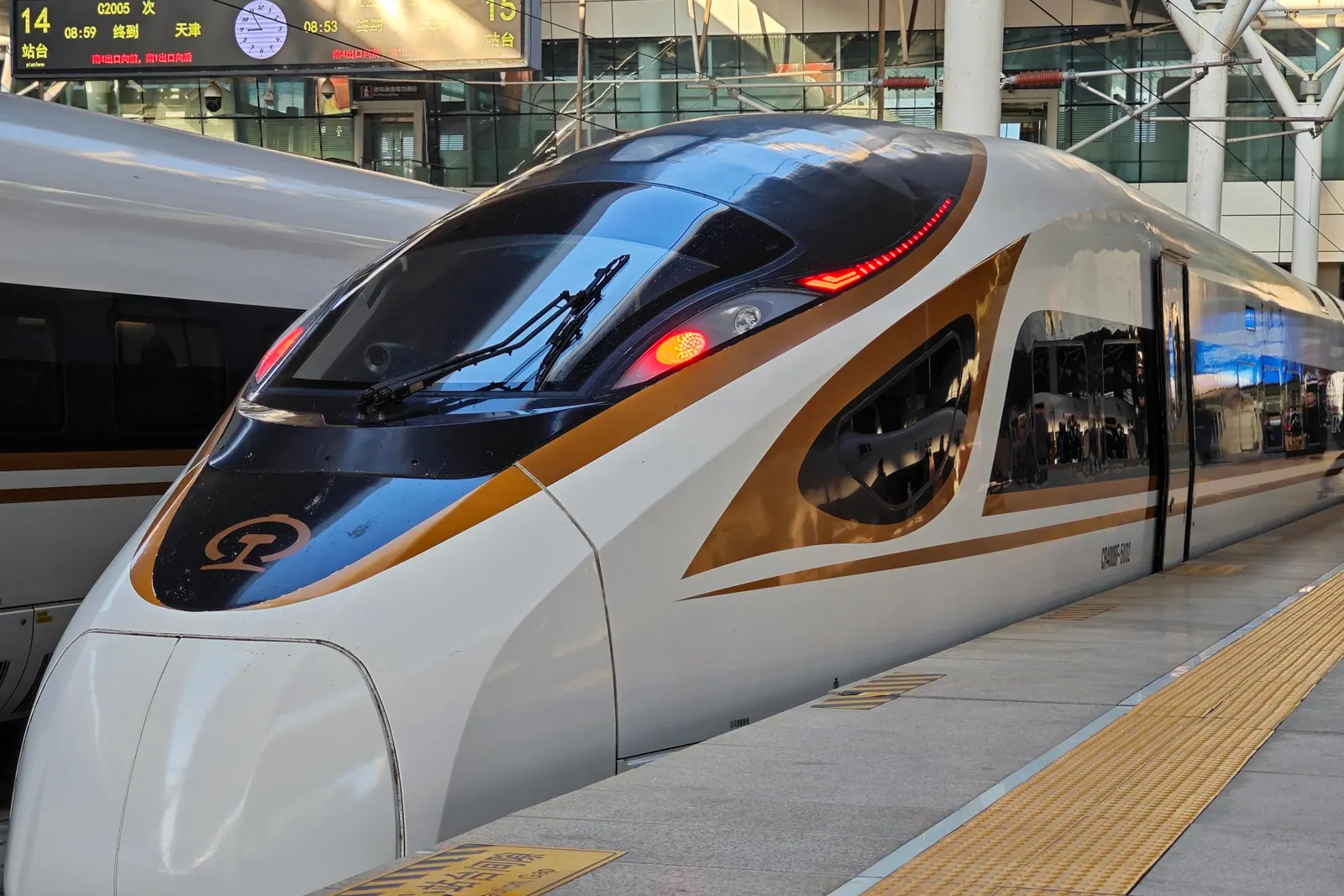
Jiuzhaigou needs a planned connection from Chengdu involving rail, air or a longer road transfer, followed by regional road travel. Zhangjiajie is often connected to Shanghai by domestic flight or included after Chongqing, depending on live schedules. In both cases, the advertised transport time is not the hotel-to-hotel time.
The commercial cost is not only the ticket. Add private station or airport transfers, baggage, an arrival night, appropriate hotel location and enough sightseeing days to justify the journey. A cheaper connection that arrives late or requires another hotel change can have lower total value.
Season And Weather Trade-Offs
Jiuzhaigou's water and forest change through the year, with autumn color attracting particularly strong demand. Colder periods need checks on comfort and operations. Zhangjiajie can be hot and humid in summer, while rain and mist may hide distant views but produce the layered atmosphere many photographers seek.
Do not choose from a single perfect-weather photograph. Ask what the destination still offers in average conditions during your month, how crowds affect movement and whether your itinerary has enough time to respond to changing visibility.
Which Destination Is Better For Families?
Jiuzhaigou often suits families who enjoy nature walks and can manage a full shuttle-based park day. Chengdu adds the immediate appeal of giant pandas and familiar city comforts. Parents still need to plan altitude, layers, meals and toilet breaks.
Zhangjiajie can be thrilling for older children who enjoy cable cars and dramatic viewpoints. It is less comfortable for children who dislike heights, queues or long transfers between park systems. Choose fewer, stronger mountain days rather than turning every lift and bridge into a requirement.
Which Destination Is Better For Photographers And Older Travelers?
Photographers should choose by visual language: reflective water and close seasonal detail in Jiuzhaigou, or vertical layers, fog and vast scale in Zhangjiajie. Both benefit from multiple days because light and weather change. Neither operator nor guide can guarantee a specific condition.
Older travelers should ignore age labels and compare actual ability. Jiuzhaigou may challenge stamina and altitude tolerance; Zhangjiajie may challenge knees, balance and height comfort. A private plan is valuable only when it removes optional effort and states what cannot be removed.
Match The Destination To The Right Private Route
Choose the 7-day Chengdu and Jiuzhaigou private tour when pandas, Sichuan culture and alpine water landscapes are the core. Choose the 8-day Shanghai and Zhangjiajie tour for a focused modern-city and mountain contrast.
Choose the 11-day Chengdu, Chongqing and Zhangjiajie tour when food, pandas, Chongqing's layered cityscape and a broader southwest China story justify the longer route. The right journey is the one where the nature destination feels like a chapter, not an exhausting detour.
Compare The Operating Day, Not Only The Photograph
| Decision | Jiuzhaigou | Zhangjiajie |
|---|---|---|
| Main visual interest | Lakes, waterfalls, forest and water detail | Sandstone pillars, high overlooks and vertical layers |
| Main physical questions | Altitude, sustained walking and standing | Steps, queues, uneven paths and height exposure |
| Transport inside the visit | Park buses and selected walking sections | Different shuttles, lifts, cableways and paths by route |
| Hotel decision | Actual approach to the valley entrance | Wulingyuan base versus city-based outings |
| Separate excursion | Huanglong requires its own decision | Tianmen Mountain and Grand Canyon bridge require separate decisions |
| Poor-weather question | Which water and forest routes remain worthwhile? | Which outlooks and systems remain worthwhile or operating? |
An internal bus or lift can remove one effort while leaving another. Ask about boarding, the distance after the stop, toilet access, places to sit and the route back. If any part is essential to participation, it needs a concrete answer before a deposit.
A Realistic Jiuzhaigou Chapter From Chengdu
The linked seven-day product uses three Chengdu nights and three Jiuzhaigou-area nights. Days 1–3 establish the city, pandas and food. Day 4 is the mountain connection, Day 5 the Jiuzhaigou park day, and Day 6 a gentler local day or separately confirmed Huanglong. Day 7 uses the confirmed mountain-area departure gateway; it does not automatically include a return to Chengdu.
This distinction affects flights and price comparisons. If you need to fly internationally from Chengdu afterwards, the return connection and any necessary hotel night must be designed explicitly. Do not attach a same-day international departure to a mountain-area checkout without evaluating the entire transfer and carrier conditions.
Read the Chengdu–Jiuzhaigou transport guide before treating a railway booking as arrival at the park. The onward road journey, actual station, vehicle, luggage and hotel approach remain part of the day.
Build Zhangjiajie As A Different Chapter
For the pillar landscape, choose a Wulingyuan-oriented base and two carefully edited Forest Park days if the dates, admissions and stamina support that pattern. Identify which routes need the Bailong Elevator or a cableway, then ask about steps and queues beyond them. A lift name is a transport component rather than proof that the whole day is easy.
Tianmen Mountain is a separate city-side outing. The Grand Canyon glass bridge is another visitor system. If either is essential, add the time and admissions openly or remove a Forest Park commitment. Do not write three systems into a two-day visit and describe the result as a relaxed mountain break.
A hotel near one entrance can simplify a selected day while lengthening another. Choose the property after the route and departure gateway are known, and distinguish pedestrian distance on a map from the actual permitted entrance and pickup arrangements.
Plan For Altitude And Access Honestly
The official Jiuzhai Valley portal describes a park-wide elevation range from roughly 1,990 to 4,764 metres. That upper figure includes the broader protected landscape; it is not the elevation of every visitor stop. Ask about the actual hotel, gateway and day route instead of applying one number to the entire journey.
Use the Jiuzhaigou altitude and access guide when health, stamina or cold exposure matters. Travelers with relevant concerns should seek qualified clinical advice before booking. A lower walking load does not remove altitude exposure, and a planned gradual transfer does not guarantee an individual response.
For Zhangjiajie, the walking and stairs assessment is the better starting question. Describe whether the concern is knees, balance, sustained standing, boarding or fear of heights. Those limitations may lead to different routes rather than one universal easier option.
Use The Season As A Decision With Consequences
Autumn interest in Jiuzhaigou can increase booking pressure, but color timing varies. Winter may create a different water and forest scene alongside colder conditions and operational changes. Check the actual month, clothing, permitted routes and hotel comfort rather than assuming one photograph describes the whole season.
In Zhangjiajie, cloud can create useful foreground layers while removing a distant panorama. A photographer may accept that trade-off; a traveler making the journey for one clear overlook may not. Discuss the disappointing-weather version of the day before purchasing several similar high viewpoints.
Ask how the operator handles a closure, unused admission or substituted outing. Flexibility should identify what can move, who confirms the change and how costs are treated. Another overnight does not automatically authorize another park entry.
Return to the travel journal for the wider planning library. If Chengdu, pandas and alpine water are the stronger match, compare the seven-day Chengdu and Jiuzhaigou route and request a proposal that shows the mountain gateway, Day 6 choice and departure arrangements.